October 8, 2026
| View this email in your browser | ||
|
|
SUPPORT US | |
|
October 8, 2026
|
||
|
Why ICE operations increasingly resemble Israeli occupation |
||
|
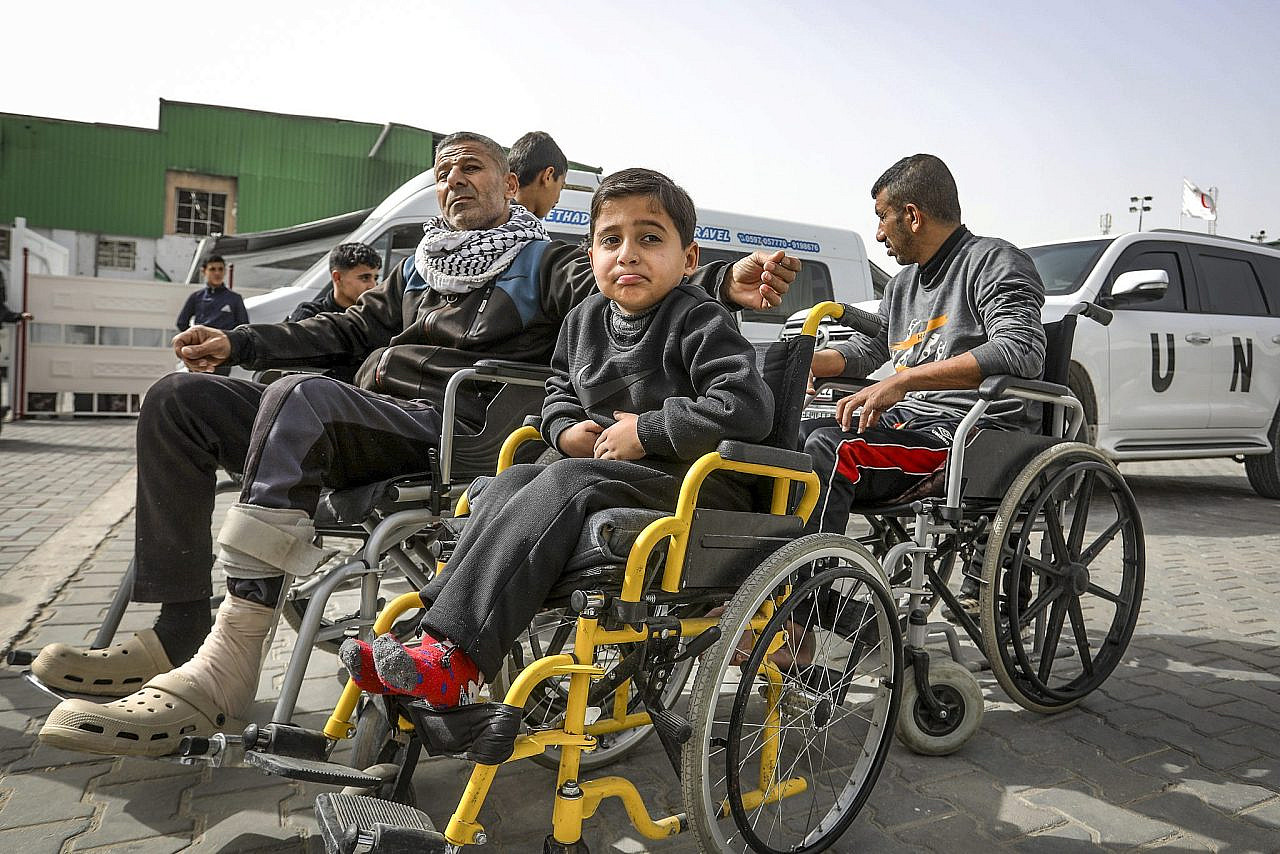
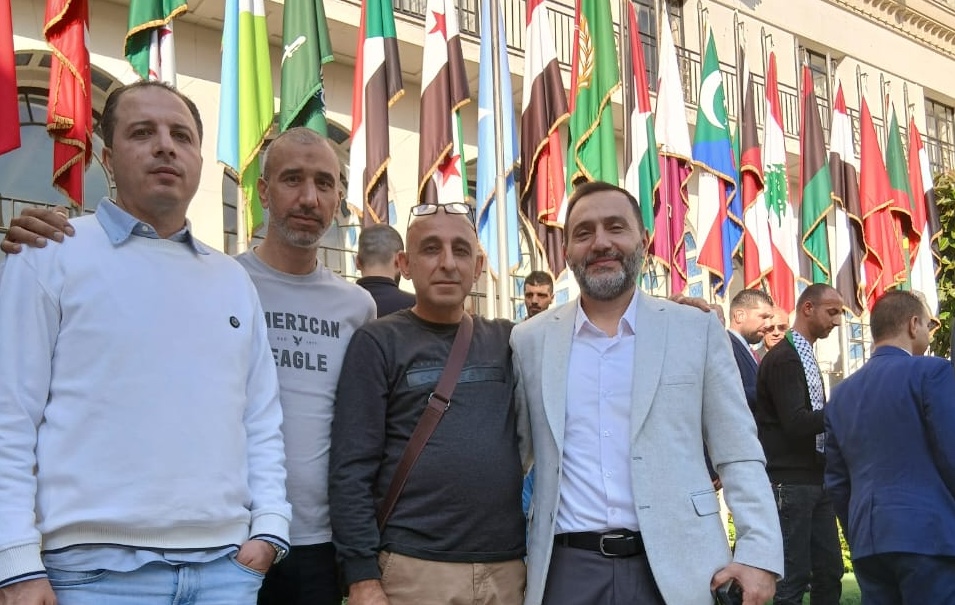
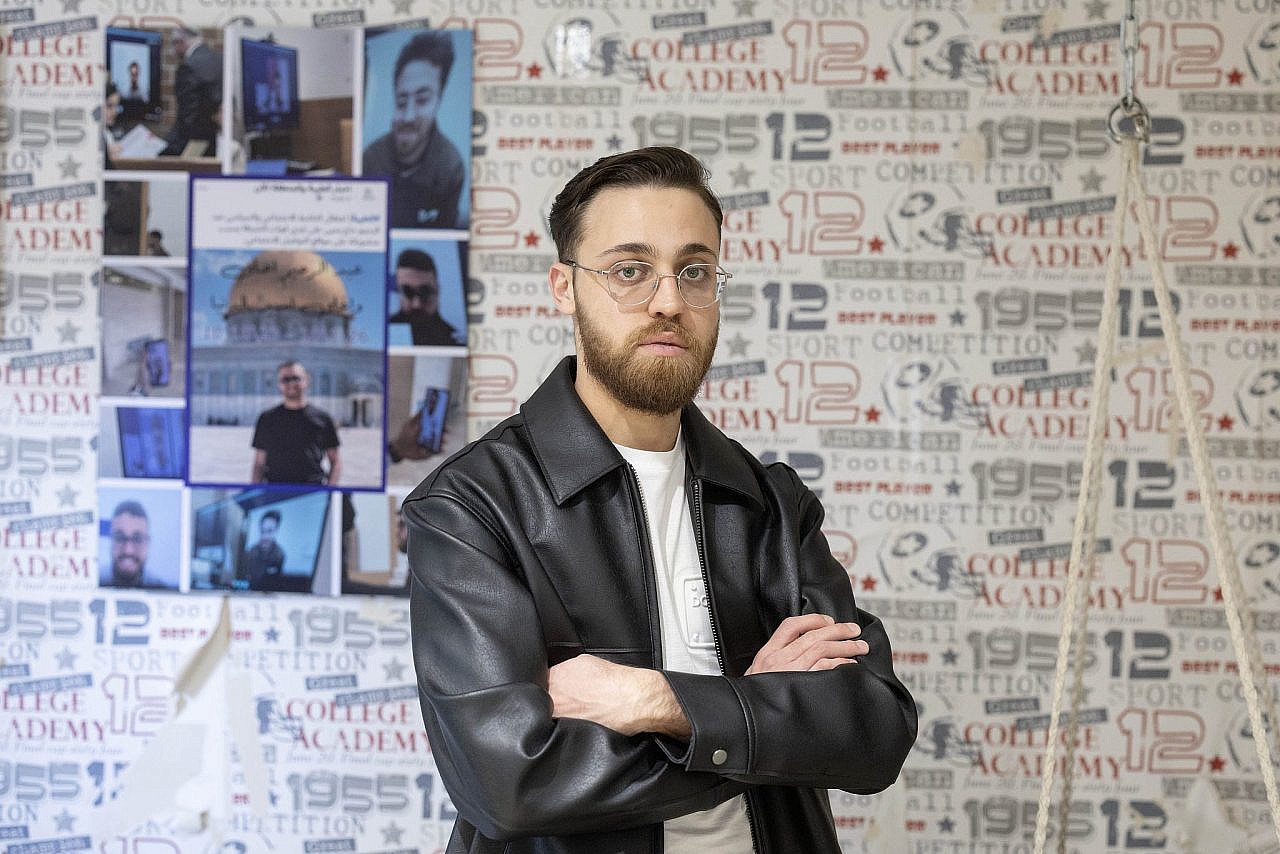
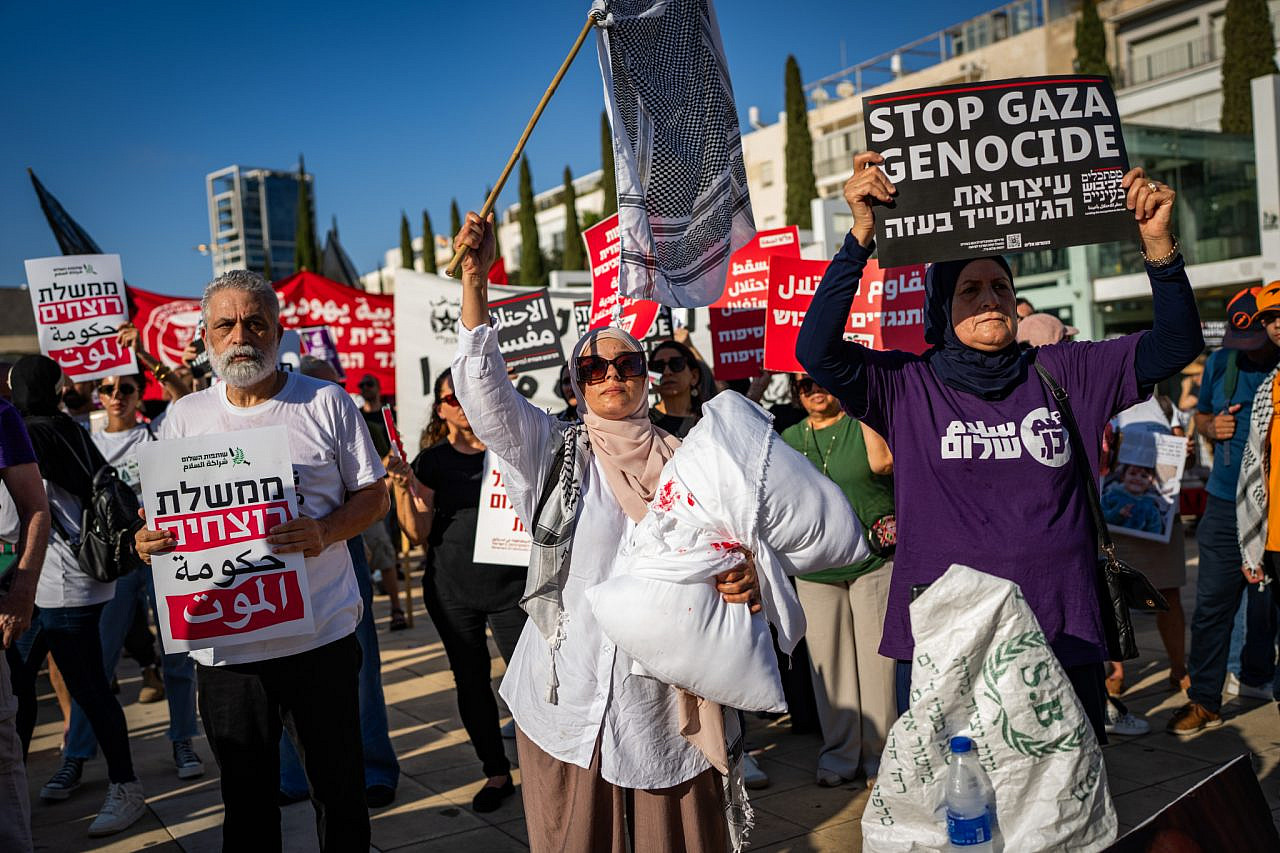
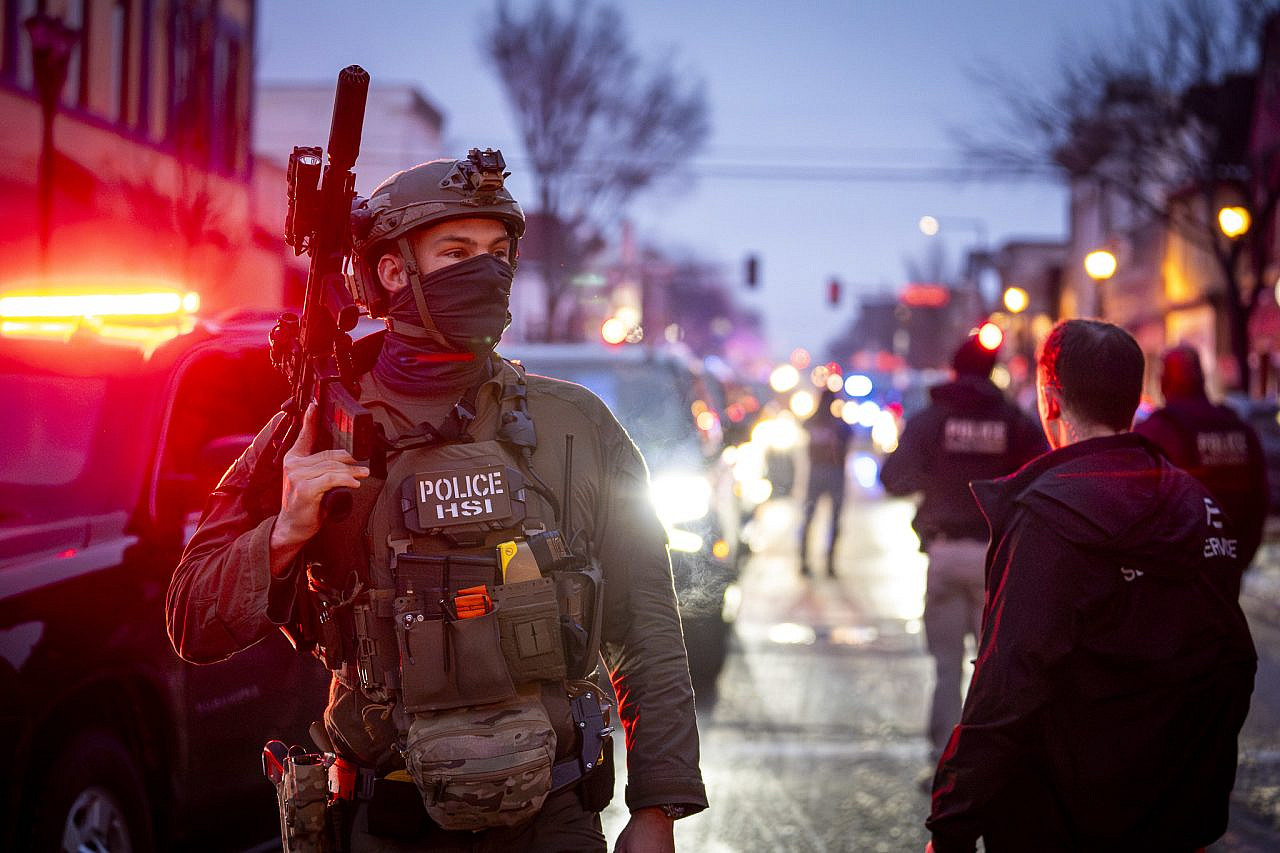
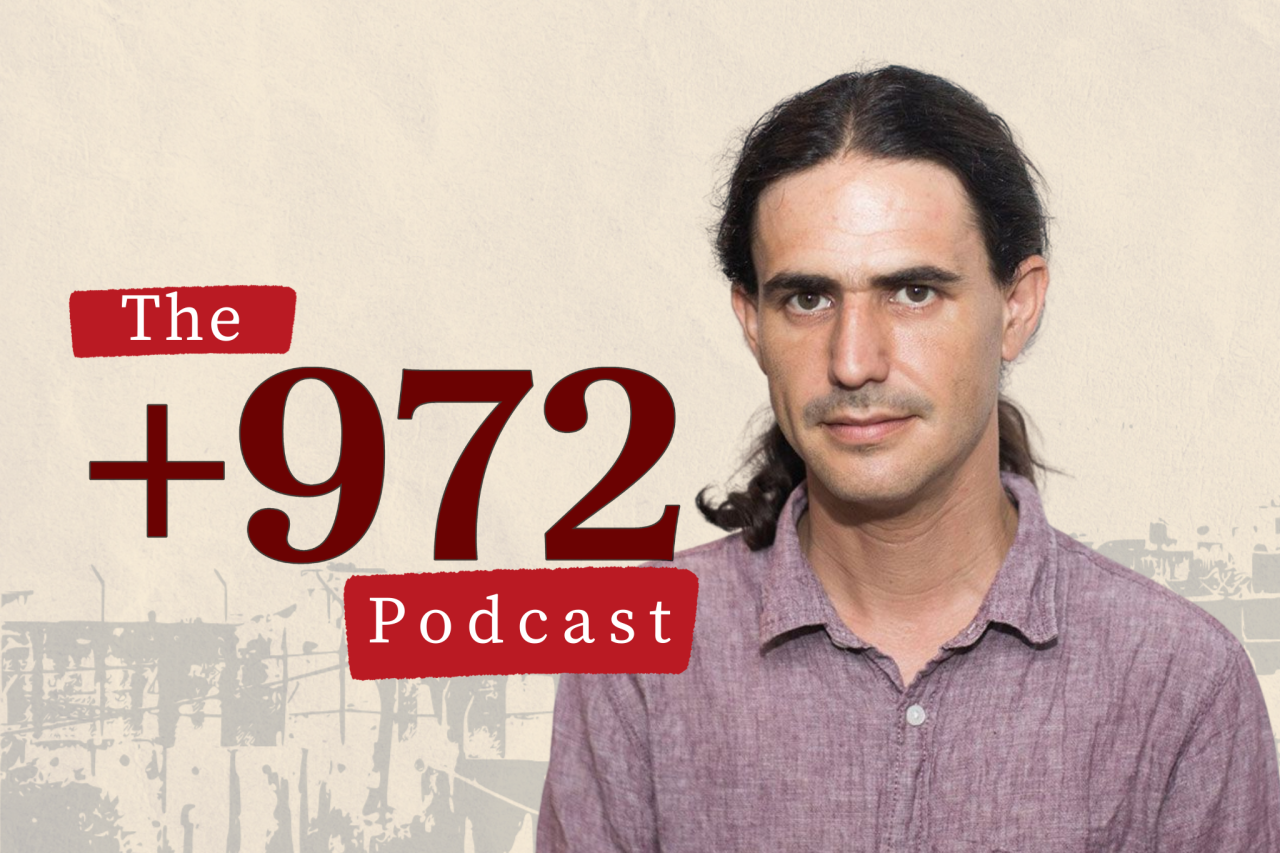
Welcome to +972’s Sunday Recap! At the beginning of the month, the Rafah Crossing in southern Gaza finally reopened — yet Israel is severely restricting the numbers of Palestinians allowed to cross in each direction. Ruwaida Amer reported on the struggle to enter and leave Gaza, with returnees facing intimidation by Israeli soldiers and the Abu Shabab gang as well as the confiscation of their belongings. Shimaa Elyoussef interviewed several of the 150 Palestinian prisoners who, after spending decades behind bars, were deported to Egypt as part of the Gaza ceasefire deal. In exile, they described how they navigate freedom on Israel’s terms, facing a reality of “permanent alienation.” Abdel Rahim Haj Yahya, a Palestinian influencer and Israeli citizen, was convicted of incitement to terror soon after October 7 for social media posts — and spent 27 months in Israeli prison. He spoke to Local Call reporters Baker Zoubi and Oren Ziv about why he is convinced that he was targeted due to his large following (originally published on Local Call). Among Palestinian and left-wing Jewish citizens of Israel, a renewed debate is raging ahead of the election as to whether a binational party would help or hinder the struggle for equal rights. For Basheer Karkabi, the limitations of existing Arab parties means that an entirely new political model of Jewish-Arab political partnership is required to bring about real change and confront Israeli fascism (originally published on Local Call). Meanwhile, Areej Sabbagh-Khoury argued that under conditions of apartheid, binationalism requires Israeli Jews to relinquish leadership and join the Palestinian-led struggle for decolonization (originally published on Local Call). Sophia Goodfriend wrote about why it’s no coincidence that ICE operations increasingly resemble Israeli occupation: U.S. immigration enforcement has long cultivated ties with Israel, and now it adapts algorithmic surveillance tactics from Gaza for use on American streets. And on the latest episode of the +972 Podcast, Jennifer Cutler spoke to Local Call reporter and longtime +972 contributor Oren Ziv, who reflected on his two decades of reporting on Israeli settler violence and Palestinian displacement and resistance in the West Bank, and what Israeli and international solidarity can achieve today. |

|


|
|
| PHOTOS, IN ORDER OF APPEARANCE: | ||
|
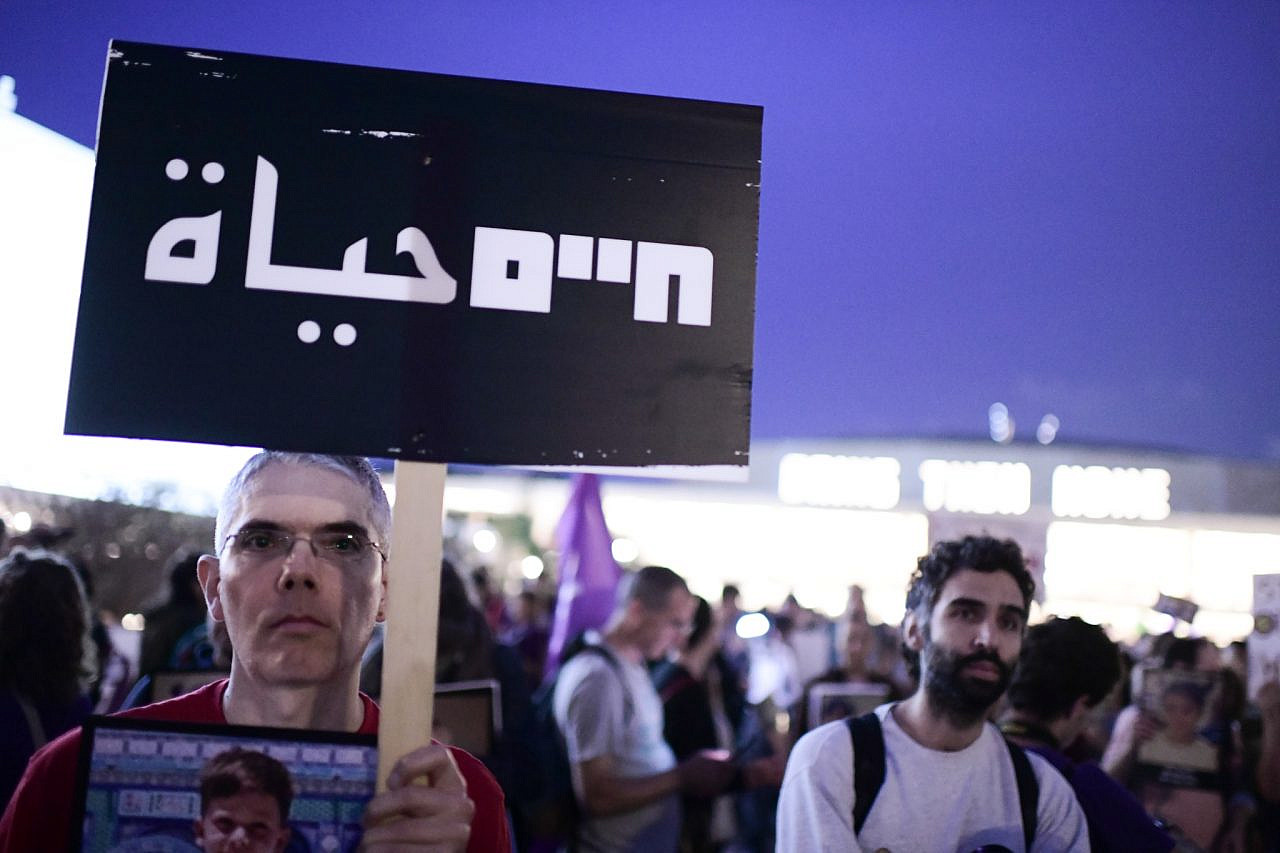
Palestinian patients wait in the grounds of the Red Crescent Hospital to be evacuated from the Gaza Strip via the Rafah Crossing with Egypt for medical treatment abroad, Khan Younis, southern Gaza Strip, February 2, 2026 (Abed Rahim Khatib/Flash90), Freed Palestinian prisoners exiled to Egypt stand in front of the Arab League Headquarters in Cairo, Egypt, December 2025. From left to right: Raed Abdul Jalil, Rami Nour, Kamil Abu Hanish, Ammar Al-Zaben (Courtesy), Abdel Rahim Haj Yahya in his home in Tayibe after his release from prison, where he spent 27 months for social media posts (Oren Ziv), Activists protest in Tel Aviv demanding an end to the war in Gaza, August 23, 2025 (Erik Marmor/Flash90), A man holds a sign that reads “Life” in both Hebrew and Arabic, during a protest against the war in Gaza, in Tel Aviv, April 24, 2025 (Tomer Neuberg/Flash90), An officer from Homeland Security Investigations (HSI), one of the primary arms of U.S. Immigration and Customs Enforcement (ICE), seen during an operation in Minneapolis, January 6, 2026 (Tia Dufour/U.S. Department of Homeland Security Photo). Local Call is co-published by Just Vision & 972 – Advancement of Citizen Journalism, the latter of which is also the publisher of +972 Magazine. |
||
| About | Privacy Policy | Unsubscribe | ||
| +972 Magazine is an independent, non-profit media initiative, supported largely by our readers. | ||
| © 2026 +972 Magazine. All Rights Reserved. | ||