October 6, 2026
| View this email in your browser | ||
|
|
SUPPORT US | |
|
October 6, 2026
|
||
|
What an Israeli settler pogrom feels like |
||
|
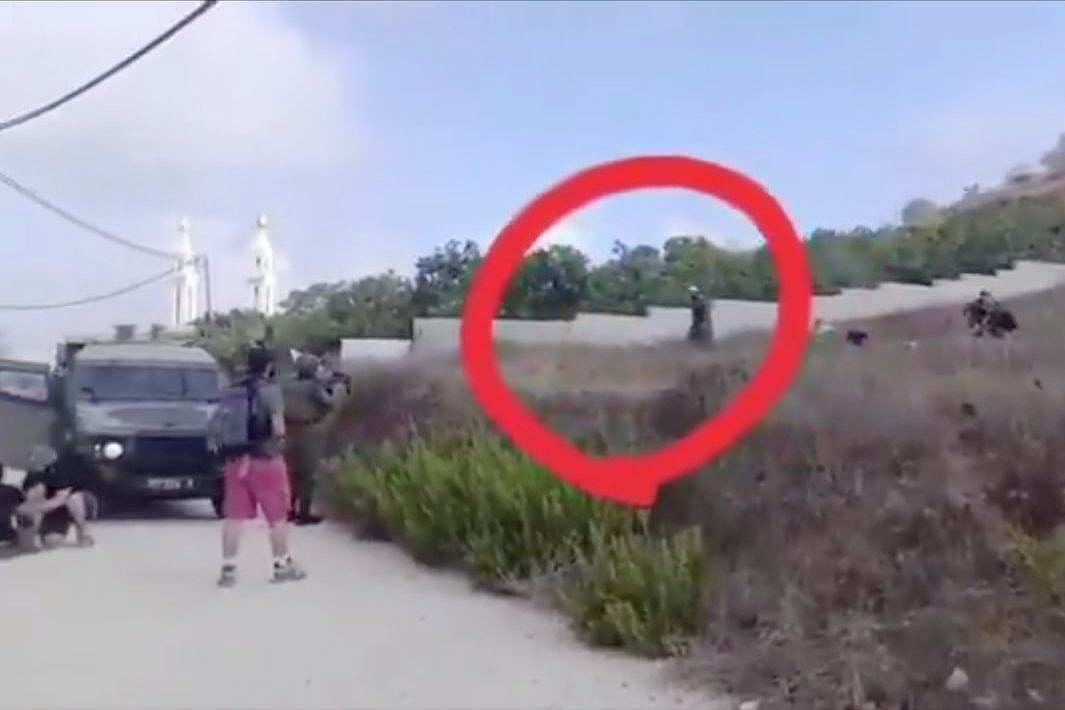
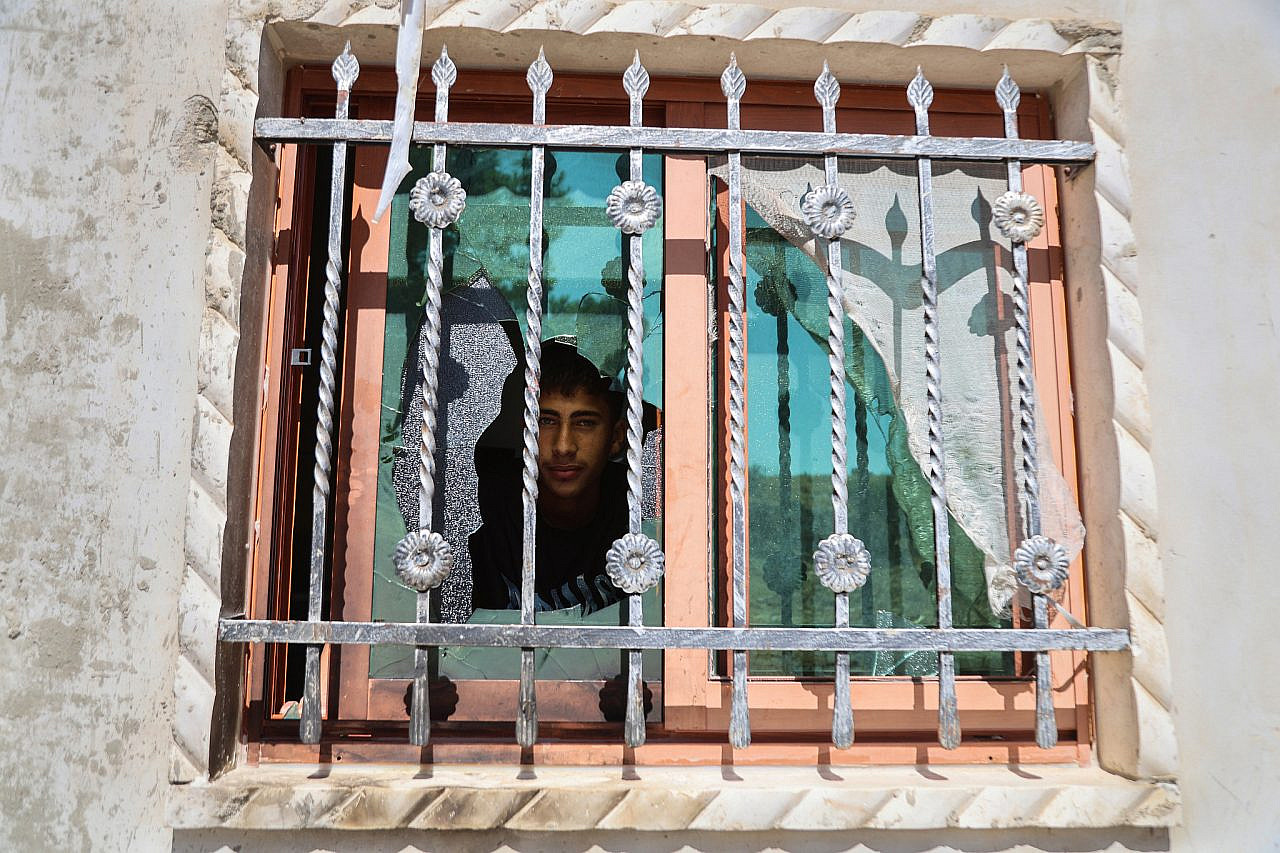
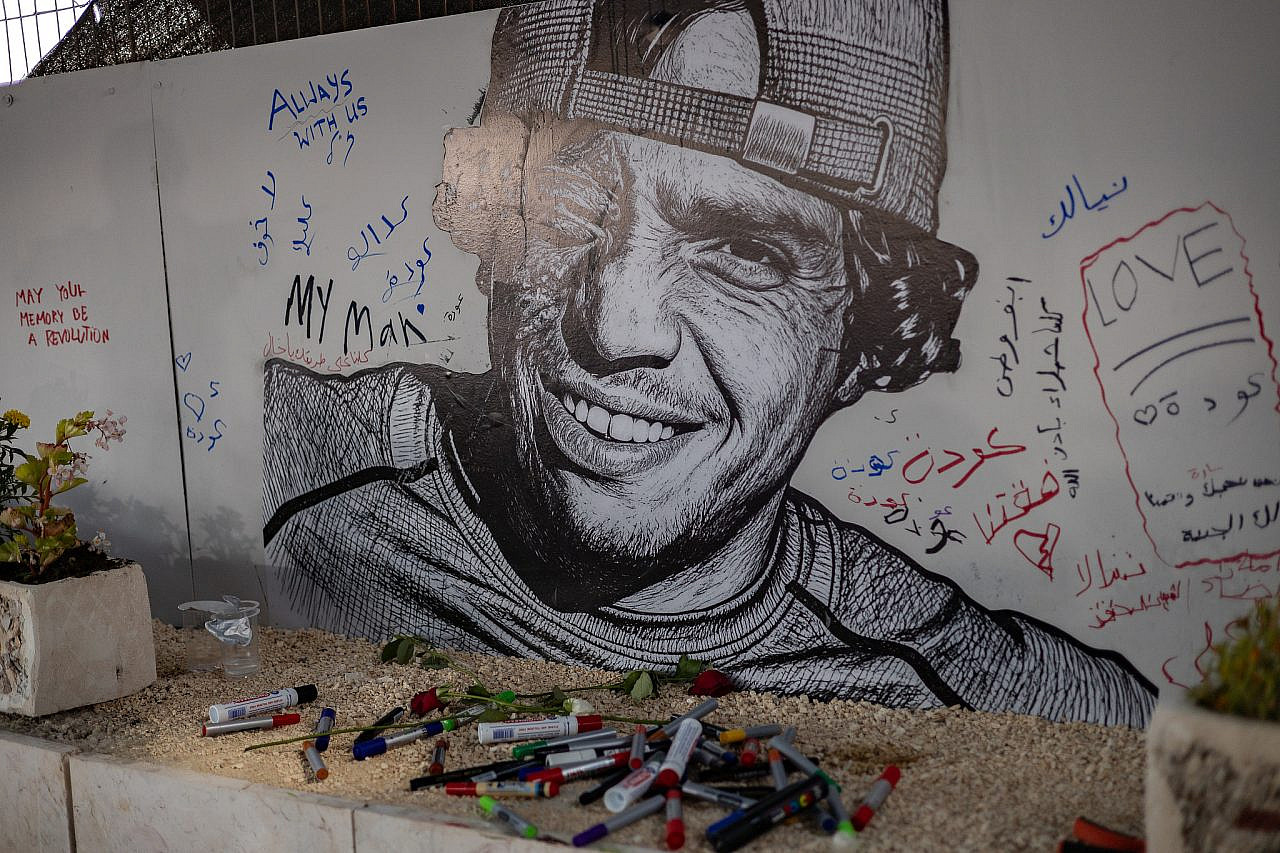
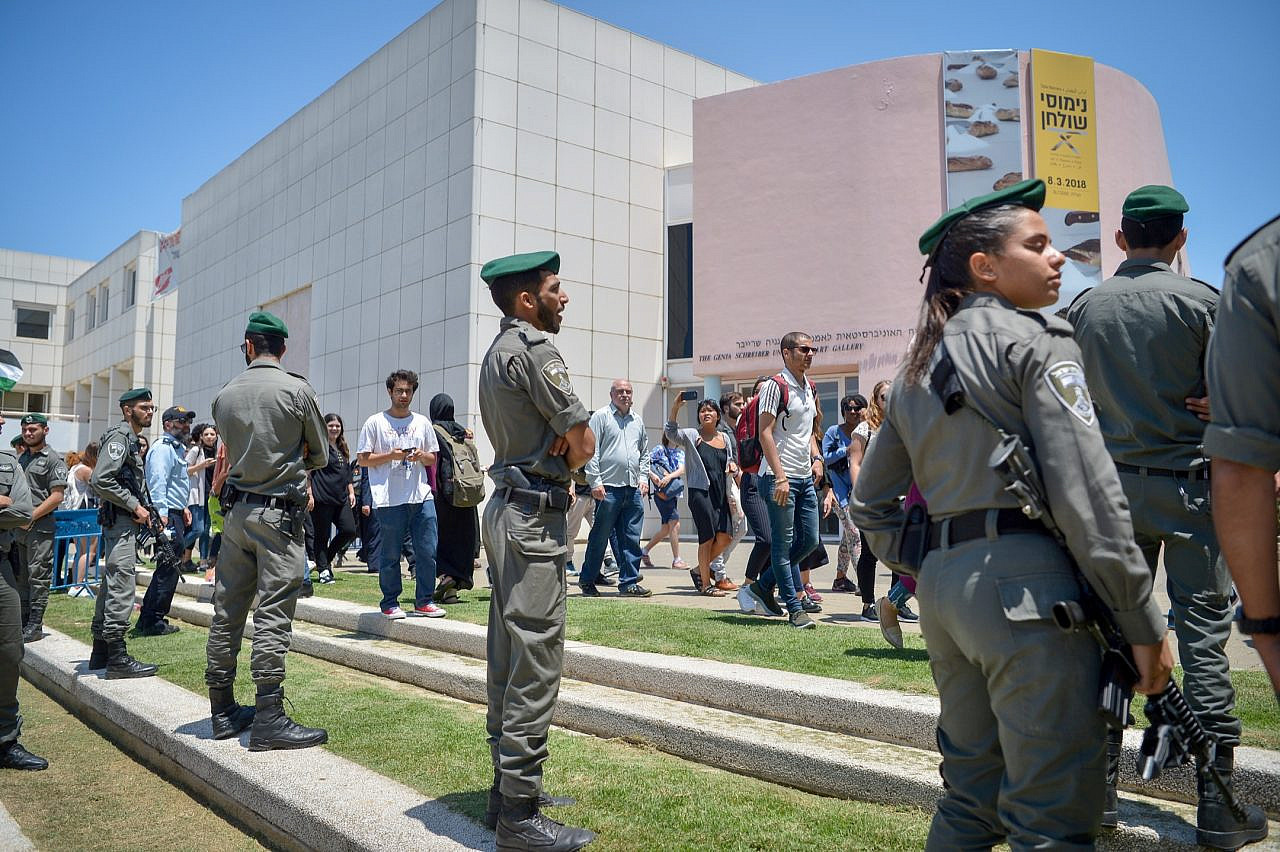
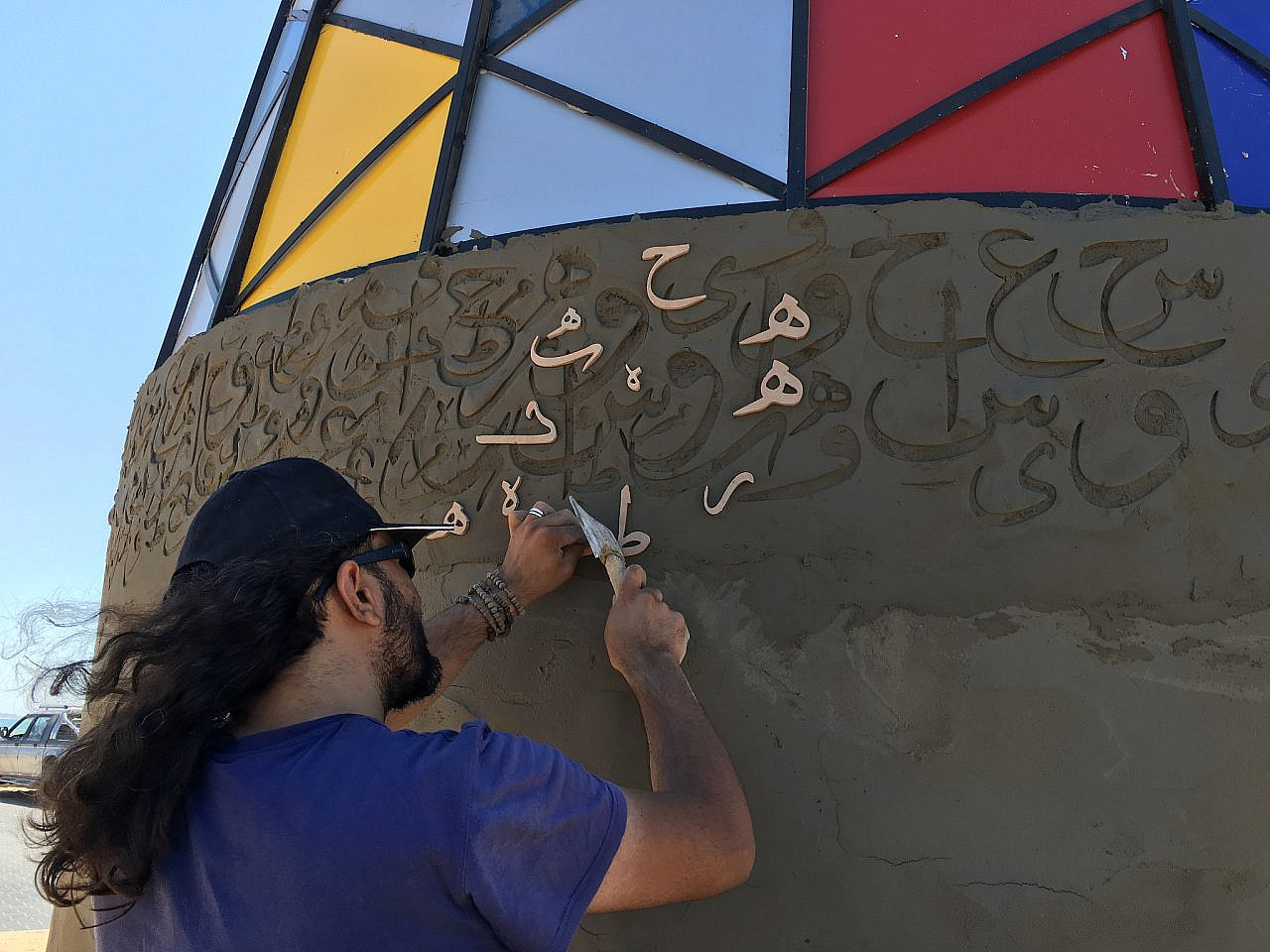
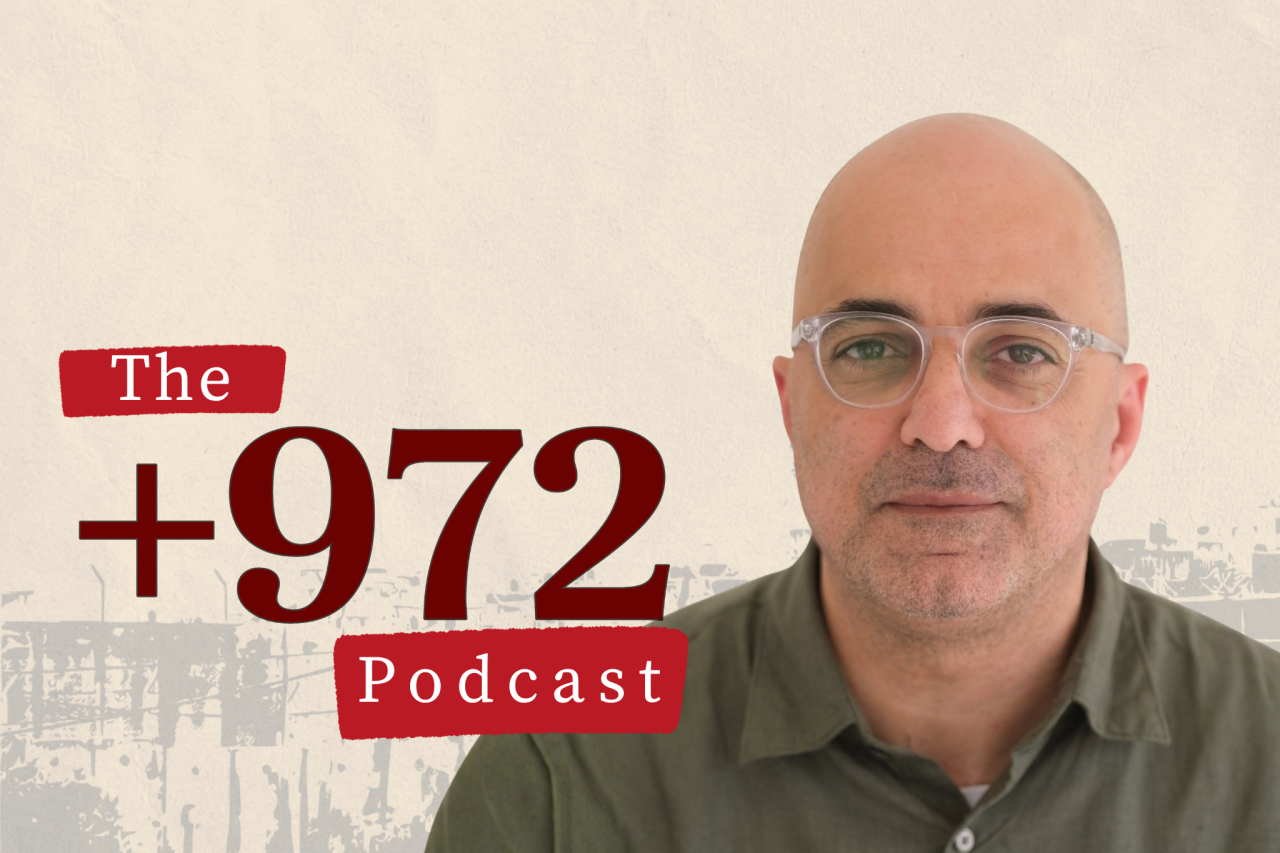
Welcome to +972’s Sunday Recap! On July 24, armed Israeli settlers entered a Palestinian village in the West Bank, triggering a deadly scuffle. The Israeli army quickly labeled it a “terror attack” and said it had “neutralized” the alleged attacker. But as a video investigation by Local Call’s Oren Ziv with Ariel Caine revealed, the Palestinian who managed to disarm a settler was later executed while unarmed — likely by another settler. As Israeli settler pogroms continue to sweep the West Bank with impunity, Mohammad Hesham Huraini detailed what it feels like to be inside one. He described finding himself completely helpless: His car was engulfed in flames, but all that mattered to him was his family’s survival. The village of Umm Al-Khair in the southern West Bank is facing both violent settler expansion and the looming threat of demolition by Israeli authorities. A year after the killing of community leader and +972 contributor Awdah Hathaleen, Basel Adra wrote about how the entire village is now fighting for its own survival. From Shin Bet recruitment drives to military training programs, Israel’s defense establishment is becoming increasingly embedded in academic life. Meron Rapoport and Aharon Porath drew on a recent controversial graduation speech to examine how Tel Aviv University serves Israel’s security state (originally published on Local Call). A new book documents ongoing efforts to preserve Gaza’s millennia-old cultural heritage amid the genocide. Samah Salaime spoke to the editors and some of the featured artists, who explained how archiving serves as a form of resistance: refusing to surrender to the enclave’s destruction while laying foundations for its future (originally published on Local Call). And in the latest episode of The +972 Podcast, Alaa Salama spoke to Nadim Nashif, executive director of the Palestinian digital rights group 7amleh, whose latest report investigated more than 3,500 cases of Meta suppressing content relating to Palestine. The findings prove beyond any doubt that Palestinians are being systematically censored on some of the world’s most popular social media platforms. *** We are in an extraordinarily dangerous era in Israel-Palestine, one defined by genocide, apartheid, and Jewish supremacy from the river to the sea. It has never been more vital for our journalists, led by Palestinians and Israelis, to report on and analyze what is happening on the ground and beyond, guided by humanism, equality, and justice. +972 Magazine is proof that an alternative is possible — and we need your support to increase our impact. Join us.  |

|


|
|
| PHOTOS, IN ORDER OF APPEARANCE: | ||
|
A screenshot from a video showing Farouk Ramadan (circled) walking unarmed toward Israeli soldiers before he is shot dead, in the village of Tel, occupied West Bank, July 24, 2026 (Used in accordance with Section 27A of Israel’s Copyright Law), A young Palestinian man looks through the broken window of his house after an attack by Israeli settlers the previous night in the village of At-Tuwani, Masafer Yatta, southern occupied West Bank, July 19, 2026 (Mosab Shawer/Activestills), A mural of Awdah Hathaleen in the Umm Al-Khair community center with added writings by friends and family (Omri Eran Vardi), Israeli officers stand by as Palestinian and Jewish activists take part in a rally marking Nakba Day, outside Tel Aviv University, May 14, 2018 (Yossi Zeliger/Flash90), The creation of Shareef Sarhan’s Minarat Gaza, seen in Gaza City’s port, 2016 (Courtesy), Nadim Nashif (Courtesy). Local Call is co-published by Just Vision & 972 – Advancement of Citizen Journalism, the latter of which is also the publisher of +972 Magazine. |
||
| About | Privacy Policy | Unsubscribe | ||
| +972 Magazine is an independent, non-profit media initiative, supported largely by our readers. | ||
| © 2026 +972 Magazine. All Rights Reserved. | ||