
In partnership with

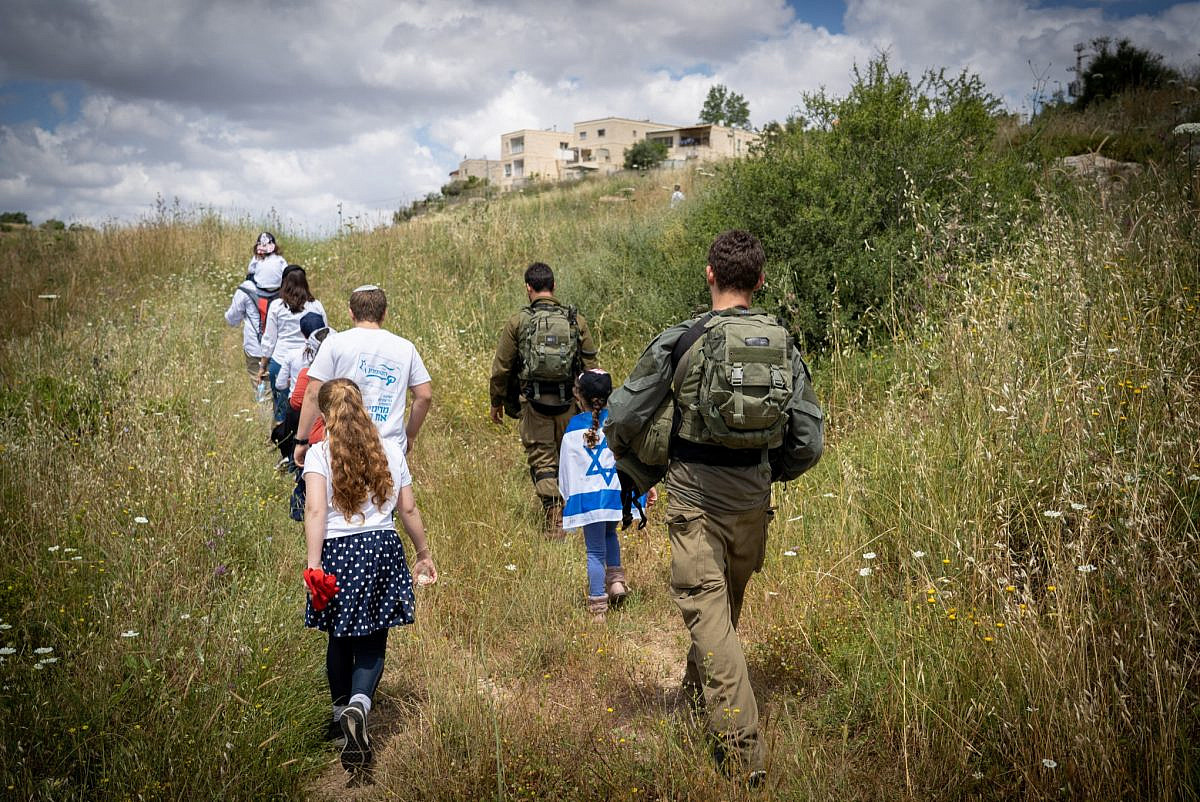
Another settler “hiking trip,” another Palestinian dead. Less than a month after the deadly clashes outside the Palestinian village of Tel in which two Israelis and four Palestinians were killed, settlers embarked on a similar unauthorized hike last Friday — this time near the village Sa’ir, north of Hebron in the occupied West Bank.
According to Palestinian accounts, local residents came out to defend their homes upon seeing the settlers enter the area. The Israeli military said Palestinians threw stones at the group, after which the civilian security coordinator of the nearby settlement of Metzad was called to the scene. He opened fire, killing 17-year-old Karim Sanad Shalaldeh and seriously wounding another Palestinian.
The incident closely echoed what had happened on July 24 on the outskirts of the village of Tel, west of Nablus. There, too, a “hiking trip” by Israeli settlers through the outskirts of a Palestinian village ended with Palestinian residents being shot dead by armed Israelis, while an Israeli settler and a soldier were also killed.
A few days before that deadly incident, an invitation to a hiking trip in the “Havat Gilad area” — the name of the Israeli settlement closest to Tel — was posted on the Telegram channel of the “David and Ahikam Hikers” group.
“For You, O Lord, have kindled it with fire, and with fire You will rebuild it,” read the heading of the post, screenshots of which were shared on X by Kan reporter Haim Goldich. The hikers were instructed to meet at 4:45 a.m. at the settlement of Mitzpe Yishai, pray Shacharit (the Jewish morning prayer) at the entrance to the settlement of Har Bracha, and set out at 5:30 a.m. on a route more than 15 kilometers long.
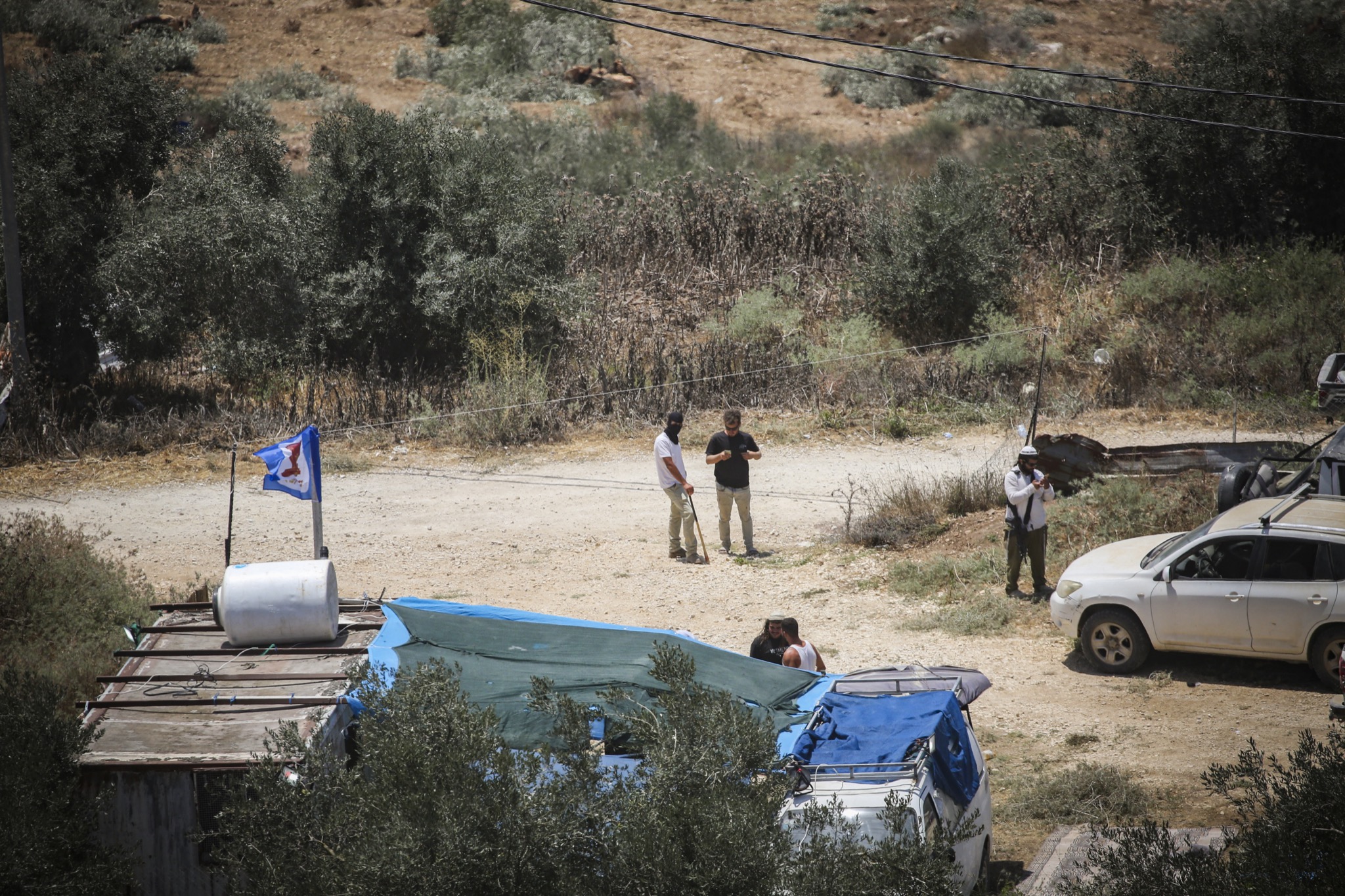
A few hours after the hike began, the trail became a bloodbath. But it was not the first time settlers had walked this route. To understand the circumstances of that fateful “hiking trip,” we must go back more than a decade.
In September 2013, a summary of a hike that followed an almost identical route — from the Har Bracha settlement to Havat Gilad — was posted in a Hebrew-language Google group titled “Hiking Buddies.” “Near the wooden cabin of the ‘Bracha Al HaHar’ restaurant,” the summary read, “101 hikers gathered, along with a team of soldiers from the Shaked Battalion who had come to escort them.”
The text indicates that the trip organizers were well aware that the route passed through agricultural areas used by the local Palestinian population: “The narrow valleys along the way were planted with fig orchards bursting with fruit,” it read. “Here and there we saw Arab women and their children picking figs.”
Four years later, another invitation for a hike along an identical route was posted in the same forum. This time it was a night hike led by a member of “David and Ahikam Hikers.”
Although this trip, too, was conducted under military escort, the organizers invited participants to arrive armed. “We would appreciate any weapons brought on the trip, especially long guns,” the invitation stated, adding: “Participants cannot leave the hike once it begins.”
‘Where no Jewish foot has trodden’
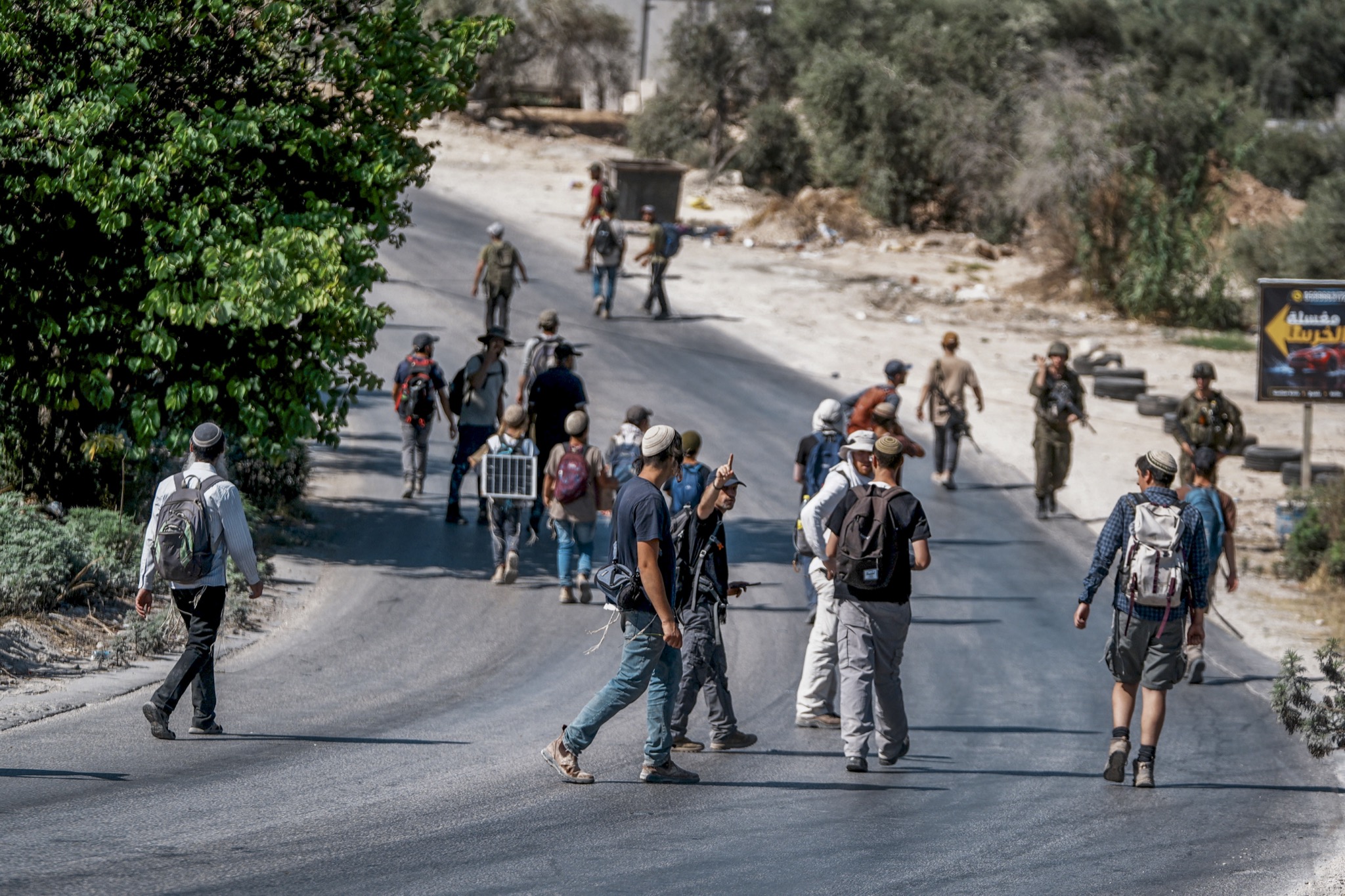
These organized hikes from Har Bracha to Havat Gilad — including the one that ended last month with the deaths of six people — are part of a broad network of groups, guides, seminaries, and tour centers that have been operating in the West Bank for years. In recent years, this network has been expanding with government support, including through the marking of the “Kedem Trail” and the “Trans-Judea and Samaria” trails.
Three of the most prominent organizations in the network are “Hiking Buddies,” “David and Ahikam Hikers,” and “Hargavim.” These groups promote hiking tours in the West Bank as a means of deliberately and openly blurring the distinctions between Areas A, B, and C, and between open areas and privately owned Palestinian land.
“David and Ahikam Hikers,” which organized last month’s hike, was established in memory of David Rubin and Ahikam Amihai, two off-duty soldiers who were shot dead by Palestinians while hiking in Nahal Telem (Wadi Al-Quff, near Tarqumiyah) in 2007. In an interview published on the far-right news site HaKol HaYehudi in 2017 under the headline “Conquer the Land on Foot,” the group’s goal was defined as follows: “Wherever the hiker’s foot treads, there the border will pass.”
Through these hiking trips, the organizers seek to expand Jewish presence in the West Bank beyond the boundaries of the settlements themselves. “Most settlers are familiar with the fences and roads,” explained the group’s founder, David Sayyed, in the same interview. “But the space itself can be seen beyond the mountains of darkness, and for David and Ahikam it was simple — we live here, this is ours, and we need to get to know it.”
According to Sayyed, the trips are intended not only to change civilians’ travel habits but also to force a change in the way the army operates. “Our approach was to coordinate and notify the army to make it easier for them to provide security,” he said, “but under no circumstances do we ask for permission.” According to him, as a result of these activities, “the army understands that it needs to secure certain areas, and families can get there on their own.”
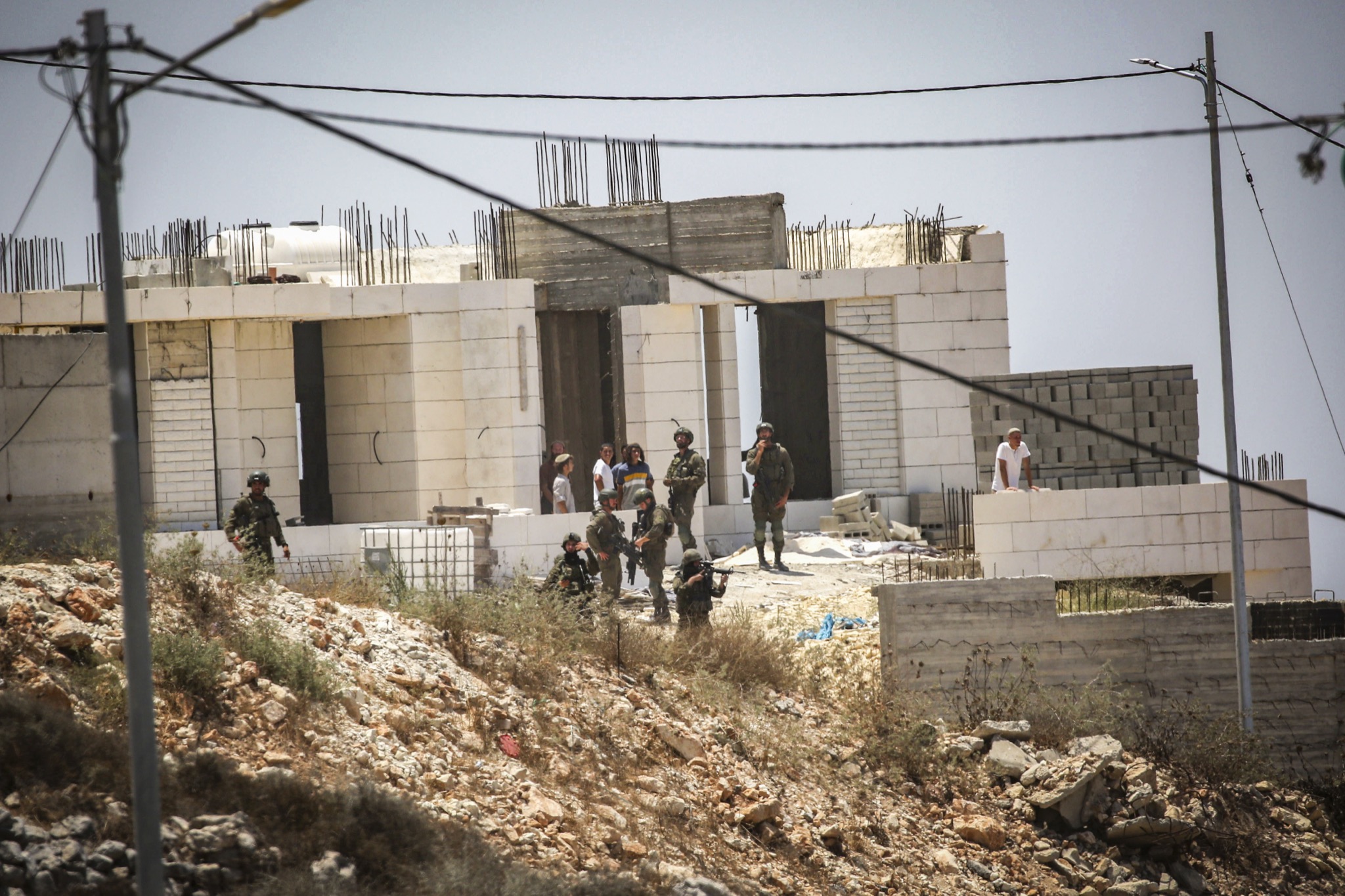
In another interview with the same outlet two years earlier, Sayyed explained that “through the trips, people begin to understand that the Land of Israel does not end with settlements and traveling on the roads, but rather it includes all the mountains and territories, even those we don’t pass through every day.”
The hikes, he said, “go to places where no Jewish foot has trodden for many, many years, if ever.” In this way, the groups carry on the classic Zionist ethos of “knowing the land” and the practice of “conquering the land on foot.”
The group “Hiking Buddies” — the largest of the three — operates similarly. Its participants come primarily from the national-religious community; a video documenting a trip that took place in October 2024 shows mostly men, though there are also women and children present.
Founded by Amit Ararat and Amit Horn, the group brings together guides, researchers, religious schools, and families. It organizes and publicizes trips throughout Israel, as well as routes in the West Bank, including those requiring armed security and military coordination. Thus, in addition to blurring the political distinctions between different areas, the group also works to blur the distinction between the Green Line and what lies beyond it.
“Hargavim” is a smaller group — which enables it to reach deep into Palestinian territory, thereby paving the way for more established groups.
In a profile of the group published in April of this year on the news site Olam Katan, its vision was defined as “returning Jewish feet to every clod of earth in the Land of Israel.” One of its prominent members, Ofer Klarman explained that they seek “more remote places — further from Jewish communities, further from Jewish roads.”

For example, Klarman said of one of the routes: “It actually crosses a very, very large area that is entirely Area A, and Jews don’t really go there; it’s considered relatively dangerous.”
As for the army, Klarman described an approach similar to that of “David and Ahikam Hikers”: “We don’t ask for permits for the hike; we mainly notify them so we don’t put the sector on alert.”
When the route passes on the outskirts of Palestinian villages, another member explained, the group begins the hike “half an hour before sunrise,” sometimes while it’s still dark. A third member added: “We try very hard not to be seen … By the time [the Palestinians] realize it, we’re already gone.”
Some of the villages the hikes come in close proximity to have experienced severe settler attacks for years, such as Burin and Jit.
It’s not just settlers from the area who participate in these hikes: Families from central Israel and other parts of the West Bank also join them. But as the deadly incident in Tel showed, the distinction between a hiker from Jerusalem who has come to “expand Jewish presence,” and a settler who has come to “initiate friction,” matters little in practice.
Once a hike in underway, there is virtually no way for Palestinians in its path to distinguish between a regular soldier, a reservist, a member of a settlement’s security force, and a member of a rapid-response team who comes with the intention of using lethal force against anyone he identifies as a threat — often exceeding his authority, which applies only within the jurisdiction of the settlements.
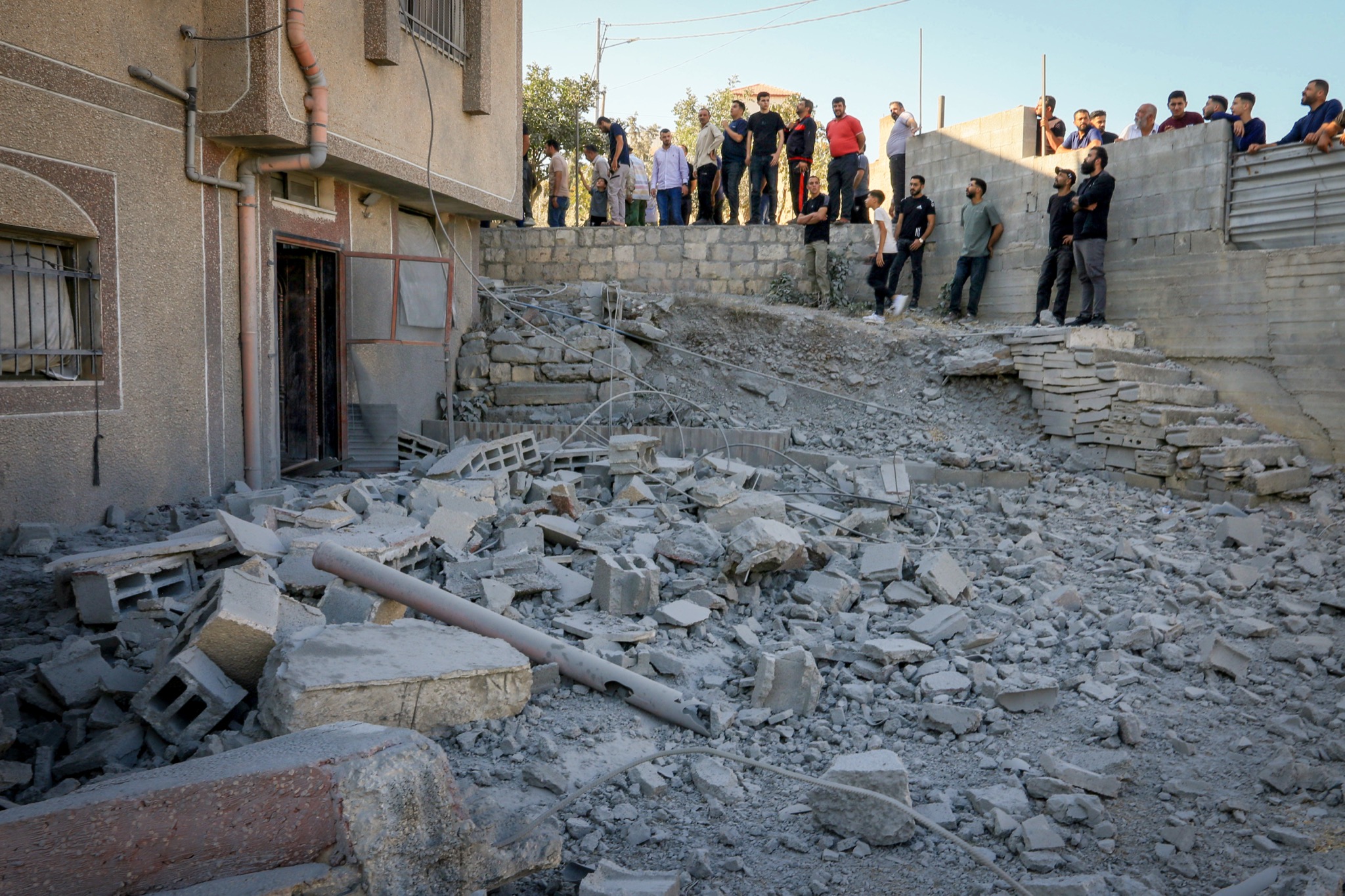
In the incident at Tel last month, these categories converged within hours. When Palestinian residents tried to repel the hikers from the village, some soldiers tried to intervene, while others immediately chose to act violently against the Palestinian residents; and members of the settlement security forces who were summoned to the scene, along with the soldiers, used lethal force.
A Palestinian resident managed to disarm one of the armed Israelis and fired several shots with the weapon. It is not yet clear if any of these shots were those that killed the two Israelis, one of whom was said to have been killed by friendly fire. The framing in much of the Israeli media was nevertheless unequivocal, and devoid of all context: This was a “terrorist attack.”
‘Bring long guns’
One of the tools for preserving and disseminating information about the West Bank hiking trails is Amud Anan, a collaborative platform used by tour guides and hikers across the country. The site is based on a wiki system, which allows anyone to add entries and edit existing ones. Benayahu Mellet, a member of the emergency response team who was killed in the incident near Tel, authored several of these entries.
Users of the platform mark springs, ruins, tombs and sacred sites, cisterns, access roads, and gates. They also add historical, archaeological, and practical information to them, often referencing places mentioned in the Bible.
Alongside descriptions of the landscape, the text reveals the reality on the ground as perceived by the settlers: Residents of nearby Palestinian villages are viewed as a danger to be warned against, and many entries include recommendations to arrive armed.
Using the points marked on the maps on the Amud Anan platform, it is possible to trace the route of the hiking trip that ended with four Palestinians and two Israelis dead. In the entries for Horbat Tzur and Ein Tzur, for example, the authors warn: “Just keep your eyes open, because the village of Iraq Burin is located right above us and its residents are not among the lovers of Zion.”
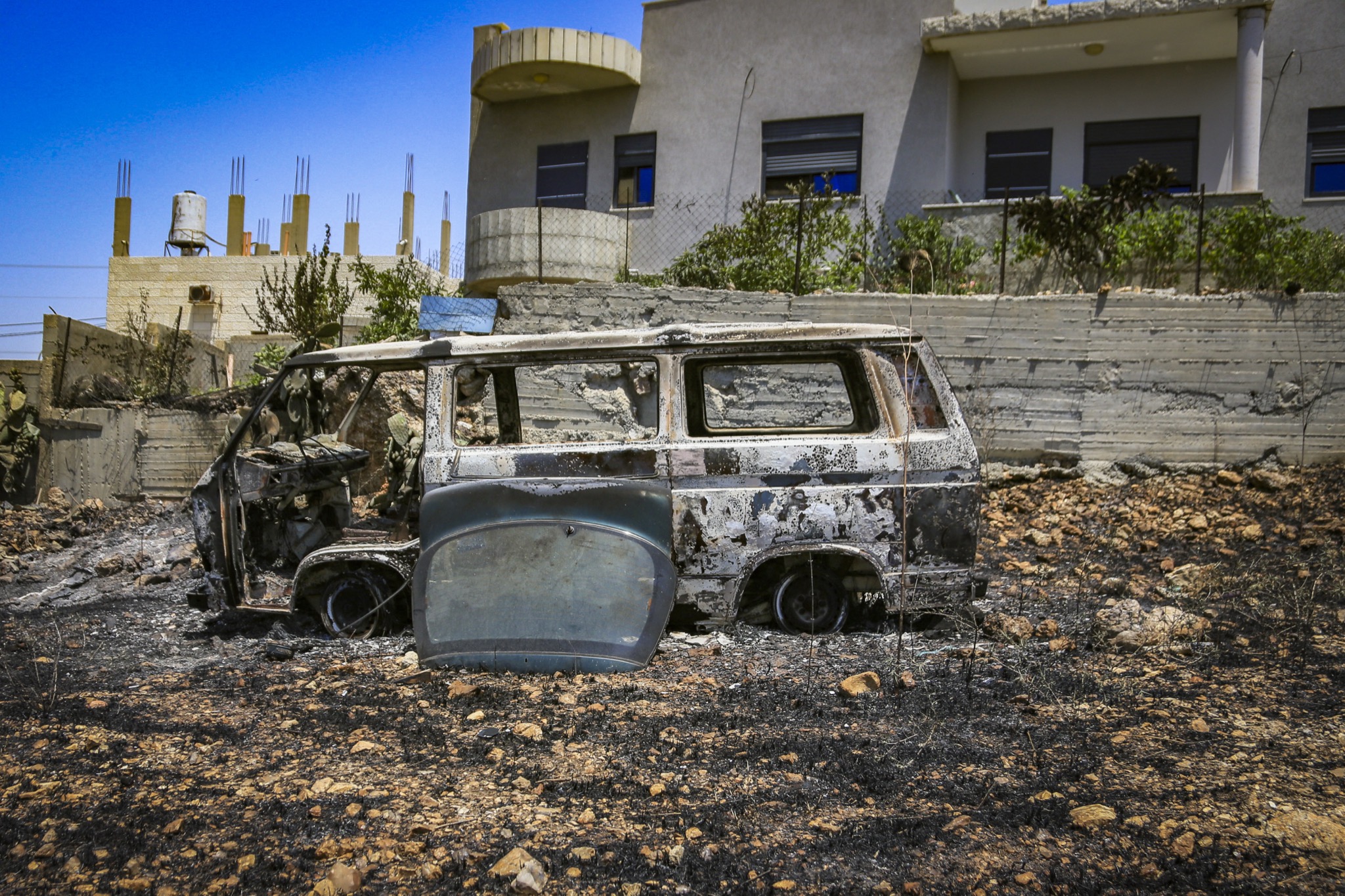
In the entry for Sheikh Abu Jud, the fourth stop on the route published by “David and Ahikam Hikers,” the authors again remind travelers how “important it is to bring long guns,” since “a few houses from the village [of Tel] are located nearby.”
“When you go out for a hike, you discover that the area isn’t scary,” Sayyed told HaKol HaYehudi, adding: “The Land of Israel welcomes hikers.” However, posts within the groups themselves show that the ability to experience the area as safe and open — while ignoring the residents of the places they are hiking through — relies on an extensive array of force: civilian firearms; a close military escort, which treats the army as a private security firm designed to serve the hikers; civilian settlement security coordinators; and rapid-response teams from the pastoral outposts and settlements adjacent to the hiking sites.
For the organizers, the trip is a means of transforming the few places where Palestinians still have some freedom of movement into trails where the presence of settlers becomes routine.
First, a small group arrives, either armed or under security escort. In its wake, they claim, the military learns that the area “needs to be secured,” and later, organized groups and families may also arrive. The route is shared within groups, marked on Amud Anan, and studied by guides and hikers; years later, it becomes part of the established infrastructure of Israeli movement in the area.
For Palestinian residents, that same route runs through the very heart of their lives: near their homes, through the olive groves they have tended for generations and on which their livelihoods depend, through the orchards they cultivate, past the springs from which they water their fields and herds, and near the shrines that are sacred to them.
The entries on the Amud Anan page indicate that hikers are aware of this. They specify who uses the water, who cultivates the land, who locks the pool, and where the landowners have asked visitors not to enter.
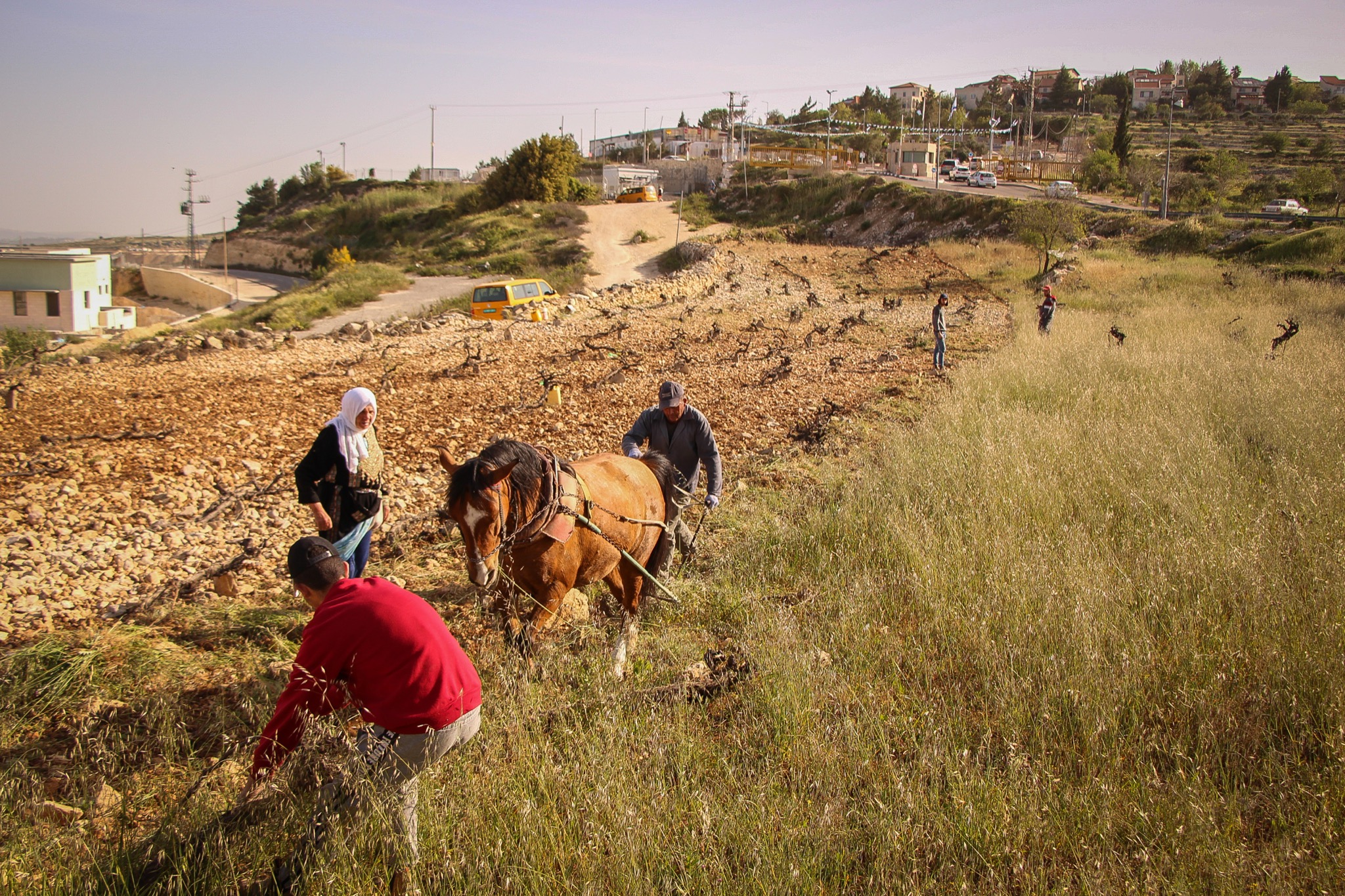
The 2008 book “Palestinian Walks: Notes on a Vanishing Landscape” by Raja Shehadeh concludes with a fictional encounter between the author’s alter ego and an Israeli settler. “Where do you come from?” asks the settler, and when Shehadeh replies, “Ramallah,” the settler responds: “I suspected you were an Arab but was not sure. Arabs don’t walk.”
Shehadeh is surprised. “How do you know that? Are you acquainted with many Arabs?” The settler replies, as expected: “No. None at all.” “Then how did you come upon that conclusion?” “Just from watching the village people nearby. I never see them taking walks or sitting by the water.” “Perhaps because they’re afraid?” the author suggests.
“Why should they be afraid?” “Because of you.” “Of me?” “Yes. Aren’t you carrying a gun?” “I wish I wasn’t. It’s heavy and it’s a burden. But as I said, I have to.”
“I couldn’t help saying, ‘I suppose you do,’ in a sarcastic voice though I regretted it almost immediately,” Shehadeh writes. “What do you mean?” the settler responds. “To protect the land you’ve taken from us,” Shehadeh answers.
Most read on +972

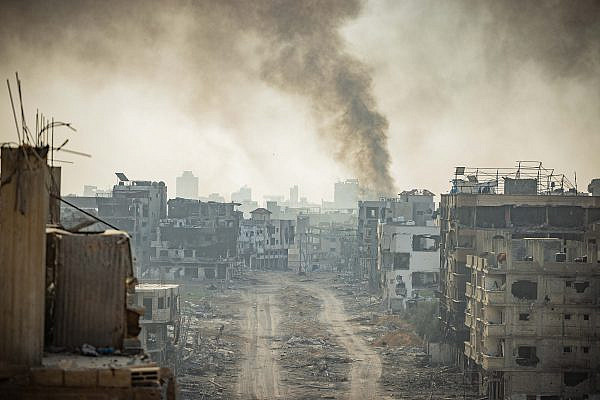

The settlers claim that these hikes are their way of getting to know the land and expressing their love for it. But love isn’t expressed with a drawn weapon. These hikes are not innocent recreational activities, but rather a tool for the political and territorial shaping of the area, which deepen Palestinians’ sense of insecurity in their homes and on their land.
In this context, a hike is a political act in every sense of the word, serving a long-standing process of ethnic cleansing.
A version of this article was first published in Hebrew on Local Call. Read it here.