

In partnership with

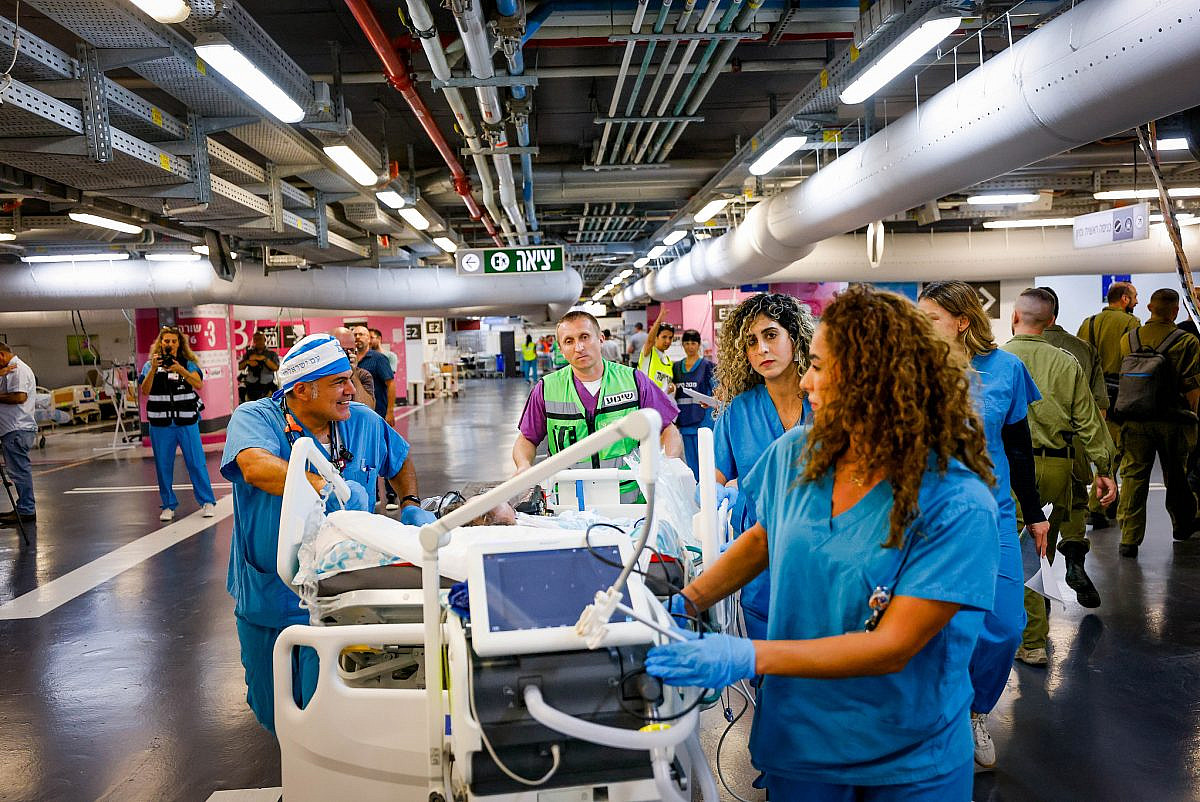
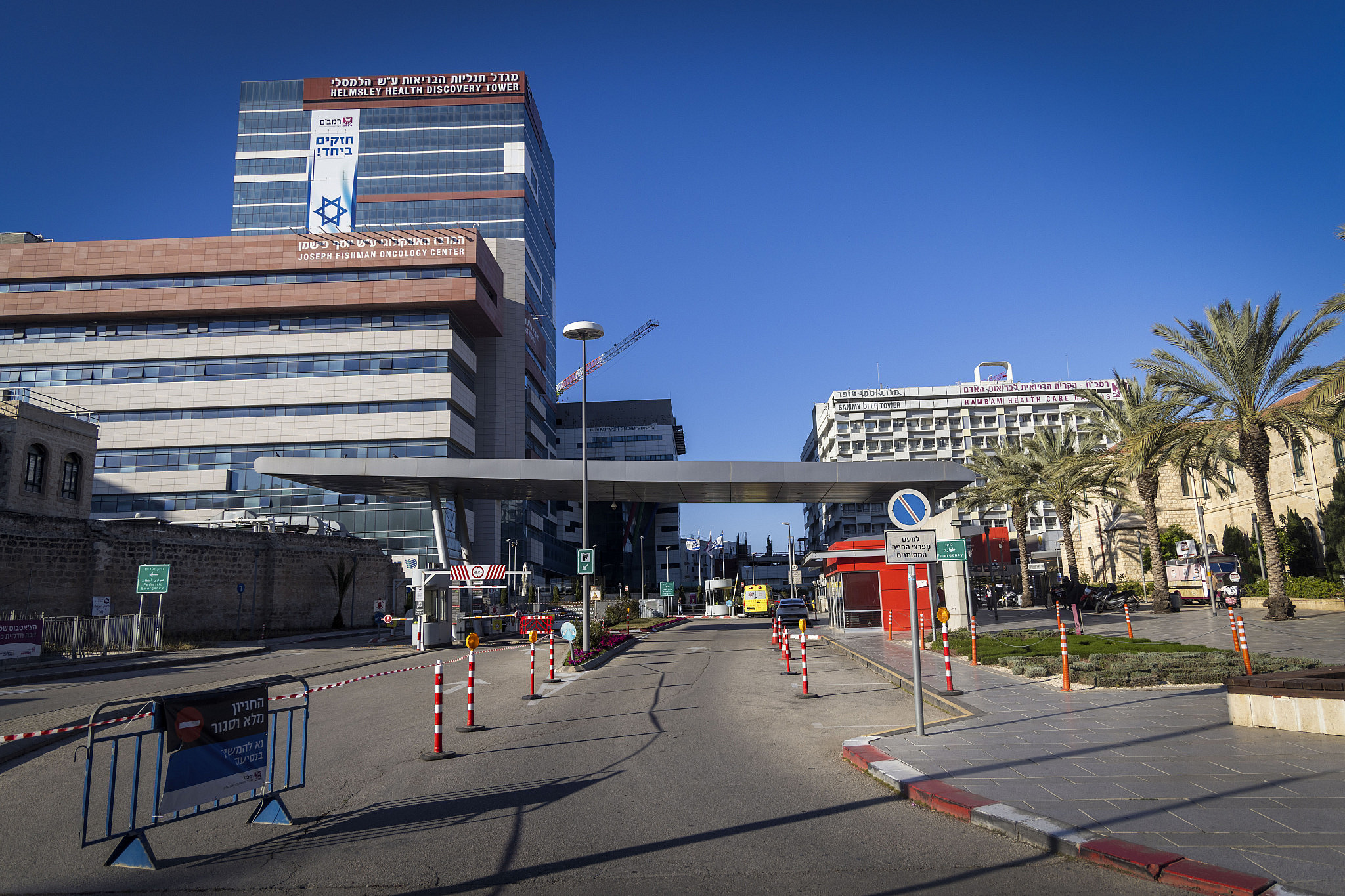
In recent weeks, Arab staff members in the intensive care unit at Rambam Hospital, in the northern Israeli city of Haifa, have found themselves at the center of a public attack. Relatives of Israeli soldiers wounded in Lebanon who were being treated at the hospital accused “Arabic-speaking” staff of malpractice, claiming the staff had deprived their loved ones of water and treated them roughly. Israel’s most-watched television station, Channel 12, amplified the allegations, and an uproar quickly followed.
Rambam’s administration investigated the complaint and found it to be without basis. But the facts mattered little to the Israeli right, which used the incident to ramp up a campaign against the prominent presence of Arab medical professionals in Israel’s healthcare system.
Osnat Mark, a former Likud lawmaker, said in an interview on the pro-Netanyahu Channel 14 that Israel needed to “Judaize” the medical profession. “You walk into hospitals and feel like you’re in Ramallah,” she exclaimed.
Likud MK Moshe Saada has likewise been campaigning against what he describes as “affirmative action” for Arab doctors, claiming that if his daughter wanted to study medicine, “Fatma from Umm Al-Fahm” (an Arab city near Haifa) would be preferred over her. Following the reports about Rambam, such rhetoric has only intensified.
There has also been a significant backlash against the incitement. In the aftermath of the incident, left-wing Jewish and Palestinian activists distributed flowers to Rambam staff members, while over 32,000 people signed a campaign in support of them. Medical unions and professional organizations condemned the attacks.
Moshe Bar Siman-Tov, director general of the Health Ministry, visited the hospital and offered staff his full backing. The “racist discourse” directed at Arab employees was “unacceptable,” he said, adding that “working together in the healthcare system is not a necessity forced upon us, but a value and a source of resilience and professionalism.”
Such expressions of solidarity are important. But they only address the most visible part of the problem.
As politicians rail against Arab medical workers for supposedly taking positions from Jewish graduates in Israeli hospitals, the data tells a very different story: Thousands of Arab doctors who have completed medical school, passed their licensing exams, and finished their internships are unable to find positions in Israeli hospitals and health clinics. In other words, efforts to reduce the presence of Arab doctors may already be succeeding — without any formal policy to that effect.
A 2025 study in the Israel Journal of Health Policy Research found that the proportion of Arabs among all doctors in Israel rose from 8 percent in 2010 to 25 percent in 2023. Arabs also make up 27 percent of nurses and dentists and 49 percent of pharmacists. Yet their share among medical students in Israel has been falling, dropping to just 9 percent in the 2022-23 academic year (the latest for which there is available data). This means that the increase in Arab doctors has depended largely on those who were forced to study medicine abroad.
Data from the Knesset Research and Information Center also undermine claims that Arab applicants benefit from affirmative action. Arab medical students score slightly higher on average than Jewish students on the Psychometric Entrance Test — 725 compared with 723 — yet Jewish applicants are admitted to medical school at nearly twice the rate of Arab applicants: 31 percent compared with 16 percent.
Nor does Arab doctors’ representation in Israeli hospitals translate into equal access to power. According to a petition filed by the Mossawa Center to the High Court, Palestinian citizens made up 22 percent of Health Ministry employees as of April 2025 — the highest proportion of any government ministry, though roughly equal to their proportion in the overall population — but held only around 3 percent of its senior positions.
The issue, then, is not simply who is allowed into the healthcare system. It is also who gets to run it, shape its policies, and make its decisions.
Shutting the door
In some areas, the incitement and racist rhetoric has already begun influencing policy.
In January, the Knesset approved a ban on employing graduates of Palestinian academic institutions in the West Bank as teachers in the Israeli education system, effectively excluding thousands of Palestinian citizens of Israel. Around the same time, Otzma Yehudit MK Limor Son Har-Melech, chair of the Knesset Health Committee, called for the same policy to be applied to clinical training in Israeli hospitals for medical students from Palestinian universities. Such students, she claimed, were taking places away from Israeli doctors, and she described the Palestinian academic institutions as “hotbeds of terrorism.”
Nursing graduates from Palestinian universities have also reported facing extensive examinations and bureaucratic hurdles on their way into the profession. Now the same logic is increasingly being directed at doctors: Rather than assessing graduates according to their training, achievements, and professional abilities, studying at a Palestinian institution is in itself evidence of incompetence or disloyalty.
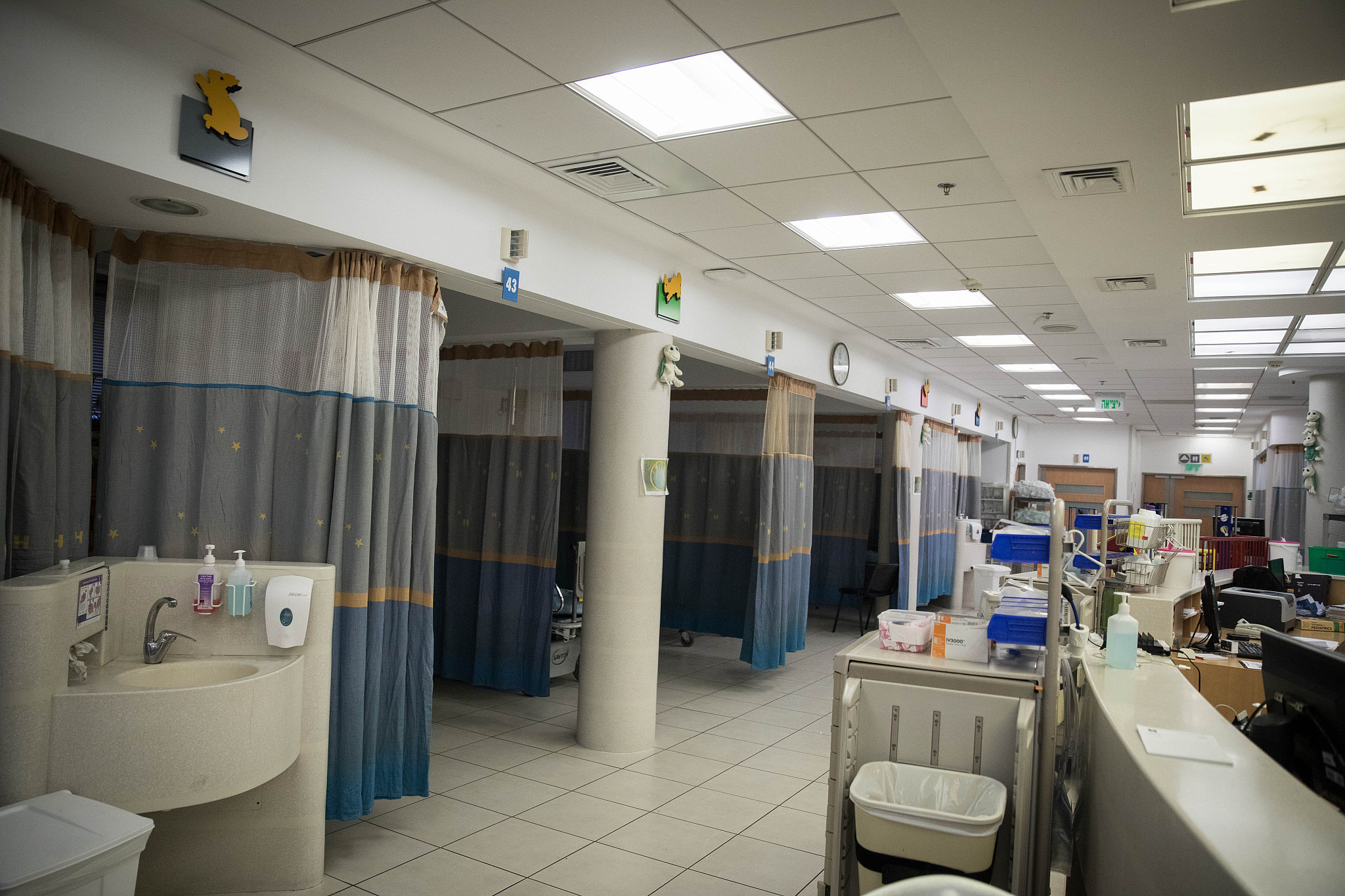
After completing an internship, doctors seeking to specialize must find a residency at a recognized institution. Unlike internships, which the Health Ministry is required to provide to those who meet the criteria, finding a residency is the responsibility of the individual doctor. That is where the bottleneck begins.
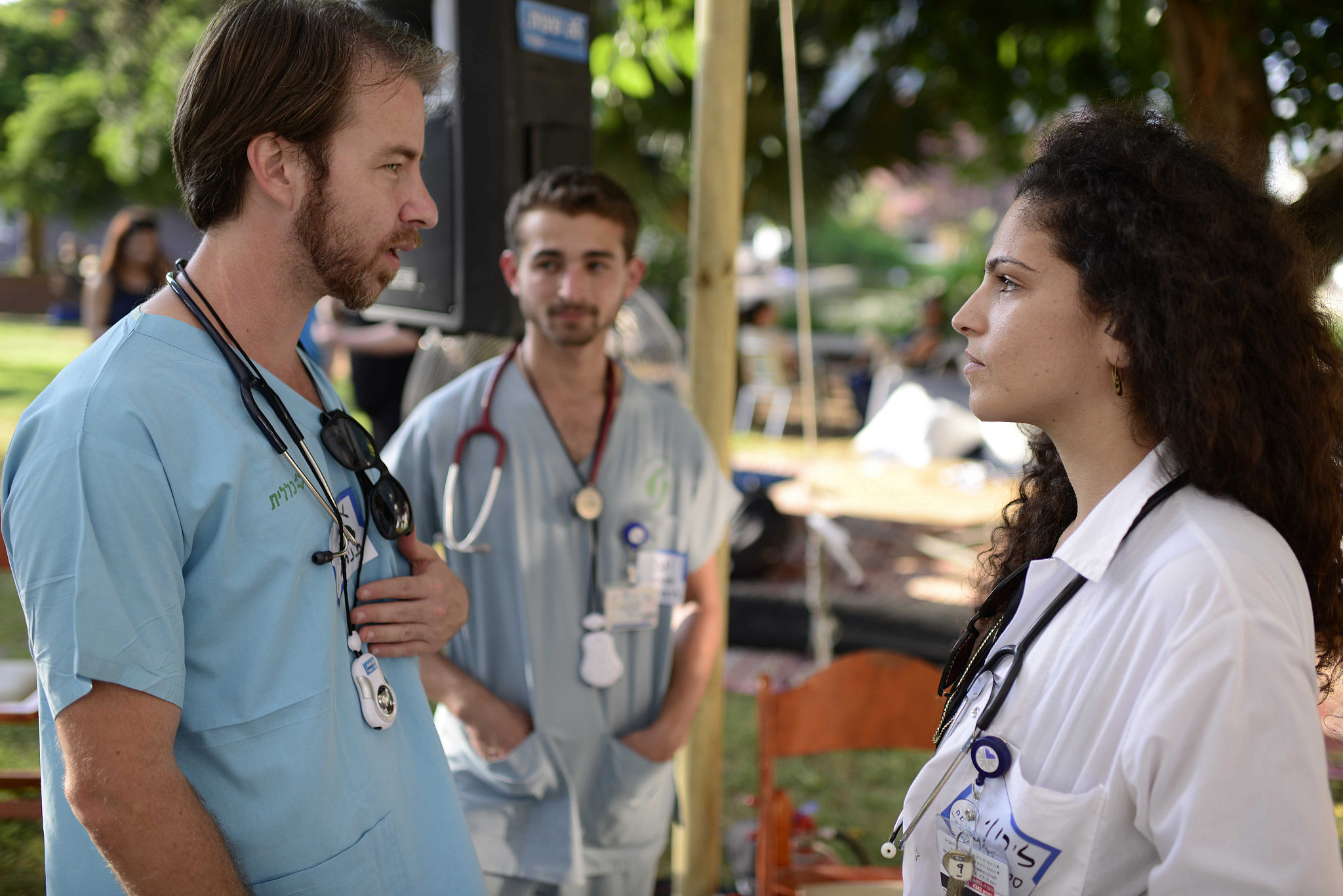
Prof. Bishara Bisharat, chair of the Society for Health Promotion in the Arab Community in Israel, an advocacy group operating within the Israel Medical Association, told +972 Magazine that by his estimate, around 4,000 Arab doctors have completed their studies, passed the licensing exam, and finished their internships but are not currently practicing medicine because they have been unable to enter a residency. This is happening while Israel’s healthcare system faces a shortage of around 3,000 doctors.
Bisharat, a specialist in family and public health medicine, said Arab doctors may be told that their integration is delayed because of a lack of funding, even as Jewish immigrant doctors are absorbed quickly into the system. He fears that if vacant positions are eventually filled by Arab doctors, the incitement against them will only intensify further.
At the heart of the problem, he said, is the absence of a transparent system for hiring new doctors. Residency positions are often filled through personal connections, Bisharat said. He added that private health service providers (which also operate clinics) have in some cases conditioned a doctor’s acceptance into a residency on bringing family members or acquaintances into their health plan.
In April, the Health Ministry itself acknowledged that it did not have accurate data on the number of residency positions available. According to the ministry, 2024 data show that 9,558 doctors in Israel are neither specialists nor residents, around half of them Arab. Not all are necessarily unemployed, but the disproportionate number of Arabs in this category points to the barriers they face in establishing a full professional career. The ministry stated that insufficient command of “medical Hebrew” and limited familiarity with the Israeli healthcare system are obstacles to employment.
+972 Magazine asked the Health Ministry for updated figures on the number of Palestinian citizens of Israel who hold a medical license but are not working in the profession, but no response has been received.
Recognition revoked
Due to the limited number of medical school places at Israeli universities, aspiring doctors in Israel have long completed their studies at institutions abroad. This path has been particularly common among Arab students, who face additional barriers to admission, including stringent language and interview requirements. In the past, minimum-age requirements also disproportionately affected Arab applicants, who generally do not serve in the military or perform national service and therefore tend to begin their studies at a younger age. Although such restrictions were eventually lifted, by then studying medicine abroad had become a well-established route for Arab students.
In 2019, the Health Ministry introduced new regulations under what is known as the “Yatziv Reform,” reducing the number of foreign medical schools whose graduates are eligible to sit Israel’s medical licensing exam.
The reform was intended to prevent graduates of poorly regulated programs from entering the Israeli healthcare system; most schools that remain eligible are located in OECD member states, alongside several approved institutions in Eastern Europe and Jordan. Some West Bank universities also remain eligible — for now.
Anyone who began studying in 2019 or later at an institution that does not meet the reform’s requirements is barred from taking the licensing exam. Students who enrolled before 2019, however, remain eligible, and their degrees can still be recognized if they meet licensing requirements.
The reform disproportionately affects Arab doctors because they are far more likely than Jewish Israelis to study medicine abroad.
According to a study by the Israel Journal of Health Policy Research, around 68 percent of licensed Arab doctors under the age of 67 studied outside Israel, compared with 54 percent of Jewish doctors. The study also found that graduates of foreign institutions face greater difficulty finding employment, entering prestigious hospitals and competitive specialties, and advancing into management.
Among Arabs who received an Israeli medical license between 2020 and 2022, around 60 percent studied at foreign institutions that are no longer recognized under the Yatziv Reform; around 30 percent attended institutions abroad that are recognized; and only around 10 percent studied in Israel.
Bisharat argued that the reform has created a stigma that extends even to doctors who enrolled before 2019 at institutions later removed from the approved list, despite the fact that their degrees remain legally recognized. Whatever its stated aim of ensuring the quality of medical training, he said, the legislation has narrowed a key pathway through which Arab doctors entered the profession, without the state creating an adequate alternative for them in Israel, further contributing to their exclusion.
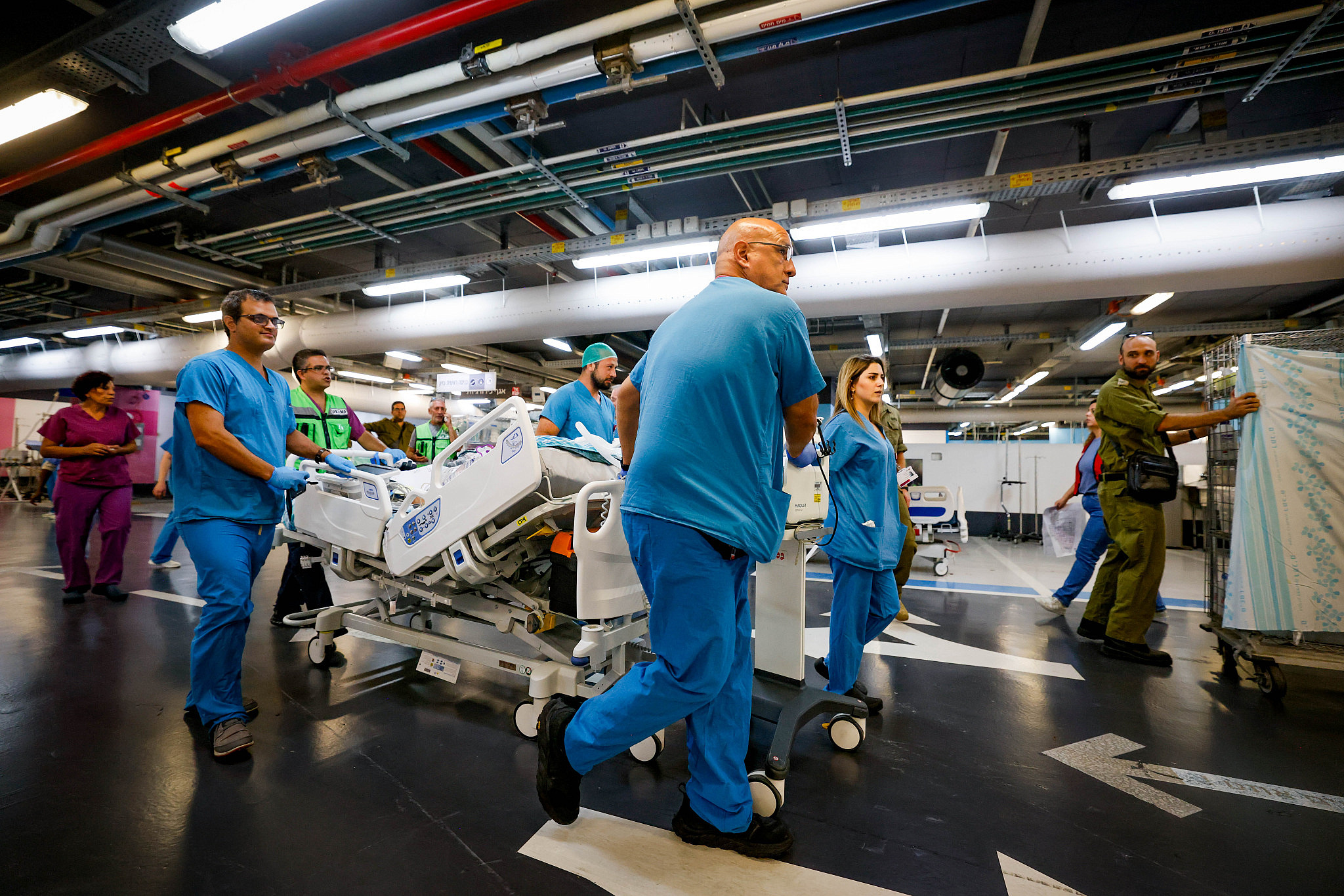
Yet not all of the Arab doctors currently unable to find work studied at institutions affected by the reform. One doctor from central Israel, who asked to remain anonymous, studied at a university that was never disqualified. He graduated four years ago, passed the licensing exam, and completed his internship. He then applied to hospitals and private clinics but was not invited to a single interview. He believes many positions are effectively reserved for candidates with personal or family connections.
While waiting for an opportunity to work as a doctor, he took jobs making deliveries, working in construction, and at a gas station. He has since completed two U.S. medical licensing exams and begun considering emigration — an option he had previously ruled out.
Bisharat now advises Arab students to “think twice” about studying medicine abroad. And he expects the problem to only get worse.
By his estimate, Israel’s healthcare system needs “between 1,500 and 2,000 new doctors every year, depending on population growth and the retirement of older physicians.” In 2020, he continued, “Israeli universities trained around 800 doctors annually; now, the state is working to raise that figure to around 1,700. But once graduates of Israeli universities fill most of the healthcare system’s annual demand, opportunities for foreign-trained doctors — the pathway on which Arab citizens have largely depended — may shrink even further.”
A growing alternative
As access to Israel’s public healthcare system narrows, an alternative market is absorbing a growing number of young Arab doctors in Israel: aesthetic medicine.
There are no official figures on the scale of the phenomenon. But based on +972’s conversations with young Arab doctors, there appears to be a rapidly growing trend of physicians taking out loans or receiving help from their families to complete professional courses and open clinics offering Botox and hyaluronic acid injections.
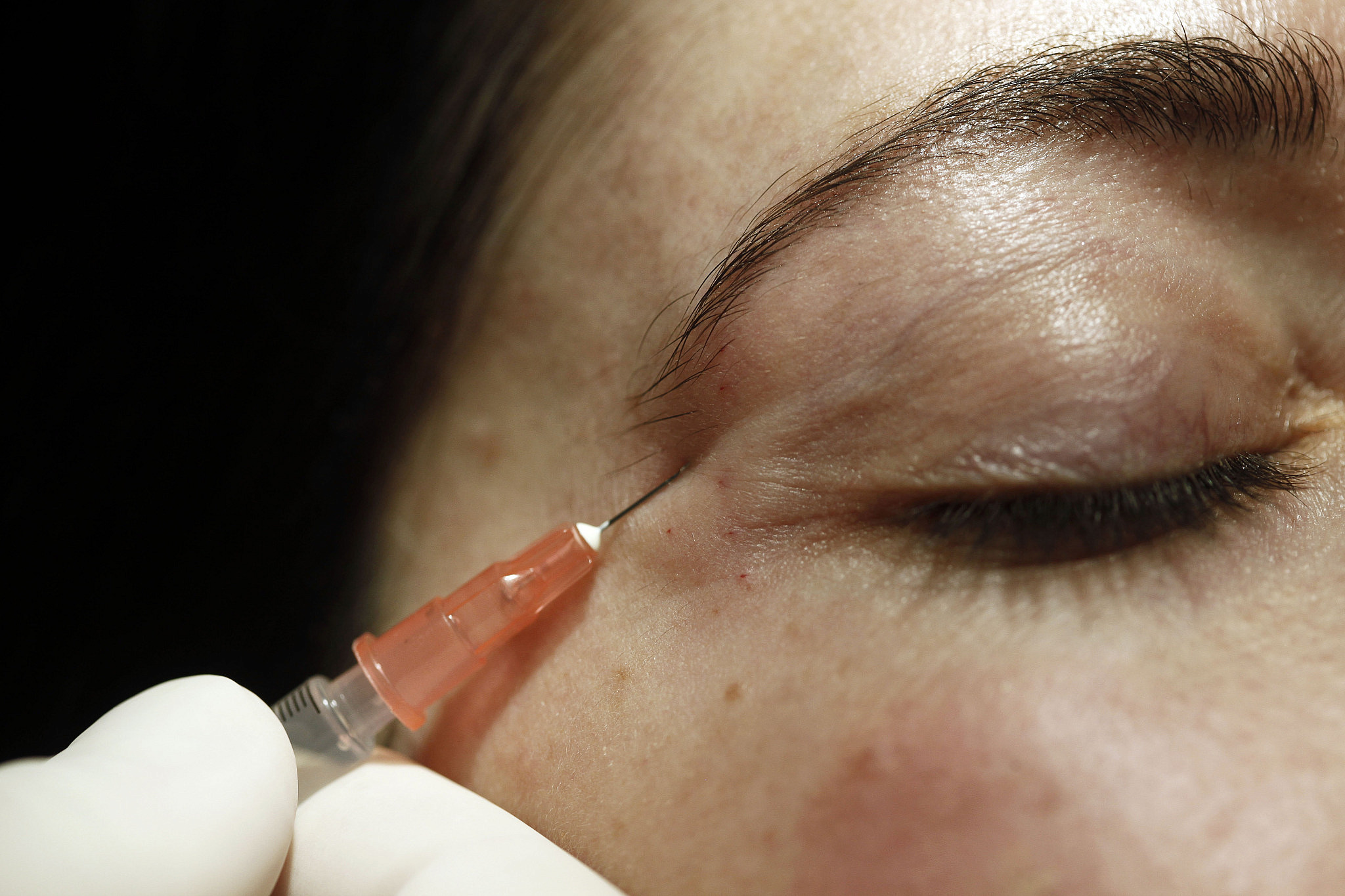
For doctors who have spent years training but cannot find a position in an Israeli hospital or public clinic, aesthetic medicine offers an immediate way to make a living.
Dr. Maya Najib Haj, from the northern town of I’billin, is one of them. She completed her medical degree in Moldova in 2023, passed the Israeli licensing exam, and finished her internship at Beilinson Hospital in central Israel at the end of 2025. She hopes to specialize in pediatrics, but wherever she applies, she says she hears the same response: There are no available positions
“So far I haven’t found a job, either as a general practitioner or as a resident,” she told +972. “If my father were a doctor, it would be easier for me.”
Ahead of her wedding, and needing an income, Haj began taking courses in Botox and filler injections. Around half the participants in one course, she said, were young Arab doctors trapped in the same situation.
If she remains unable to enter a residency, Haj says she will seriously consider moving to Europe to begin the medical career for which she spent years preparing.
It is not only doctors who are paying the price; their communities are, too. Citing a report by Physicians for Human Rights–Israel, Bisharat noted that 81 percent of doctors working in clinics in Arab communities have not completed a residency in family medicine.
“Family medicine is the gateway to initial diagnosis,” he said. “Why doesn’t the state open a pathway that would allow these doctors to specialize — not only for their sake, but for the sake of society? This is a form of contempt.”
Anxieties of the privileged
Nihaya Daoud, chair of the Health Committee within the High Follow-Up Committee for Arab Citizens of Israel, links the attack on Rambam’s medical staff to the broader question of power and belonging in Israeli society. The Jewish majority, she said, is used to being considered the group that owns the space and holds authority, while Arabs are expected to remain on its margins. “But these margins are no longer the margins,” she said.
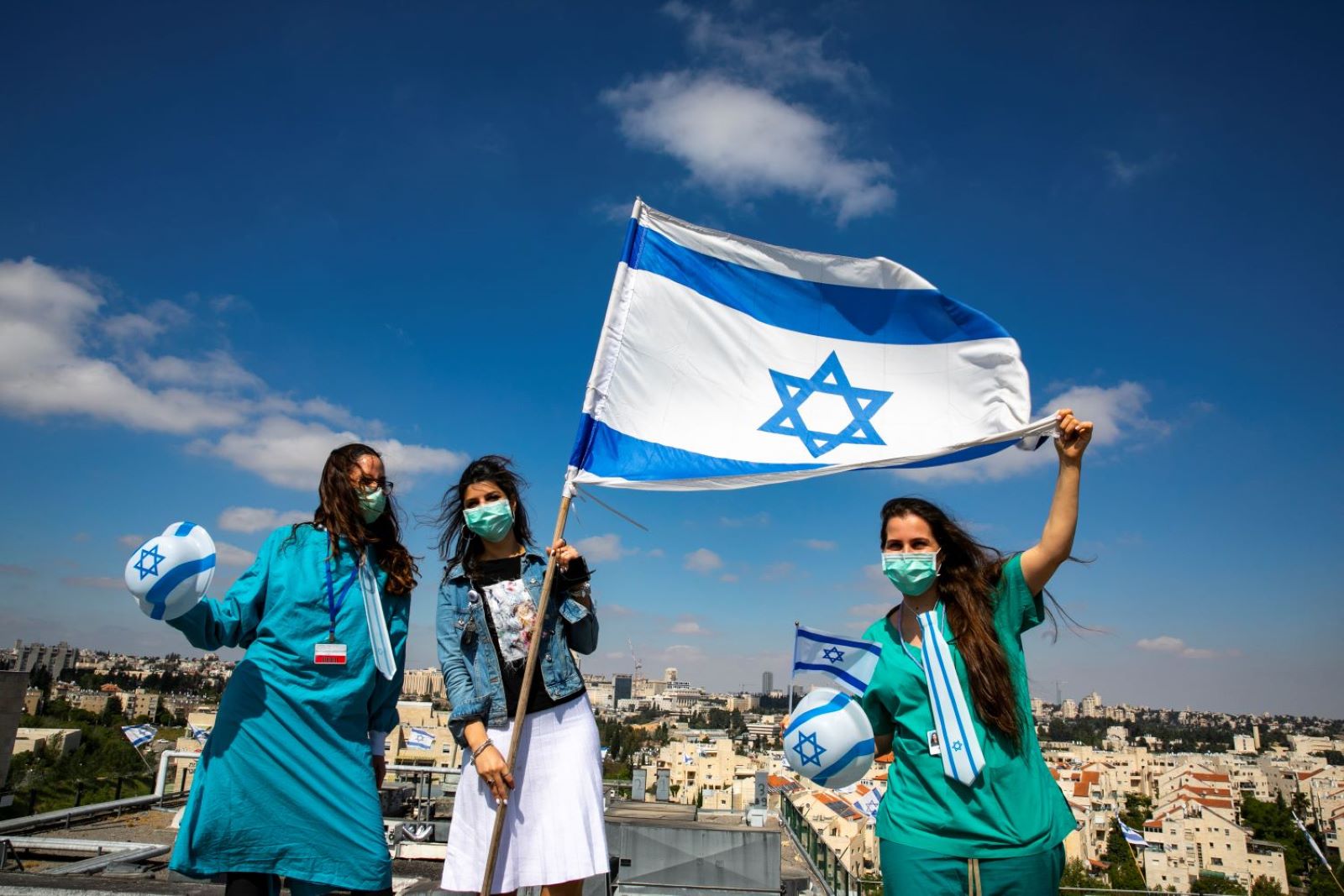
Over the decades, Arab doctors, nurses, pharmacists, and other health professionals have become indispensable to the Israeli healthcare system. Despite systemic discrimination, many have entered specialized fields, academia, management, and leadership, and play central roles in treatment, research, teaching, and training the next generation of medical professionals.
In Daoud’s view, this development threatens the existing hierarchy. “When the Arab doctor becomes a manager and the Arab researcher becomes a scientific authority, old boundaries begin to shift,” she explained. “For someone who has grown accustomed to privilege, equality can look like a loss of status.”
During periods of heightened tension like today, Daoud continued, anxiety over that shifting hierarchy manifests in racism, exclusion, and attacks on the professionalism and belonging of Arab medical workers.
She sees a connection between political discourse about Israel’s so-called “health security,” efforts to disqualify graduates of Palestinian universities, and the narrowing of employment and residency opportunities. These measures, she said, are intended to reduce the number of Arabs in the healthcare system and weaken ties between Palestinian citizens of Israel and Palestinians in the West Bank.
For Daoud, condemning what happened at Rambam, or invoking “coexistence,” is not enough. Meaningful change, she said, requires equal access to managerial and decision-making positions, stronger protections against discrimination, and accountability for racist conduct. “Addressing racism does not begin with improving the system’s outward appearance, but with changing it from within,” she urged.
Most read on +972
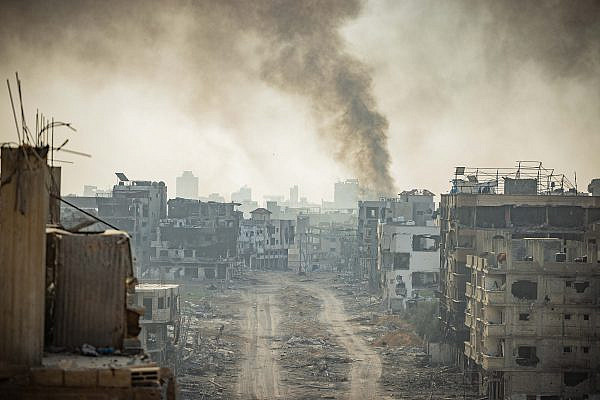

In mid-August., a group of prominent civil rights and shared society organizations approached the Health Ministry, Rambam’s administration, and medical associations demanding public support for Palestinian employees and a concrete plan to confront racism. Their appeal cited studies showing that since October 2023, Arab medical staff have experienced a decline in their sense of security and belonging, alongside growing hostility and professional burnout.
The flowers handed out at Rambam carried an important message of solidarity. But the real test begins after they wither: Will the Health Ministry defend Arab doctors and medical workers from racist incitement? Will it open the doors of the system to the thousands of qualified physicians who remain outside it?
Arab doctors have already shown that they are capable not only of integrating into Israel’s healthcare system, but of excelling within it. In recent years, many Arab physicians have appeared on Forbes Israel’s lists of the country’s leading doctors, based on recommendations from their peers. The question is whether the system is prepared to treat them as full and equal partners.
A version of this article was first published in Hebrew on Local Call. Read it here.