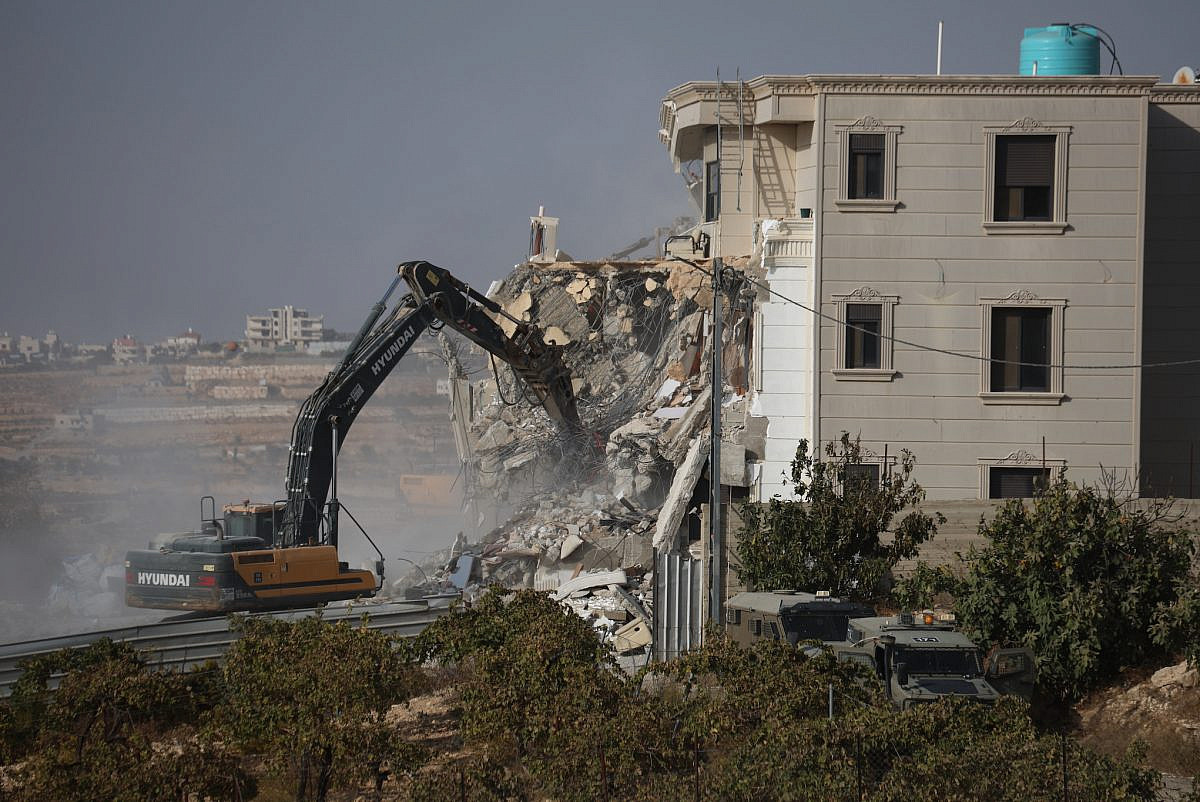
My sister Hayat had been living in her new home in the western Hebron neighborhood of Ein Deir Bahha for barely a week when, on Oct. 23, Israeli soldiers arrived and ordered her family to leave. She, a medical laboratory scientist, and her husband, a pharmacist, had just celebrated moving into the quiet, middle-class neighborhood far from Israeli settlements and military checkpoints with their seven children.
When Israeli soldiers drove through their neighborhood and the adjacent area of Al-Jaladeh, shouting orders to leave, her husband wanted to stay put and demand that they produce a military order justifying their eviction. But Hayat feared the soldiers would kill him if he resisted. She persuaded him to leave — and within the 10 minutes they were given to gather their belongings and evacuate, they took off for her father-in-law’s house on Ein Sarah street, in the heart of Hebron city, roughly three kilometers away.
Since that day, when two Palestinian gunmen shot dead two Israeli soldiers manning a checkpoint at Farsh Al-Hawa junction near Hebron, the Israeli military has forcefully expelled thousands of Palestinians from their homes in the city. Both Palestinian gunmen were also killed by Israeli forces during Friday’s exchange of fire, before the army began demolishing Palestinian homes and businesses. The Israeli government then launched a sweeping, violent military operation targeting entire neighborhoods, punishing thousands of civilians who had nothing to do with the attack.
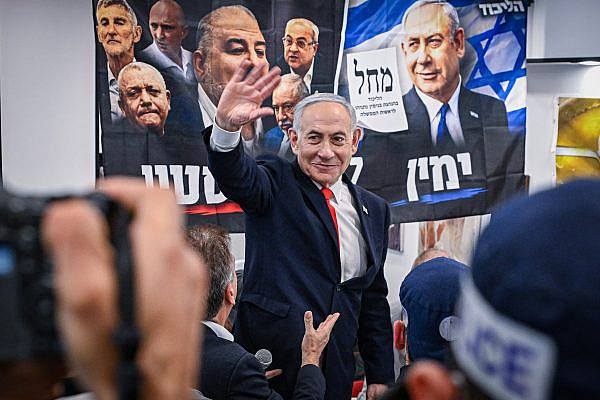
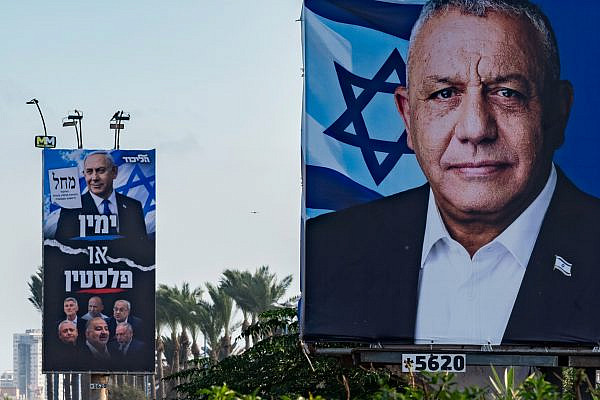
The timing is no coincidence. Prime Minister Benjamin Netanyahu and his far-right allies are using our suffering to demonstrate their willingness to crack down on Palestinians, turning collective punishment — illegal under international law — into an electoral spectacle. But the consequences for us residents of Hebron will reverberate long after election day.
A neighborhood-turned-military zone
According to the Hebron Municipality, roughly 3,971 people from 619 families have been forcibly displaced since Oct. 23. Many, like my sister, were shocked to find themselves targeted by the military. Families were ordered out of their homes in the middle of the night, given just minutes to gather their belongings, and left with nowhere to go. Some fled with only the clothes on their backs, leaving behind even their children’s schoolbooks.
The scale of the destruction is staggering. According to the municipality, approximately 86 acres of the city had already been destroyed or marked for demolition by Saturday afternoon. Israeli soldiers have taken over evacuated houses, spray-painted black Xs on their walls, and draped Israeli flags over balconies. Military vehicles have blocked neighborhood roads, while checkpoints have been closed, cutting residents off from their homes and restricting movement across the city.
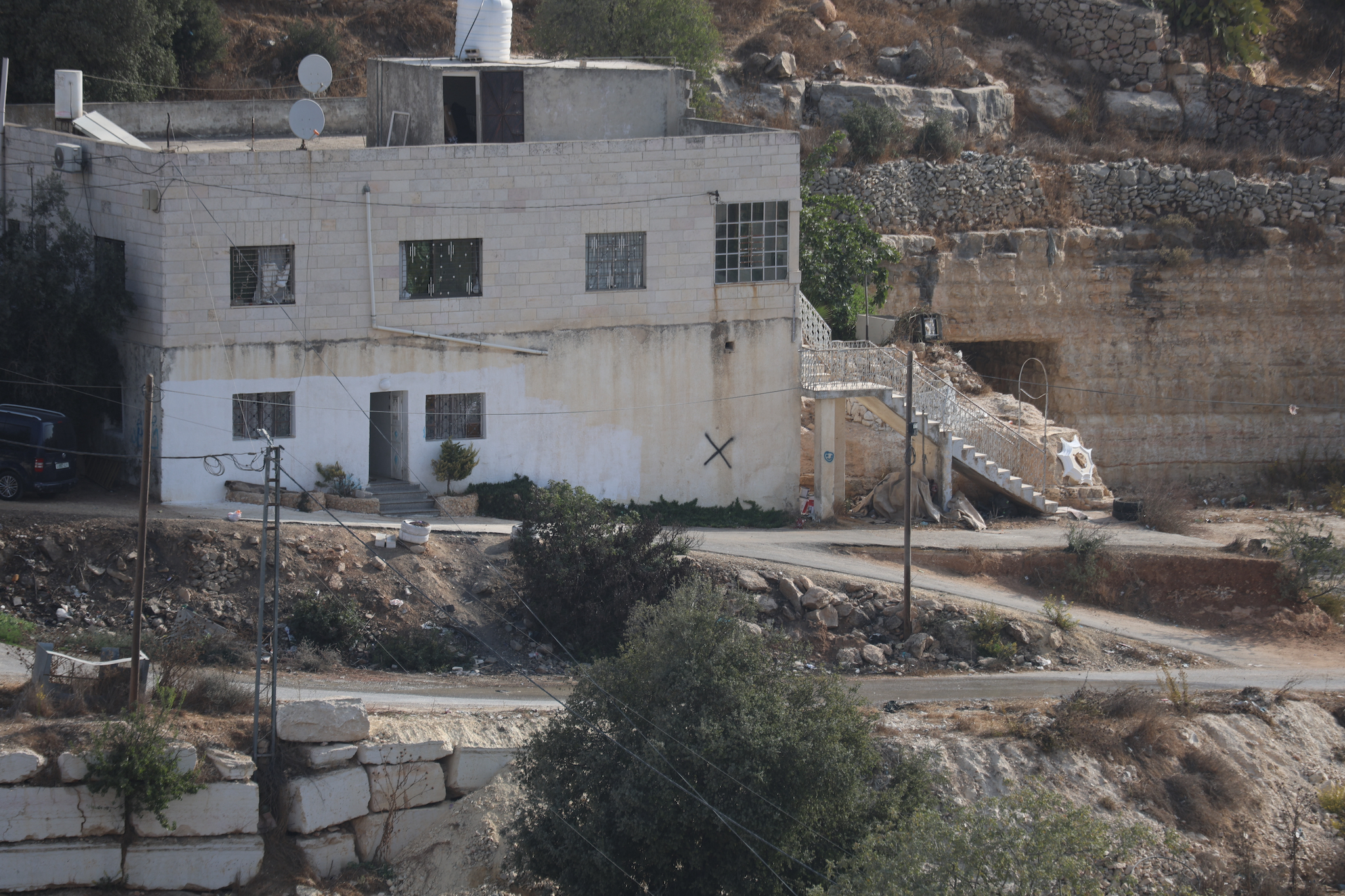
In the span of 10 minutes, families were made refugees in scenes painfully reminiscent of the 1948 Nakba. Many of those displaced in Friday’s operation are themselves descendants of Palestinians expelled from Al-Faluja, a depopulated village northeast of Gaza whose lands would later become part of the Israeli city of Kiryat Gat.
For 50-year-old Asim Natsha, a father of five who also lives in Al-Jaladeh, the orders came while he was watching a movie with his family in the early hours of Saturday morning. Hearing soldiers call out through loudspeakers mounted on military jeeps, he initially stayed put, unsure whether his home fell within the area designated for eviction. An hour later, soldiers arrived and banged on the door.
“My wife, my daughters, my sons, and I were terrified,” Natsha told +972 Magazine. The soldiers searched the house before ordering them to move out immediately. Natsha and his family gathered a few essentials and fled to his father-in-law’s home in Ras Al-Jura, five kilometers away.
“I do not even know the young men from the Joaba family who are accused of killing soldiers,” he said. “I have no ties to their family, and their home is far from mine. Yet I was forced out of my home along with my family, as if we were responsible for something we had nothing to do with.”
In the southern neighborhoods of Khallat Manna and Dahiyat Al-Zaytoun, the army has turned homes into military installations after expelling their residents, converting them into barracks and observation posts. Dozens of homes have also been used as military interrogation centers, according to the Palestinian Prisoners’ Society (PPS).
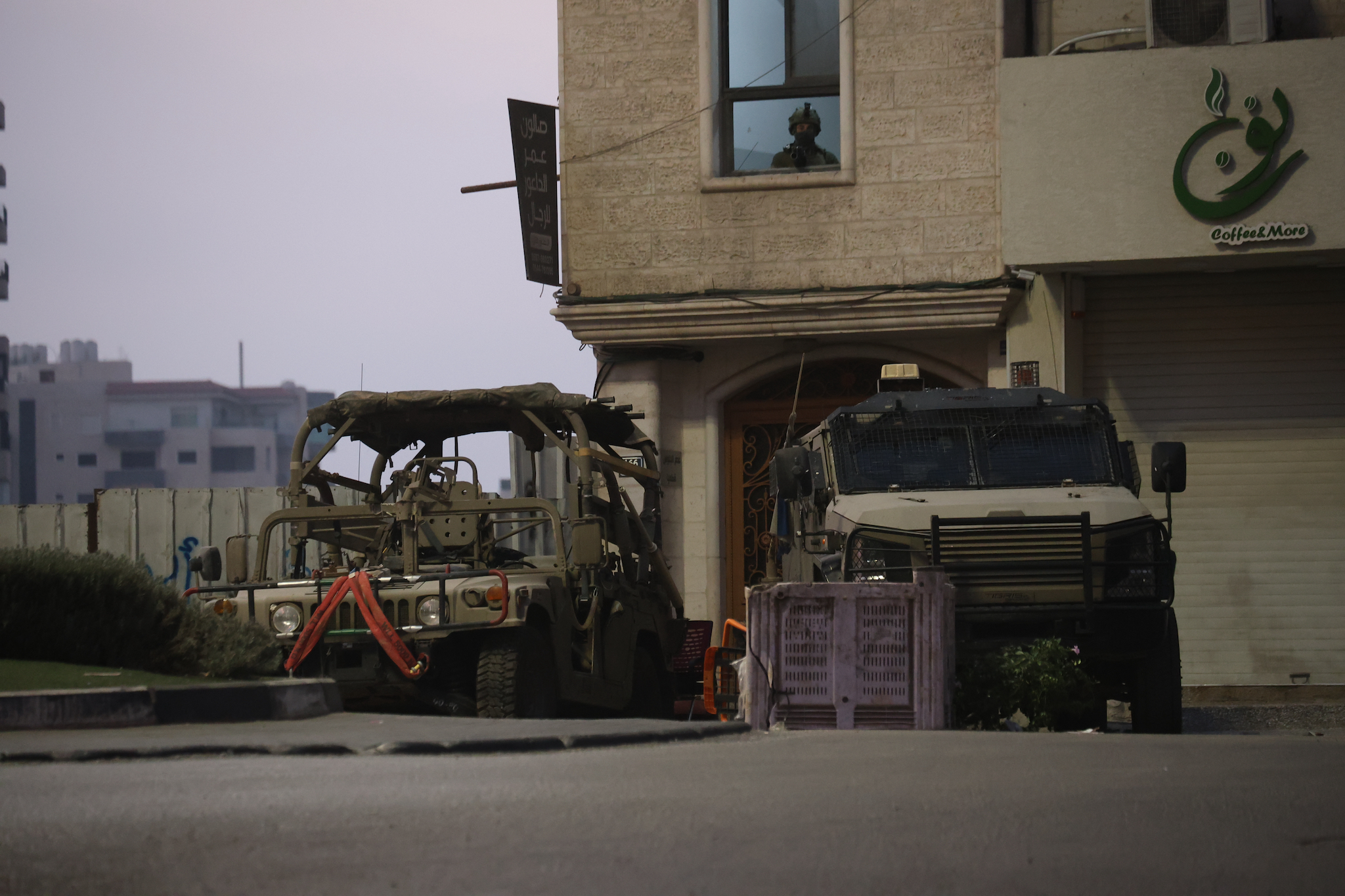
The operation has been accompanied by mass detentions. By Sunday, at least 47 Palestinians had been detained in Hebron; by Monday, the PPS reported that the number had risen to 85, including a girl, while more than 250 others had been subjected to field interrogation.
The military also ordered the closure of around 100 shops in the area — the first such closure of its kind in three years — and raided the offices of Al-Ghad TV, smashing cameras and other media equipment. The closures will deal another blow to Hebron’s economy, which has already been devastated by Israeli restrictions since October 2023. My brother-in-law, a pharmacist, has been forced to store all of his pharmaceutical supplies at home because of the shutdown.
For years, Israel has steadily hollowed out Hebron’s Old City, turning once bustling commercial streets into a ghost town of shuttered shops and abandoned apartments under heavy military control. Now, the army is imposing similar measures on the city’s western neighborhoods.
The government presents this as an anti-terror operation, but there is no institutionalized Palestinian militant presence in Hebron that could justify the sweeping measures now being imposed on its civilian population. Furthermore, the army already maintained a consistent presence both before and after October 7.
Even the Israeli military’s chief of staff, Eyal Zamir, reportedly called for an end to the operation, arguing that there was no longer any justification for continuing it and warning that prolonging it could undermine Israeli security. Yet Netanyahu and Defence Minister Israel Katz ordered the army to intensify its campaign.
Katz has made clear that the displacement will not necessarily be temporary. Speaking to Israel’s public broadcaster Kan, he said the displaced Palestinians would not be permitted to return until the army had dealt with what he described as “all the Hamas issues in Hebron.”
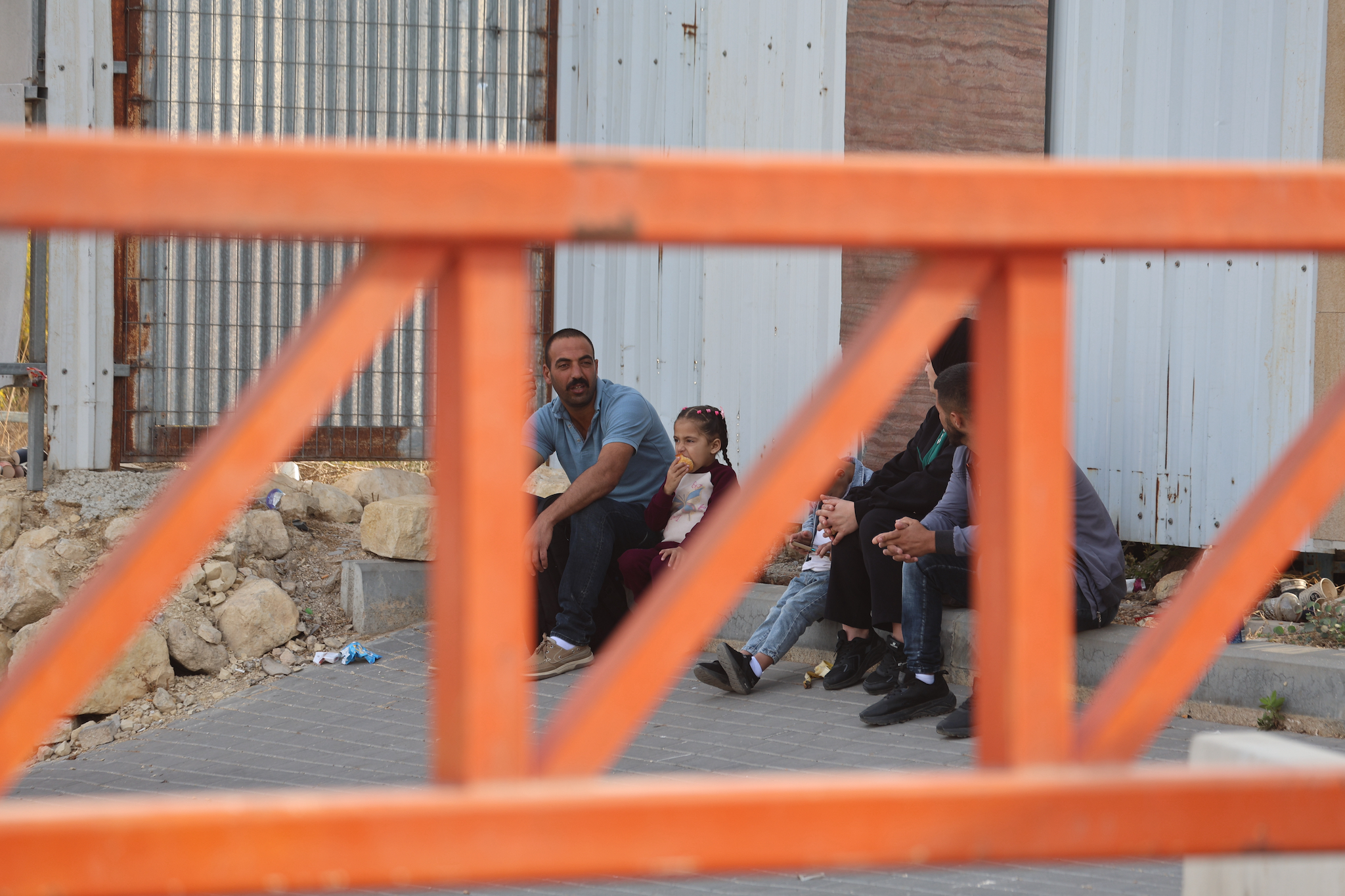
What is being attacked here is our ability to lead ordinary lives: to live in our homes, send our children to school, run our businesses. None of these punitive measures will bring peace or security. They will only deepen the violence and resentment that have already inflicted so much suffering.
A blueprint for permanent displacement
For Netanyahu and his far-right coalition partners, the operation provides an opportunity to stage a public display of force, with thousands of Palestinian civilians paying the price.
But while the electoral consequences may be immediate, the changes being imposed on the ground will become irreversible facts. The displacement of families, closure of businesses, and expansion of military control are part of a broader process through which Israel is tightening its grip on the occupied West Bank and advancing de facto annexation.
We have already seen where this model leads. In early 2025, Israel launched its “Iron Wall” military offensive in the northern West Bank, forcibly emptying the Jenin, Tulkarem, and Nur Shams refugee camps. More than 33,000 Palestinians from those camps remained displaced this year, according to the UN Human Rights Office, which warned that the scale and prolonged nature of the expulsions raised serious concerns about forcible transfer and ethnic cleansing.
What began there as a military operation has become a prolonged displacement crisis, with entire communities unable to return to their homes. For families now being expelled from Hebron, the fear is that what is presented as a temporary security measure will become another permanent reality.
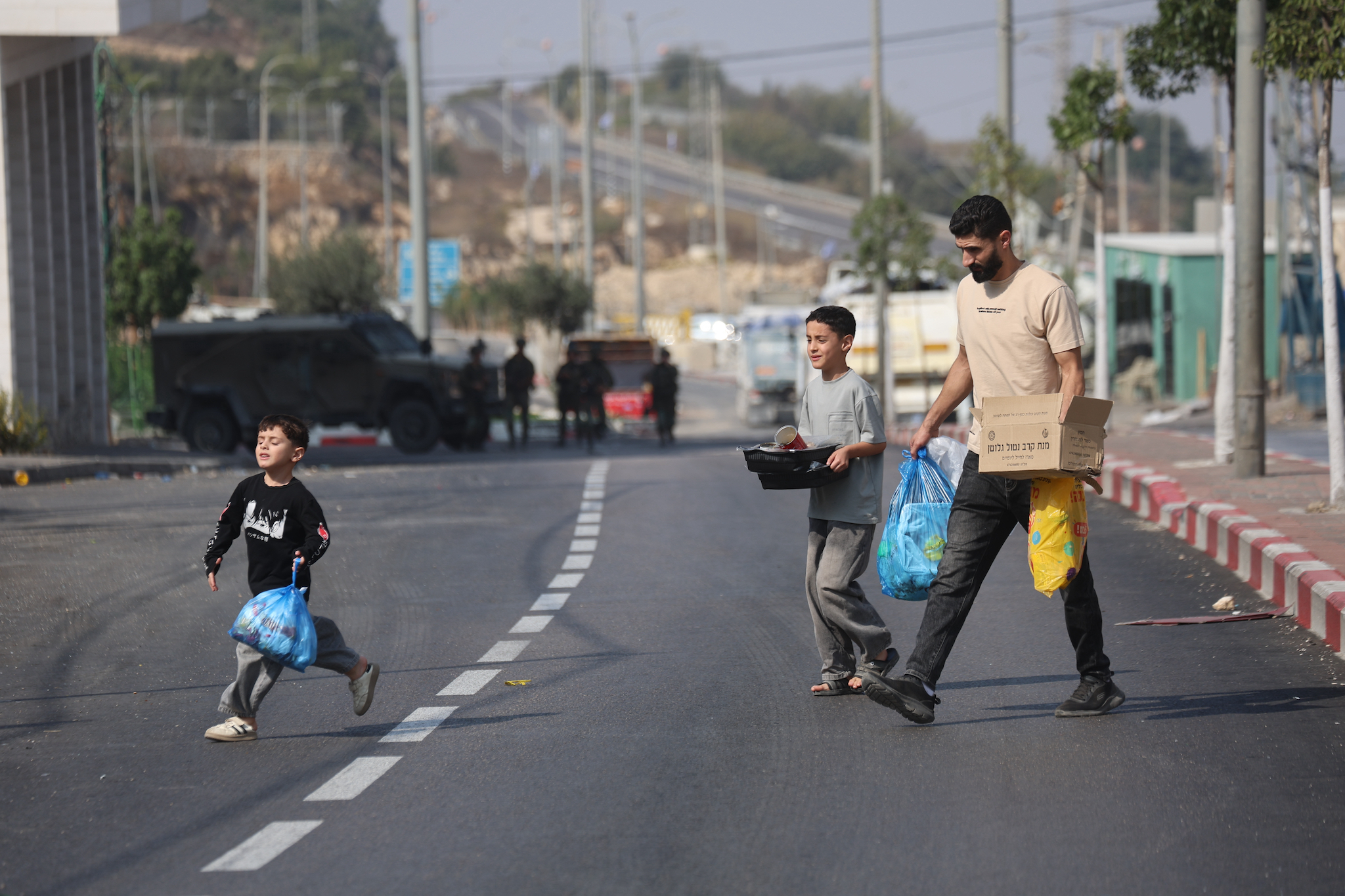
Natsha, who owns a coffee shop where he sells donuts and chocolate, sees the latest displacement as another episode in a long history of restrictions that have intensified since October 7, damaging his family’s businesses and making daily life increasingly precarious.
“One day I am driven out of my home; another day a checkpoint is closed in my face,” he said. “We are being made to pay a price for a political agenda over which we have no control.”
Following the shooting, Finance Minister Bezalel Smotrich called for a military campaign in the West Bank modeled on Israel’s assault on Gaza. The Palestinians of Hebron are not interpreting such statements as toothless threats. We are already witnessing how military operations can be used to dismantle the foundations of civilian life, targeting our economy, education, culture, and social institutions while making it increasingly difficult for families to remain in their homes.
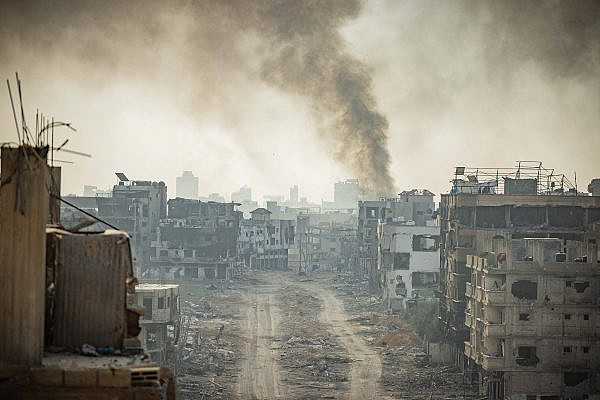
What has happened in Hebron offers a glimpse of the future that the Israeli far right is seeking to impose on Palestinians: more ethnic cleansing, more evictions, more restrictions on movement, and more violence carried out under the pretext of security. Each new operation makes daily life less sustainable, pushing Palestinians toward a point where leaving their homes begins to feel like the only option.
This is why the international community cannot afford to treat what is happening in Hebron as another temporary military escalation. We need concrete action to prevent Israel’s fanatic, fascist government and their enthusiastic support for terrorist settlers from destroying our society.
Even if Netanyahu and his allies lose the election, they will still have won on the ground by creating irreversible realities to undermine peace, making the road to our freedom a much longer trek through darkness.