
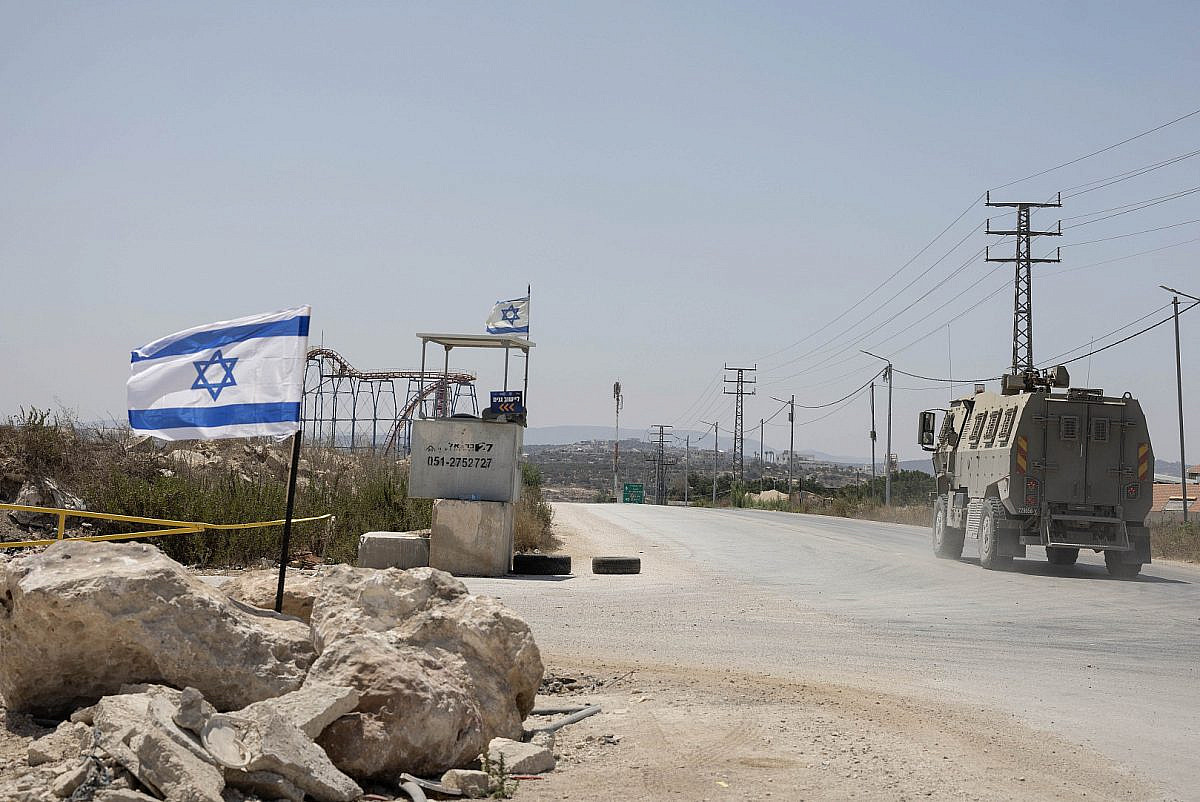
The roads leading to the northern West Bank city of Jenin are lined with Israeli flags. It is a sight that has become the norm across much of the occupied territory, but here it is still unfamiliar.
Over the past few months, Israel has rapidly expanded both military and civilian infrastructure across the Jenin governorate. According to the Israeli NGO Peace now, the government has approved 17 settlements in the Jenin district since the start of 2025, including four that were evacuated in 2005 amid Israel’s “disengagement” from Gaza; the army is also establishing military bases and seizing land for roads intended to connect new and revived settlements.
These moves mark a sharp reversal in an area that saw little Israeli settlement activity for two decades. For Palestinians, the impact is not only territorial: Farmland, roads, and commercial areas are increasingly being cut off, threatening livelihoods and further fragmenting Jenin from within.
How many settlers currently live in these new sites is less clear. Their population is believed to number several hundred, although no reliable consolidated figure exists. Some of the settlements are already established, while others remain at an earlier stage of development.
At a ceremony marking the reestablishment of Ganim, one of the four settlements evacuated in 2005, on Aug. 13, Israeli Defense Minister Israel Katz declared: “Twenty-one years after the uprooting of Ganim, we return today to northern Samaria to build, settle, and stay. In the place where they tried to uproot the settlement movement, we are regrowing it.”
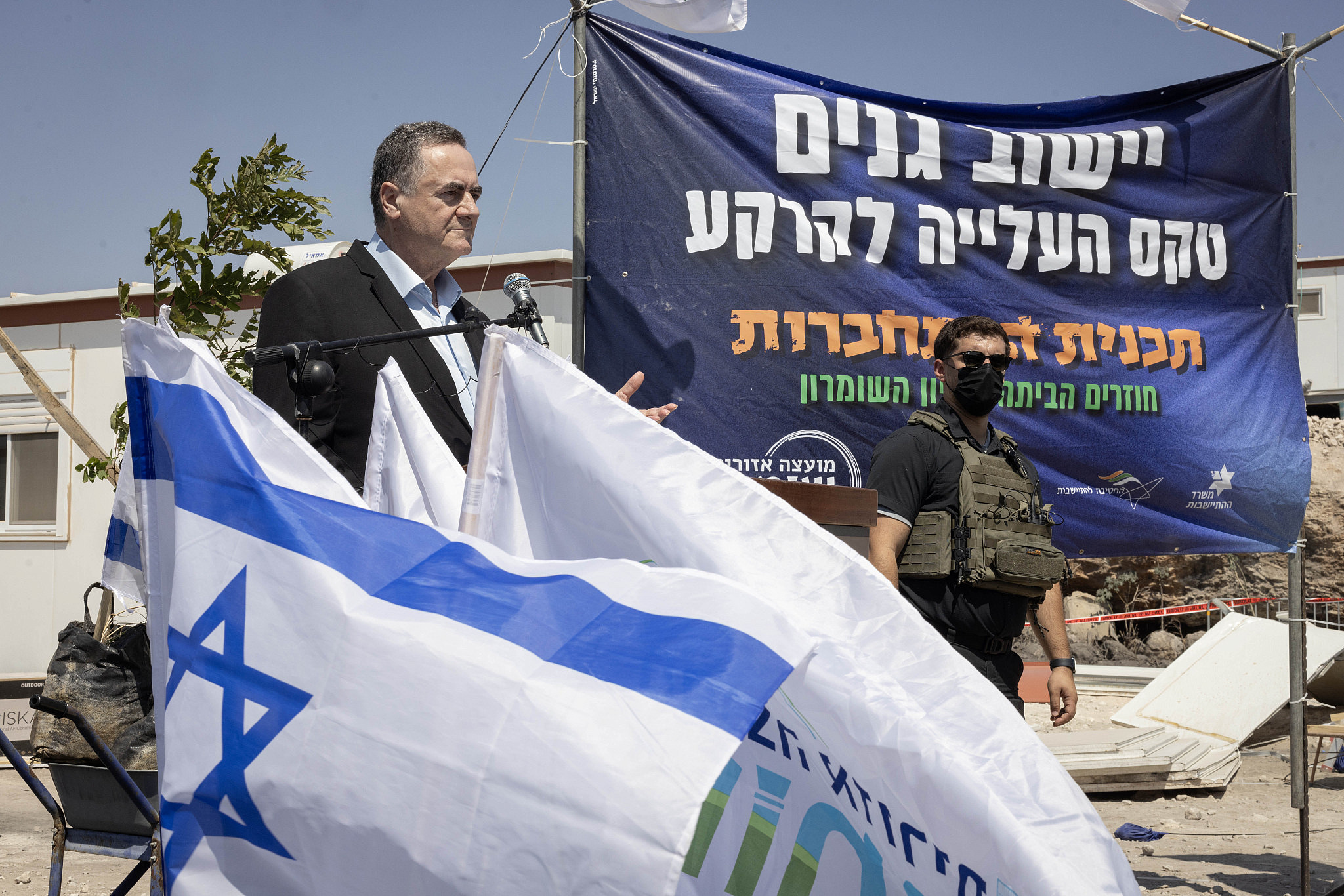
Katz described the settlements as “part of a strategic move to strengthen northern Samaria and achieve the goal of 1 million Israelis in Samaria.” He also situated their establishment within a broader strategy combining settlement expansion with increased Israeli security control, including the authorization of 104 new settlements and around 160 agricultural outposts, the re-establishment of military bases in the northern West Bank, and intensified military operations in Palestinian refugee camps. A new settlement named Noa was also inaugurated in August.
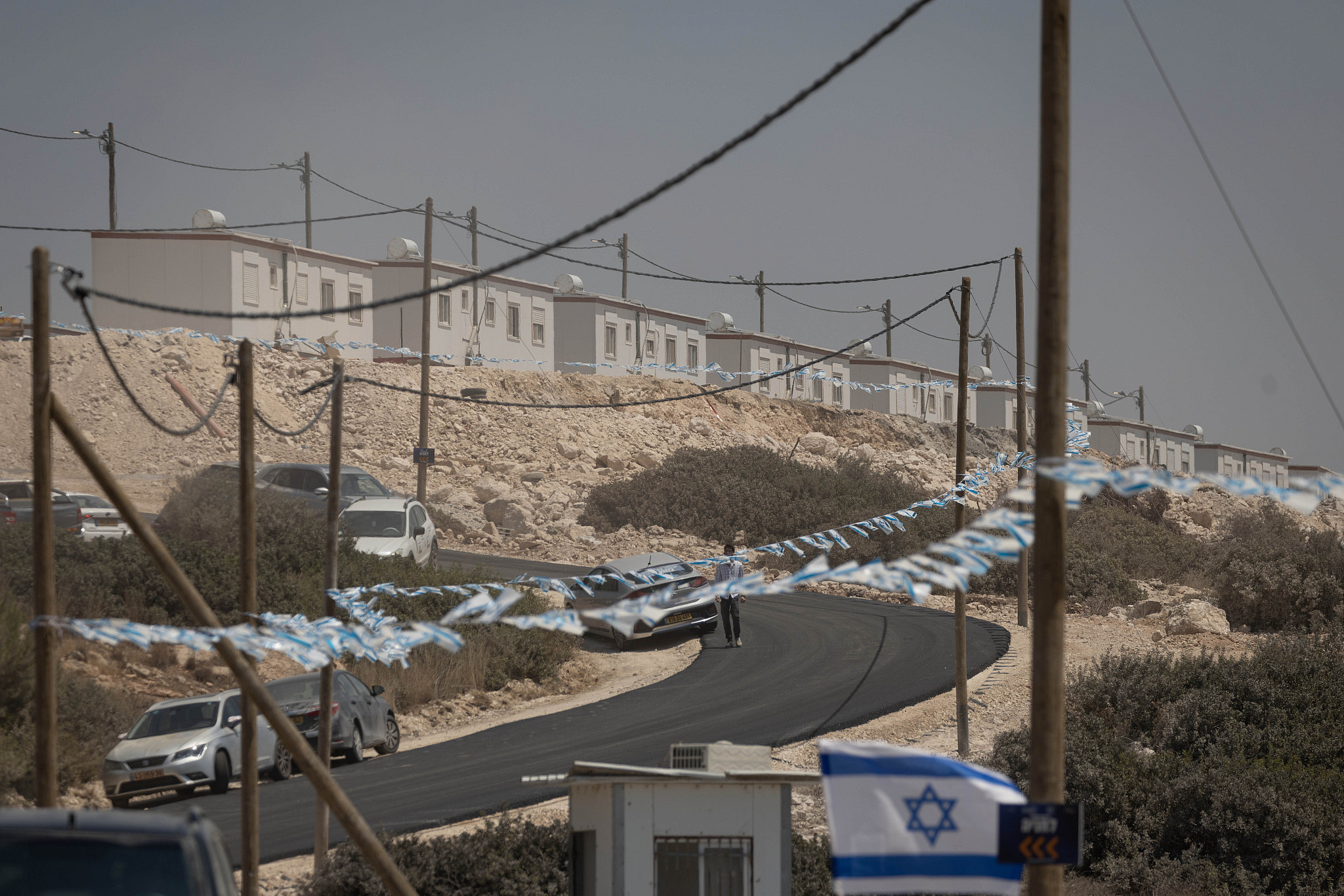
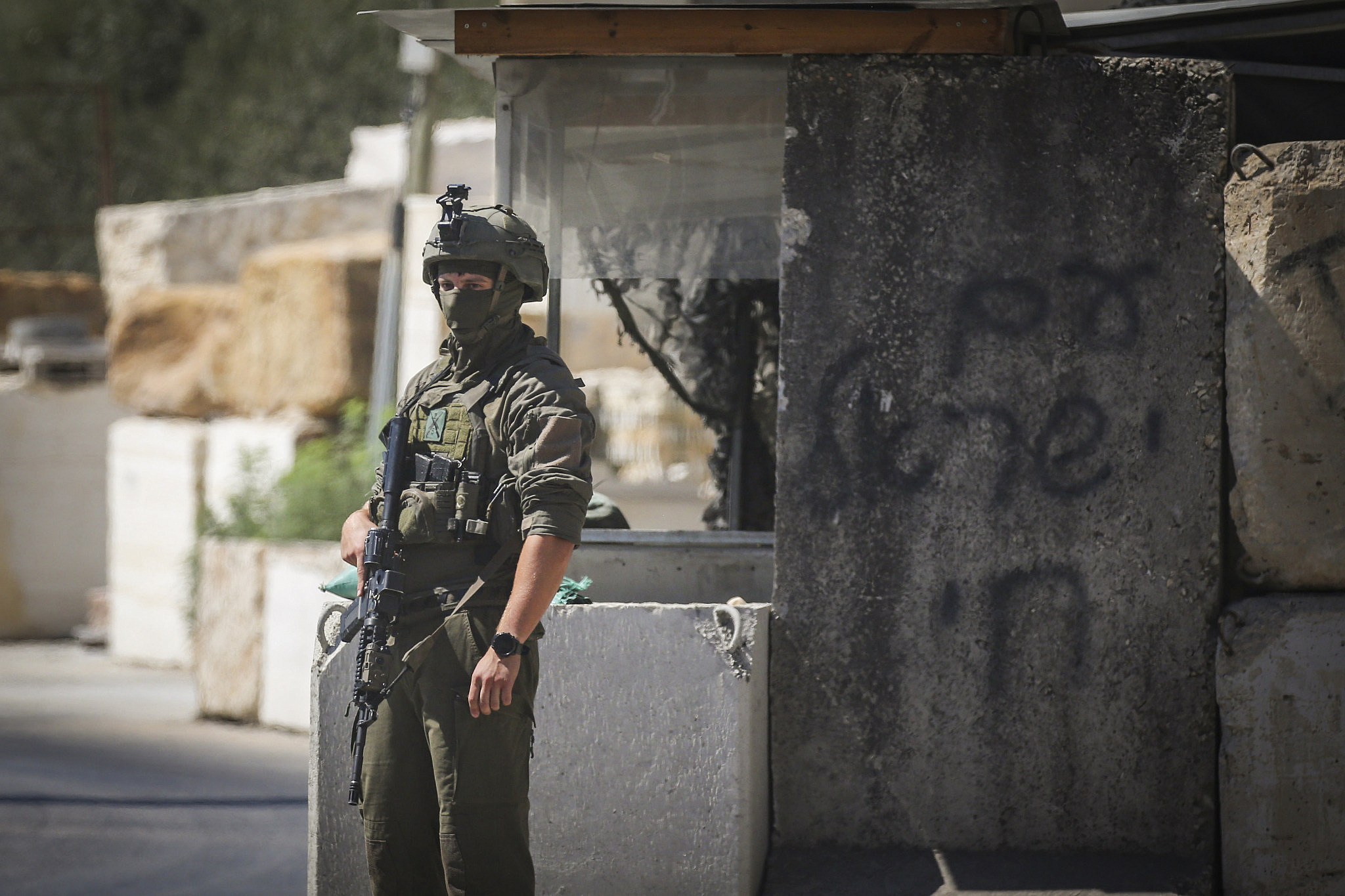
Six new Israeli military camps have meanwhile been established across Jenin, including one inside the city, with another still planned. In the quiet village of Abu Al-Sharqiyah, east of Jenin, this new reality came knocking fast. Ganim and Kadim, both dismantled more than two decades ago, have now returned to the area.
Over the past three years, the Israeli government has amended the Disengagement Law to allow Israelis to return to the evacuated settlements in the northern West Bank. With the return of Ganim and Kadim, Mayor Burhan Al-Azamtah told +972 Magazine, “the village is now surrounded, like a prison.”
“We have lands nearby, but people can’t go there now,” he said. “They are worried about taking their sheep to graze. There’s also growing fear about what this will mean for the upcoming olive harvest.”
In early August, the owners of more than 40 shops and other structures along the bypass road east of Jenin were surprised to receive demolition notices from Israeli authorities, in what residents say is an effort to isolate the eastern villages from the city. Twenty-six of the businesses were in Abu Al-Sharqiya, including a supermarket owned by Al-Azamtah himself.
“I put my goods in my house, and I will turn a small room into a storage space where I can sell them,” he said. “You have to find a way to manage, by any means, to protect your livelihood.”
The mayor estimates that 120 families depended on these structures to eke out a living. “This is a policy aimed at depriving people of their livelihoods,” he said.
The demolition orders come as residents also fear being cut off from their land during the October olive harvest, a major source of income for the village of nearly 800 people.
Tareq Ighbariah, head of the Palestinian Authority’s Colonization and Wall Resistance Commission (CWRC) in Jenin, told +972 Magazine that the settlement push “did not happen gradually — it came in one wave. It’s a race against time in Jenin. The situation changes every day.”
Ighbariah described an emerging settlement belt that is encircling Jenin while severing the governorate’s connections to neighboring areas and fragmenting the routes between the city and surrounding Palestinian villages.
From the south, he said, settlements are separating Jenin from Nablus and Tulkarm; from the east, another belt extends toward Tubas and the Jordan Valley. To the north stands Israel’s separation wall.
“Now, the settlement project has entered the heart of the governorate,” Ighabriah said. “It is separating the eastern villages, which are large population centers, from the city. It has also separated the villages to the south from the city, fragmented the governorate, and connected these settlement outposts to one another.”
Dror Etkes, founder of the Israeli settlement watchdog Kerem Navot, similarly described what is unfolding in Jenin as a “very aggressive, massive, comprehensive land-grab machine.”
“The whole package is coming in: settlements, settler violence, gates, Shin Bet [Israel’s internal security agency], military violence,” he said.
Etkes called the settlement enterprise a “terror apparatus” operating through two channels — “the settlers and the state working together” — with the aim of “completely breaking the contiguity of the rural Jenin region by building outposts and settlements and connecting them [to one another].”
Seizing land in Area A
That effort to connect the new settlements took a significant turn in July, when the Israeli military issued at least 15 land confiscation orders covering approximately 200 dunams, or 20 hectares, in Areas A and C of the Jenin governorate. The orders appear intended to clear the way for a road connecting the new settlements of Emek Dotan and Noa.
The orders followed a March 25 decision by Israel’s security cabinet approving both settlements as part of a package of 34 new settlements and outposts across the West Bank — the most extensive such approval to date in a single Israeli cabinet decision. The decision was only disclosed to the public in April.
According to Israeli media reports, Eyal Zamir, the army’s chief of staff, raised concerns during the cabinet discussion about the manpower burden created by establishing so many new settlements at once, warning that the army was already struggling to meet its growing operational demands.
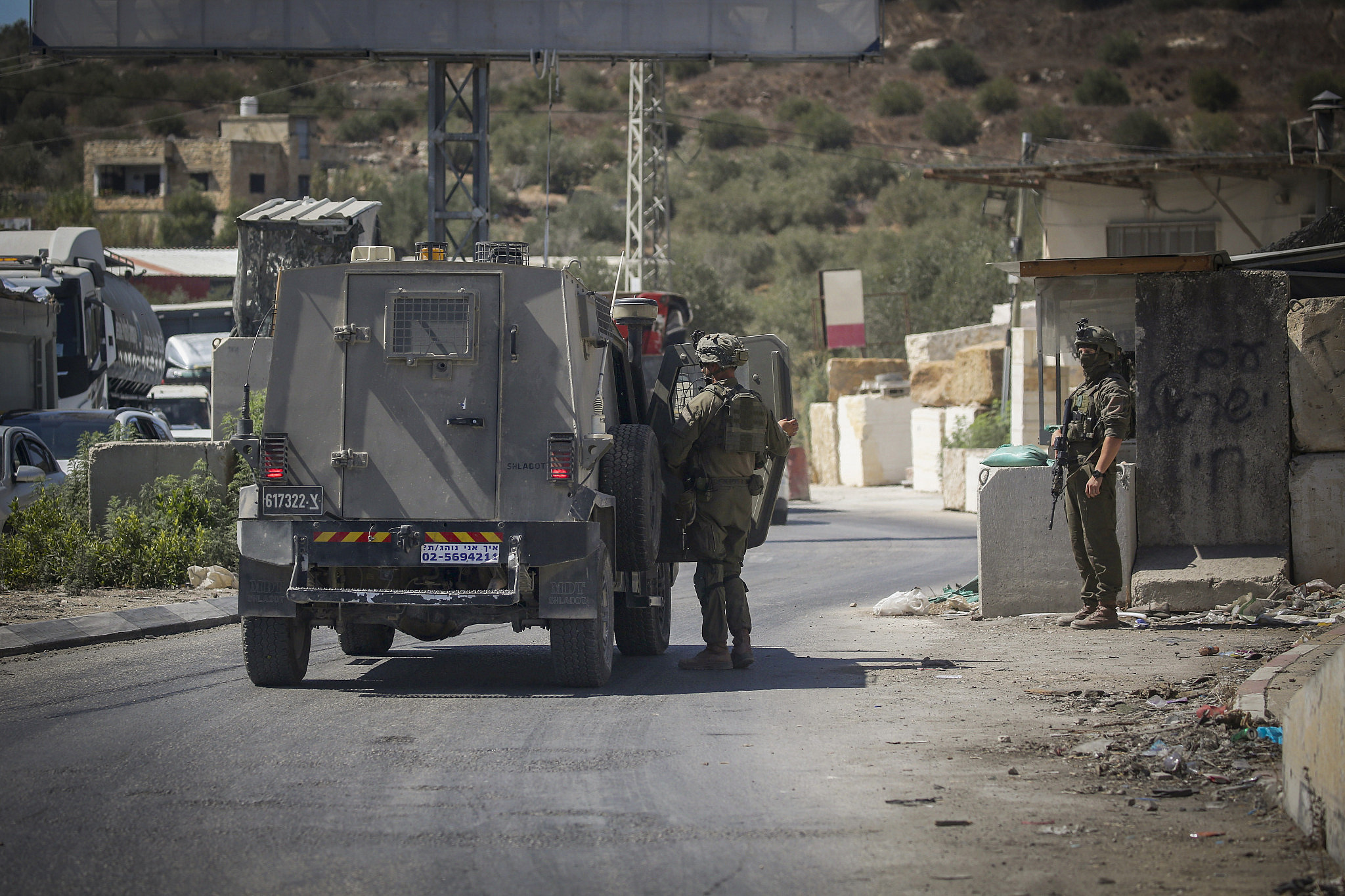
Emek Dotan and Noa were among five new settlements approved in the Jenin district in that decision. Although both were designated on what Israel considers “state land” in Area C, connecting them requires crossing Palestinian territory, including Area A. In July, Central Command chief Avi Bluth signed the 15 seizure orders to create that connection.
According to Peace Now, this is the first time since the Oslo Accords that military seizure orders have been used in Area A not for a clear or “temporary” security need, but to serve the needs of settlers.
Etkes pointed to the proposed road, which has not yet been constructed, as especially significant. “This is the most obvious Israeli violation of Oslo,” he said.
For him, the significance lies less in the amount of land being seized than in the purpose of the seizure. In May, the Israeli army issued orders to establish a military base inside the city of Jenin, as previously reported by +972. The July orders, he argued, go further: Rather than invoking a clear military objective, they use military seizure orders to create infrastructure linking Israeli settlements.
The planned road would connect a southeastern settlement bloc — including Ganim, Kadim, and Noa — with the Mevo Dotan–Emek Dotan settlement area. Etkes said the route also appears designed to bypass Qabatiya to the south, separating the town from villages to its south while linking Israeli settlements on either side.
+972 reached out to the Israeli army spokesperson for comment. Their response will be added here if and when it is received.
‘They want the land without its people’
In Arrabah, southwest of Jenin, the consequences of this expansion are already visible across the town’s fertile agricultural plain. Caravans belonging to the newly established Emek Dotan settlement can be seen from the village.
Arrabah is known for its olive groves, but residents say they increasingly fear they will be unable to reach their trees ahead of harvest. The Israeli army has uprooted trees in the area and further restricted access to farmland.
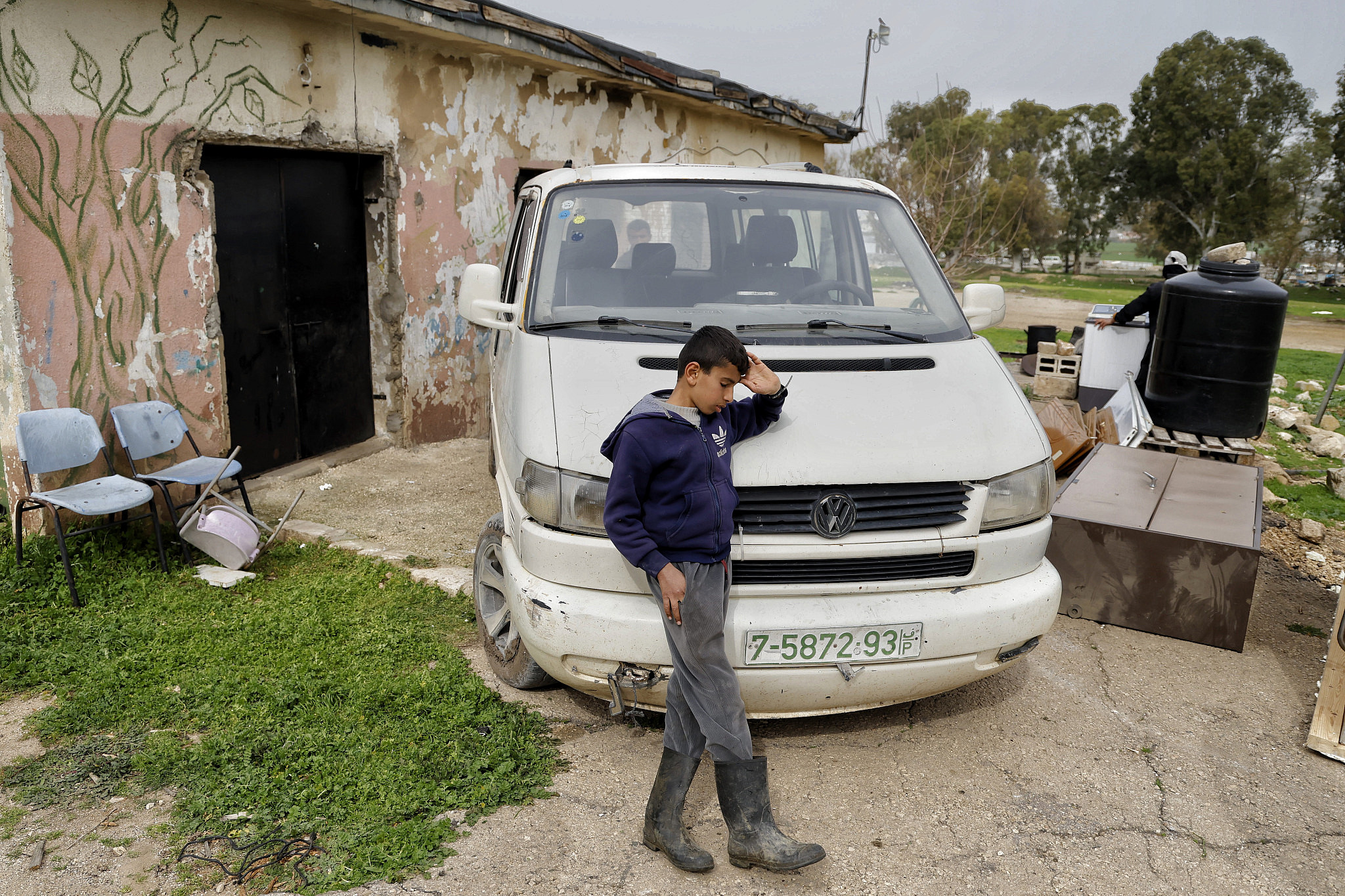
“The goal is displacement,” Arrabah Mayor Ahmad Al-Ardah told +972. “How is Arrabah any different from a refugee camp when I no longer have agricultural farmland? When they take this away from me, I am left with no choice but to live from one day to the next. How am I supposed to survive?”
Residents say the pressure is felt beyond agriculture. Thirteen commercial establishments have been demolished in the area, while another 54 businesses are located around Arrabah.
“The plain is being surrounded, and our olive-growing lands are under complete settler or army control,” Al-Ardah continued. “What is left for us? How are we supposed to live?
“This is about putting pressure on Palestinians in Arrabah and Jenin,” he went on. “The settlement expansion is taking over our agricultural lands, commercial areas, and other vital spaces. If all of these are taken away, what will remain for us? They want the land without its people.”
Nearby, Naim Al-Sha’er stood on his land and described how his life changed since Emek Dotan became a reality. Settlers, he said, have cut off his fig trees and severed his water pipes. “What did my water pipe do? What did the trees do?” he asked.
Al-Sha’er told +972 that he no longer allows his family to accompany him to the land because he fears for their safety. His wife calls him repeatedly whenever he is there. “I live in fear,” he said. “Whenever I have a guest, I open the door then lock the gate.”
Most read on +972


Settlers have also entered his property and threatened him and other nearby landowners, Al-Sha’er said, telling them that the land no longer belongs to them. “A settler comes around and tells me this is his land and he wants me to leave — the land I inherited from my family for generations.”
For Al-Sha’er, the threats are inseparable from the broader pressure on Palestinians in Arrrabah: farmland becoming inaccessible, livelihoods disappearing, and residents increasingly afraid to move through land they have cultivated for generations.
”People [in Arrabah] have lost so much,” he said. “Give me safety and I want nothing else. My dream was simple — cultivating this land, but they destroyed that dream.”