The National Archaeological Museum of Naples (MANN) houses some of the most important artistic and archaeological treasures in the world. There is the majestic Farnese Collection of classical sculptures, the Alexander Mosaic, and an unparalleled collection of frescoes and artifacts recovered from Pompeii and other ancient cities affected by the eruption of Mount Vesuvius in 79 AD.
On a recent Sunday, I decided to visit the museum with an Italian friend. As we entered, I was immediately struck by the enormous ancient Greek statues. Soft yellow light fell across the marble, lending the halls a quiet sense of reverence.
We moved on to the exhibit of objects recovered from Pompeii. I walked among the remnants of that catastrophe — from sublime frescoes to everyday kitchen tools and household decorations. Everything seemed majestic. I asked my friend approximately how many people had died in Pompeii. “Around two thousand,” she told me.
I felt as if the oxygen had been sucked from my lungs.
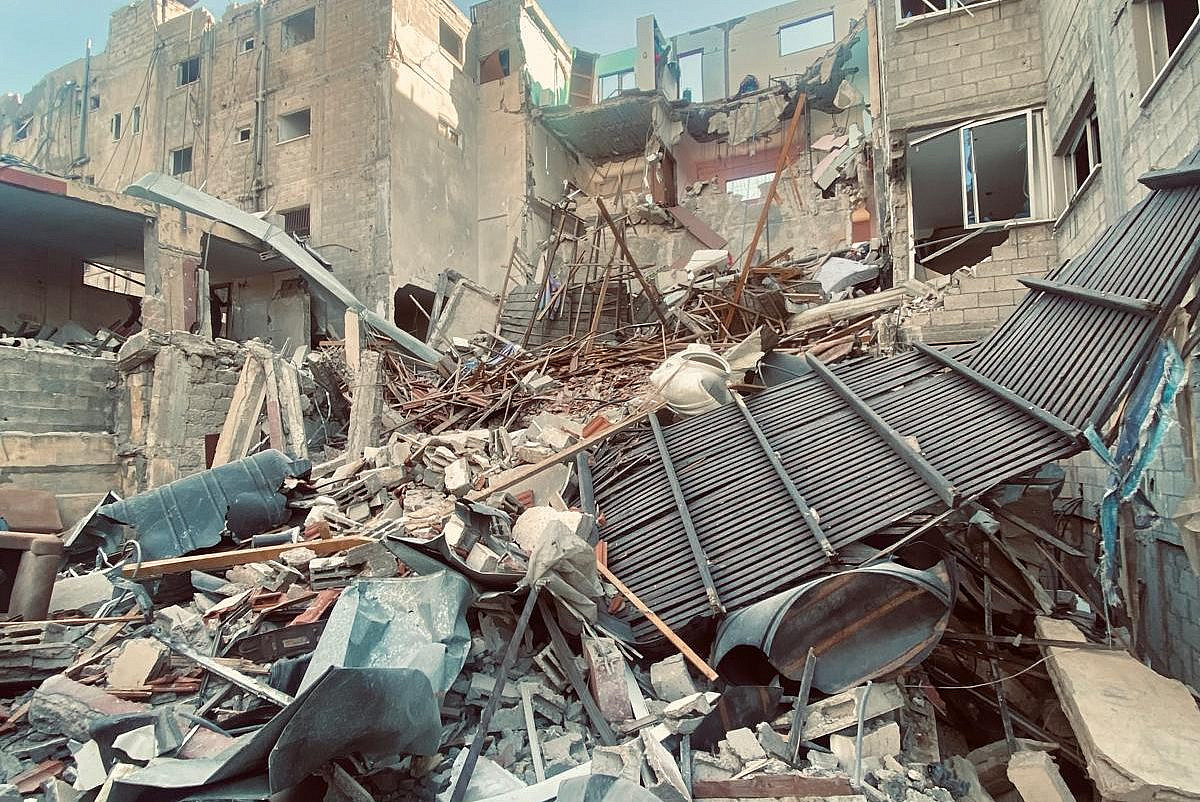
Just the day before, I had been working on a report about a series of Israeli bombardments on Gaza in late October 2023 that, in a matter of seconds, had killed more than 450 people — a small blip in the more than 75,000 Palestinians killed in the genocide. Standing in a museum, looking at kitchen tools that had survived for nearly two thousand years, I could not stop thinking about the thousands of homes Israel had erased.
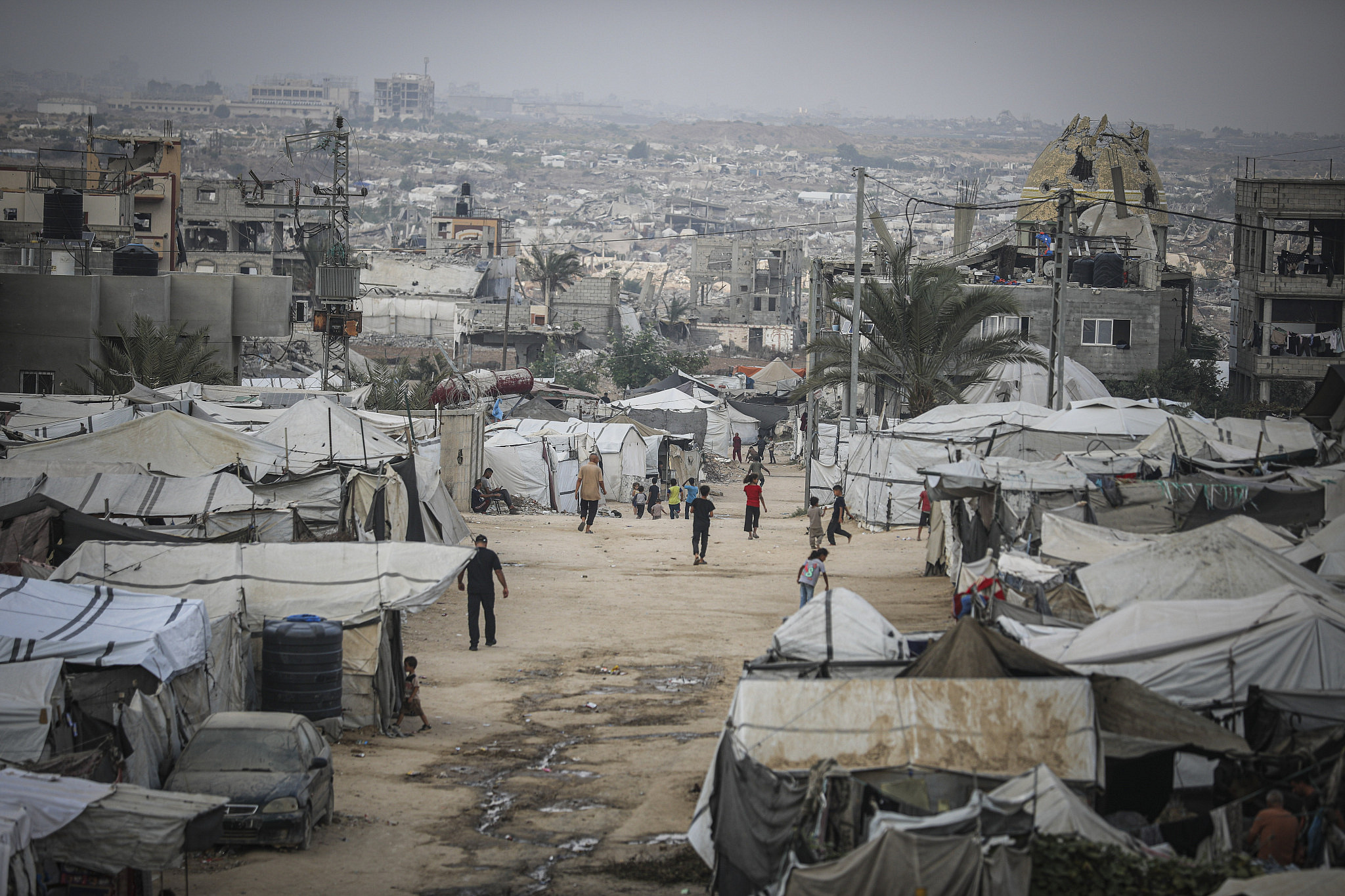
I began thinking about the difference between Pompeii and Gaza: that Mount Vesuvius had been kind enough to bury an entire city beneath lava and ash, preserving its history for future generations. Israeli forces, meanwhile, had pulverized and obliterated so much of Gaza that it was as if nothing had ever existed there.
I thought about the hand-embroidered frame that my sister Haya had spent nearly a year working on. Her home was bombed in May 2024. When I returned to salvage pieces of the destroyed wooden furniture to use as firewood, I searched desperately for the frame. I never found it.
Walking through the museum also brought me back to the stories my grandparents told me about the Nakba — about the homes they were forced to leave, the places they could never return to, and the belongings they were unable to save.
What happens to a person’s memory when their home is destroyed? What happens when the street where they grew up disappears? When there is no house left, no bedroom, no favorite cafe, no school, no photograph on the wall? And what happens when even the body itself cannot be recovered?
Four months ago, I left Gaza for Italy on an academic scholarship. But my mind is still there — and I’ve realized that I carry a different kind of museum inside me. It houses places wiped off the map. People who are no longer alive, voices I can still hear, and memories I fear will one day become the only evidence that any of them ever existed.
A familiar morning, three years apart
Leaving Gaza did not mean leaving the Israeli genocidal war behind. It only meant watching it from somewhere else — and, just as often, reliving it.
One recent morning, I awoke to the sound of Bach playing on my roommate’s stereo. I opened my eyes and peered out the window. Outside, passersby moved through the old streets of Chiaia in Naples. The smell of Italian espresso drifted from the kitchen, drawing me toward the table.
For a few minutes, it felt like an ordinary day. Then, as I usually do, I opened the news from Gaza. I scrolled through the latest updates, trying to understand what had changed overnight. Then I glanced at the date on my phone: October 7. It was almost exactly the same time of the morning when my life, and the lives of everyone in Gaza, had begun to change forever.

On that day in 2023, I woke up at my home in Gaza City’s Al Sabra neighborhood, preparing for the English-language mentoring classes I taught part-time. My parents were already staring at the TV early as images and videos of Hamas fighters and Israeli captives quickly spread across the news.
Israeli Prime Minister Benjamin Netanyahu soon announced that Israel was at war and vowed to respond with unprecedented force. He also urged people in Gaza to leave immediately — but we did not know what he meant. There was nowhere safe to go, and leaving Gaza was nearly impossible, with the borders largely closed.
The chaos in the streets, with crowds moving in every direction, was my first sign that we were entering wartime. I had already lived through multiple Israeli assaults on Gaza — in 2008, 2012, 2014, and 2021. We knew that Israeli bombs would kill innocent civilians. We were familiar with the sounds of explosions and the buzzing of drones, with hearing news of another strike and searching the list of victims for familiar names.
But the threats of retaliation coming from Israeli leaders in the hours after the Hamas attacks were enough evidence that this time would be worse.
Within days, the destruction of Gaza began to look unlike anything I had experienced before. Entire residential neighborhoods were being flattened.The places I knew, the streets I had walked through, and the buildings that carried memories of my childhood and youth were disappearing one after another.
That November, Israeli forces invaded Al-Rashid Street, which was the main north-south road running along Gaza’s coast. I had spent much of my free time there — horseback riding, walking with my mother, meeting friends, having coffee at sunset, or just enjoying the simple beauty of the cafes built from scrap wood and decorated by local artists.
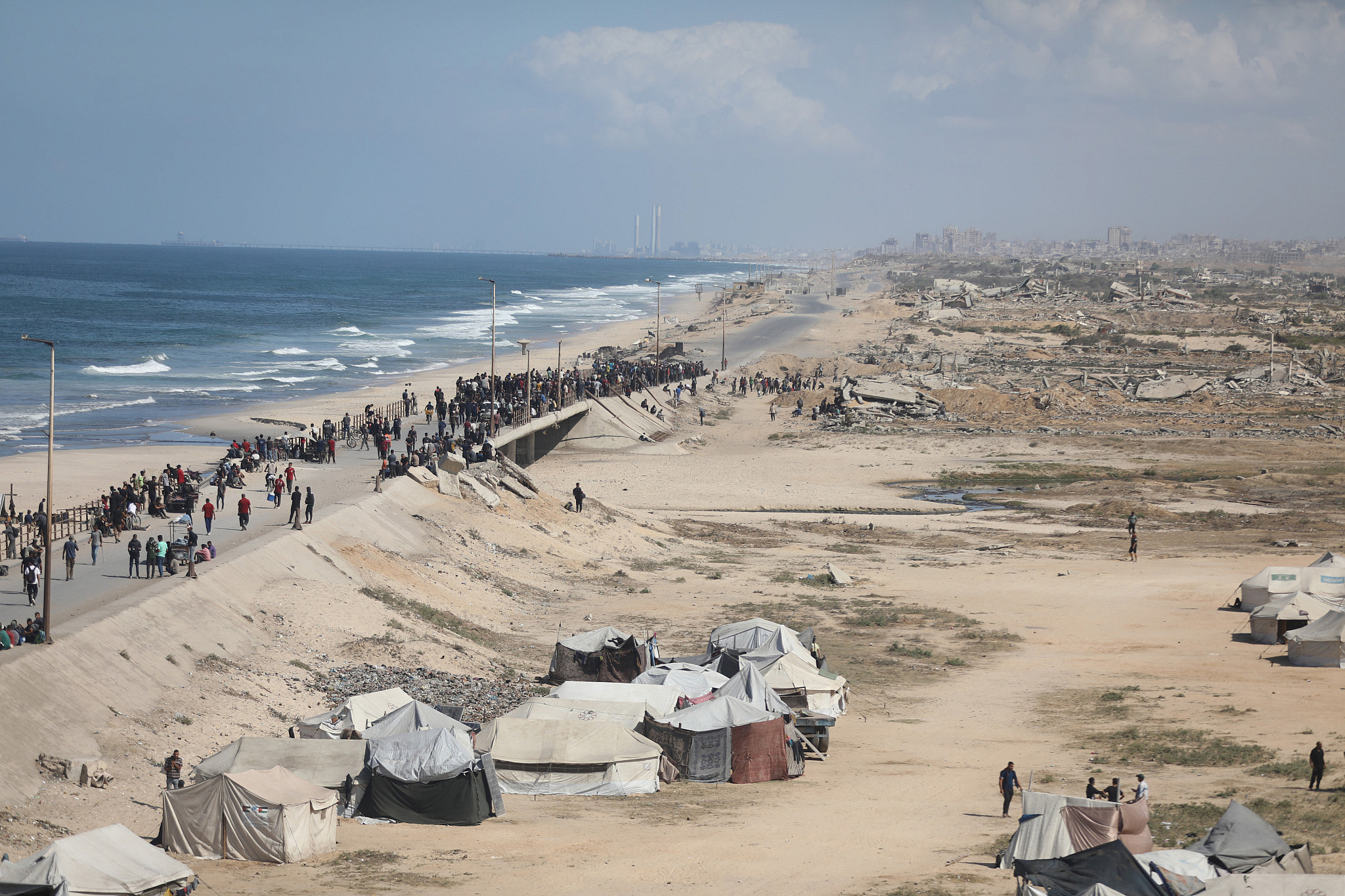
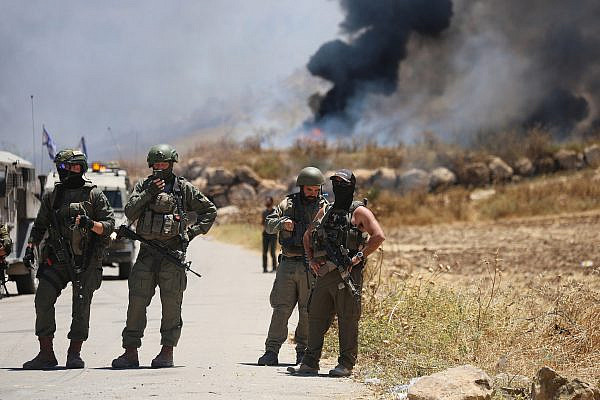
I watched videos on social media of Israeli soldiers relaxing beside their tanks, with the charred remains of restaurants and houses that once lined the beach behind them. Among those places was the SeaSide Café and Restaurant, at Crossroad 17 along the coast. It was the place where my friends and I used to stop for a cup of coffee whenever we went horseback riding.
Later, I came across a video showing the restaurant reduced to rubble, with two tanks parked nearby.
I began to believe we would all be killed
Day by day, Gaza was becoming harder to recognize. But there was no time to grieve. Every day brought news of more relatives, friends, colleagues, and neighbors killed. Before we could begin to process one death, we learned of another.
In October 2023, my neighbor Hind, who was like a sister to me, was killed in an Israeli airstrike on her home in the Al-Zaytoun neighborhood of eastern Gaza City. I learned of her death from another neighbor while I was drinking coffee. I remember laughing in shock when he told me: The news was almost impossible to believe. Just two days earlier, I had been chatting with her on WhatsApp. I kept asking whether she really was gone. I couldn’t cry.
A few days later, Huda, a young journalist I was mentoring, was killed with her children in Tel Al-Hawa, west of Gaza City. I discovered the news on X, during a brief moment when I managed to secure an internet connection. I returned to the last message we had exchanged a week earlier and sent her another text, hoping the news was not true. She never replied. I couldn’t cry.
Then another friend, Youssef Dawas, was killed in Beit Hanoun in northern Gaza. Then my uncle Alaa. Then my professor and friend, Refaat Alareer. Then my uncle Ayman, both of my grandparents, five cousins, and my best friend, Ahmed Kaid. I began to believe that all of us in Gaza were going to be killed, and that it was only a matter of time.
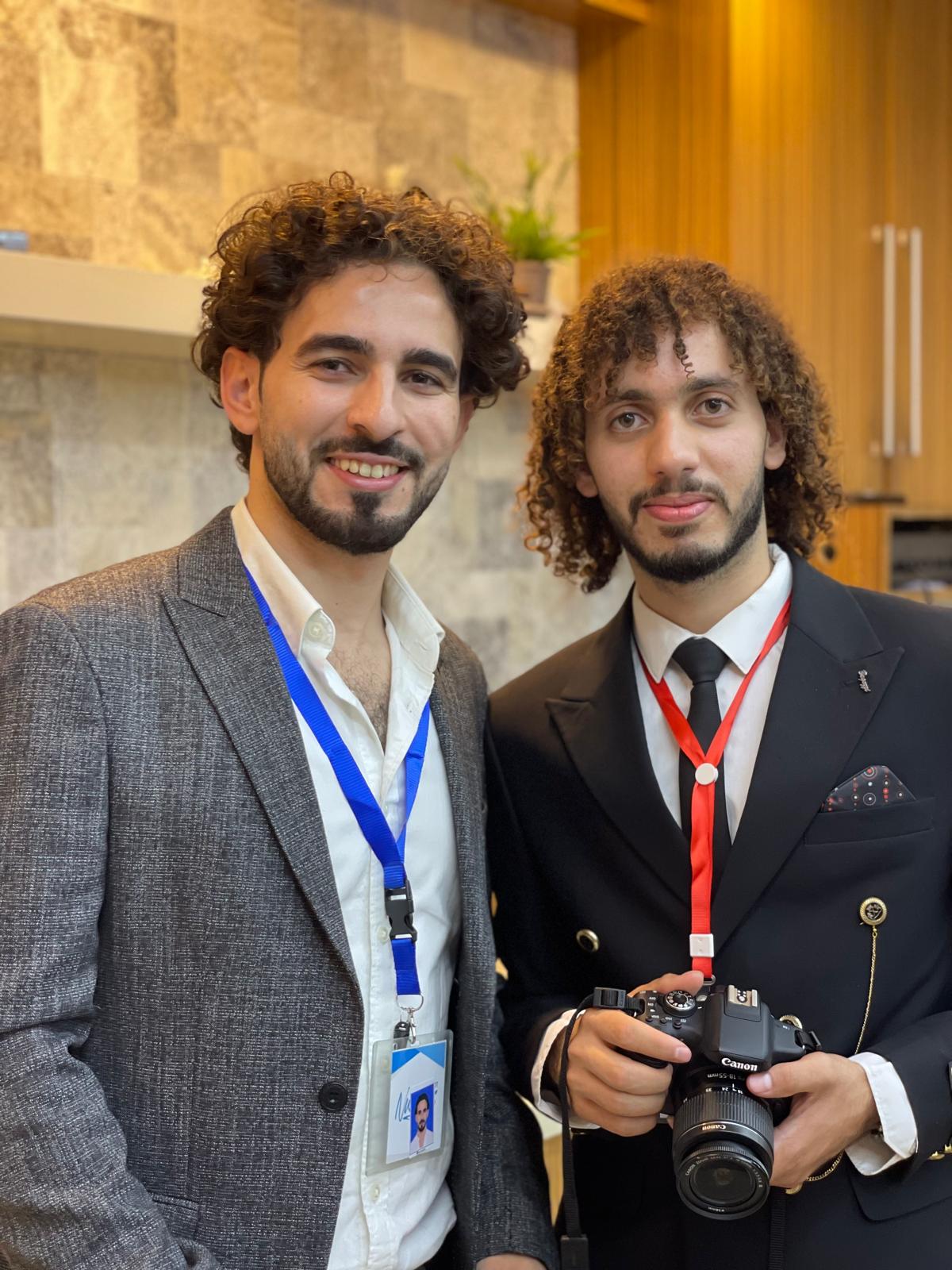
Ahmed and I had grown up together. He had spent years saving money to marry the woman he loved and build a better life despite the hardships of living in Gaza. Just days before the war began, he had been telling me about the decorations he wanted to put up in his room at his family’s home.
Ahmed was generous in ways I will never forget. He would share sweets with children in our neighborhood, whose faces would light up whenever they saw him coming. Of all my friends and family, he made the best coffee. He was the person we called whenever something needed fixing — a broken car, an electrical problem, a paint job, Ahmed would find a way to help. He loved long walks, which he said cleared his mind and gave him time to think about his future plans. He had so many plans.
On November 17, 2023, he left his home to buy food. He never came back. His body was torn apart by an Israeli drone strike as he made his way to the market.
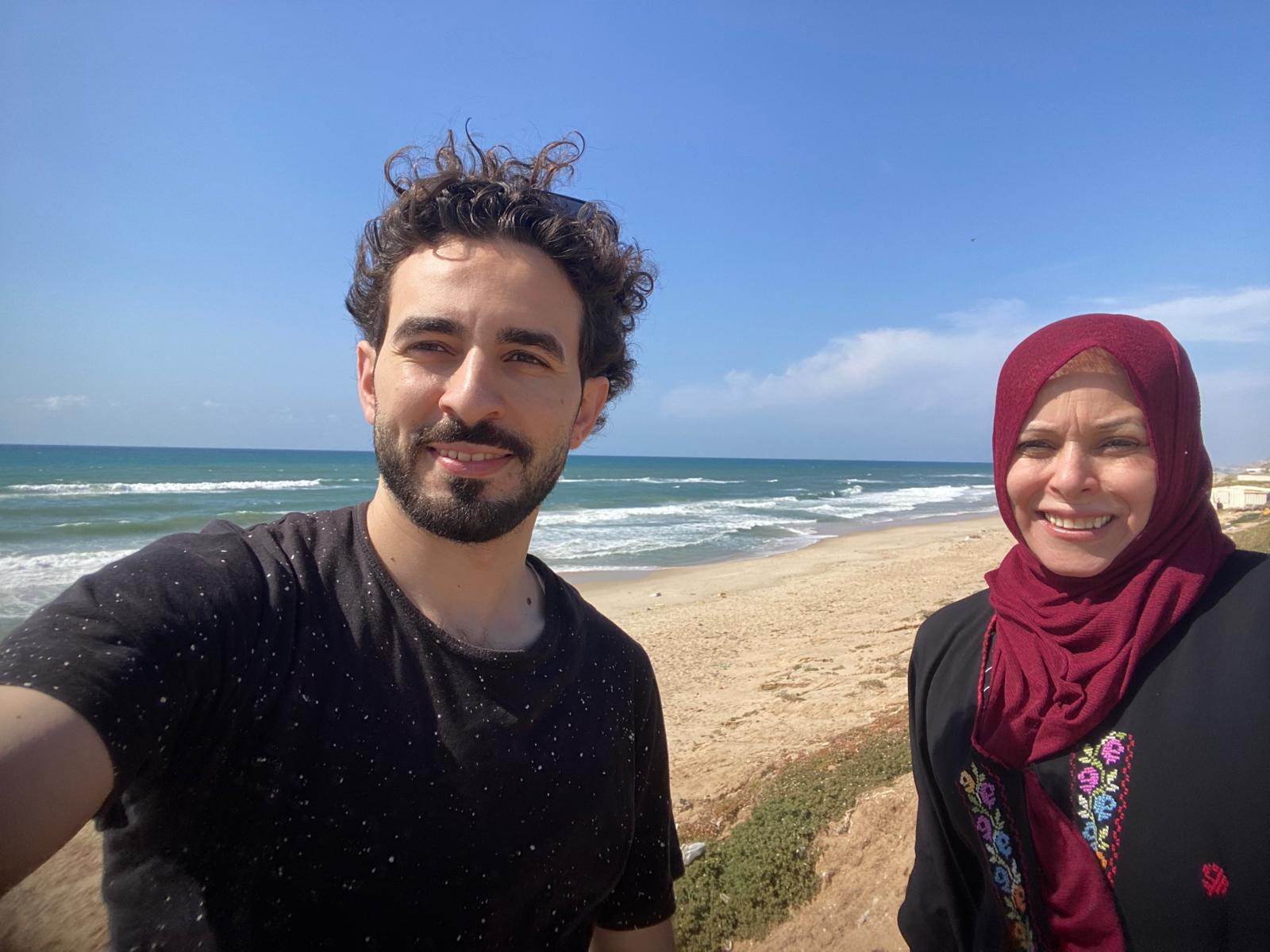
Meanwhile, my mother’s health was deteriorating. She had been diagnosed with diabetes before the war, and to get some exercise, she and I had often walked along the beach in the evenings.
But these walks had become something more: We talked about books and films, my plans to travel, and the places I wanted to see one day. She dreamed of going to Mecca. She wanted to see me get married and meet my children.
Our relationship was more like a friendship than a traditional mother-son relationship. I told her things I never told anyone else. But when the war began, the ordinary life we shared disappeared.
Our home became a shelter for many relatives. My mother cooked for dozens of people, baked bread, washed clothes without electricity and read stories to frightened children while explosions shook the neighborhood.
She gradually grew weaker. When she could no longer get the medicine and medical care she needed, we began trying to get her out of Gaza. The last time I saw her was in April 2024. She was standing at the door of our home with my father, preparing to leave for Rafah and then cross into Egypt.
We did not say goodbye. We did not hug. We did not take a photograph. We behaved as though refusing to say goodbye could protect us from what we already knew was possible. “Take care of yourself and your sisters, habibi Ahmed,” she told me.
“See you soon,” I replied. And I believed I would. She crossed into Egypt, while I remained in Gaza. The next day, doctors diagnosed her with advanced pancreatic cancer. She had survived the bombs, displacement, and hunger. But she never made it home. She died in Egypt after a year-long course of treatment.
The fear of forgetting
After my mother died, the hope of simply surviving began to fade. Death no longer felt like something distant or unimaginable.
I turned even more deeply into writing things down. I wrote about carpet bombing, mass death, displacement, the collapse of the medical system, and the people trapped in northern Gaza. I reported on these events not as a bystander journalist, but as someone through them.
I wrote about people struggling to survive while my family and I were struggling, too. I wrote about hunger and the way people were losing weight as famine took hold, while my family and I sometimes could not find even a few pieces of bread to eat.
I wrote about the loss of privacy, the heat, rodents and the difficult conditions of displacement in tents, while my own family was living in a tent. I wrote about people killed or injured by Israeli snipers and quadcopter gunfire, while my sister Diana and I were injured by bullets that had struck us inside our home. I wrote about the psychological impact of the war on children in Gaza, while my nephews and nieces were experiencing PTSD and other forms of psychological distress.
I wrote so many stories in which I found pieces of myself between the lines. Eventually, I was evacuated to Italy on a scholarship.
Most read on +972

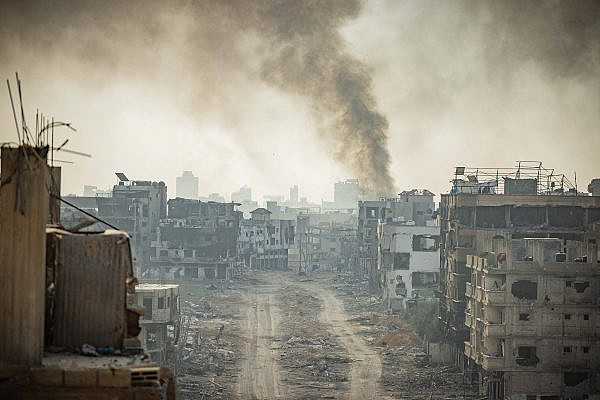
When I left Gaza, I was afraid of forgetting things: the sound of my mother’s loving voice when she used to wake me in the mornings; my uncle Ayman’s booming laughter that would fill up a room; the aroma of traditional falafel shops lingering in the alleyways that remained; the sun sinking into the sea. But I’ve come to realize that many things remain alive inside us, and become an inseparable part of our identity.
It took me weeks to understand the experience of daily life outside of Gaza. Riding a train, using Google Maps, or watching large boats move freely across the sea felt almost surreal. I’ve yet to grow accustomed to my uninterrupted access to electricity and an internet connection, or sleeping deeply without the fear of bombs or the sound of Israeli drones.
But every time I begin to settle in, I think about my people in Gaza, who are still struggling to survive another day. How much longer must they endure this living death before they are allowed simply to live?