
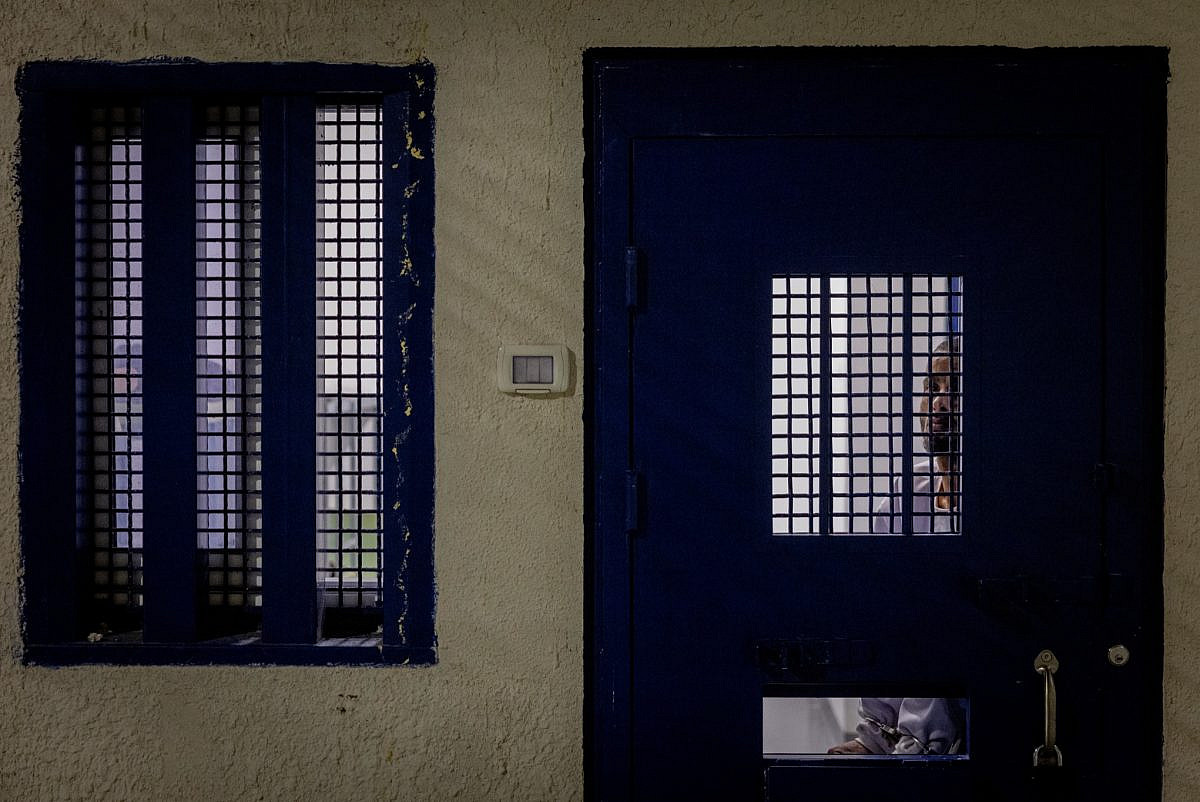
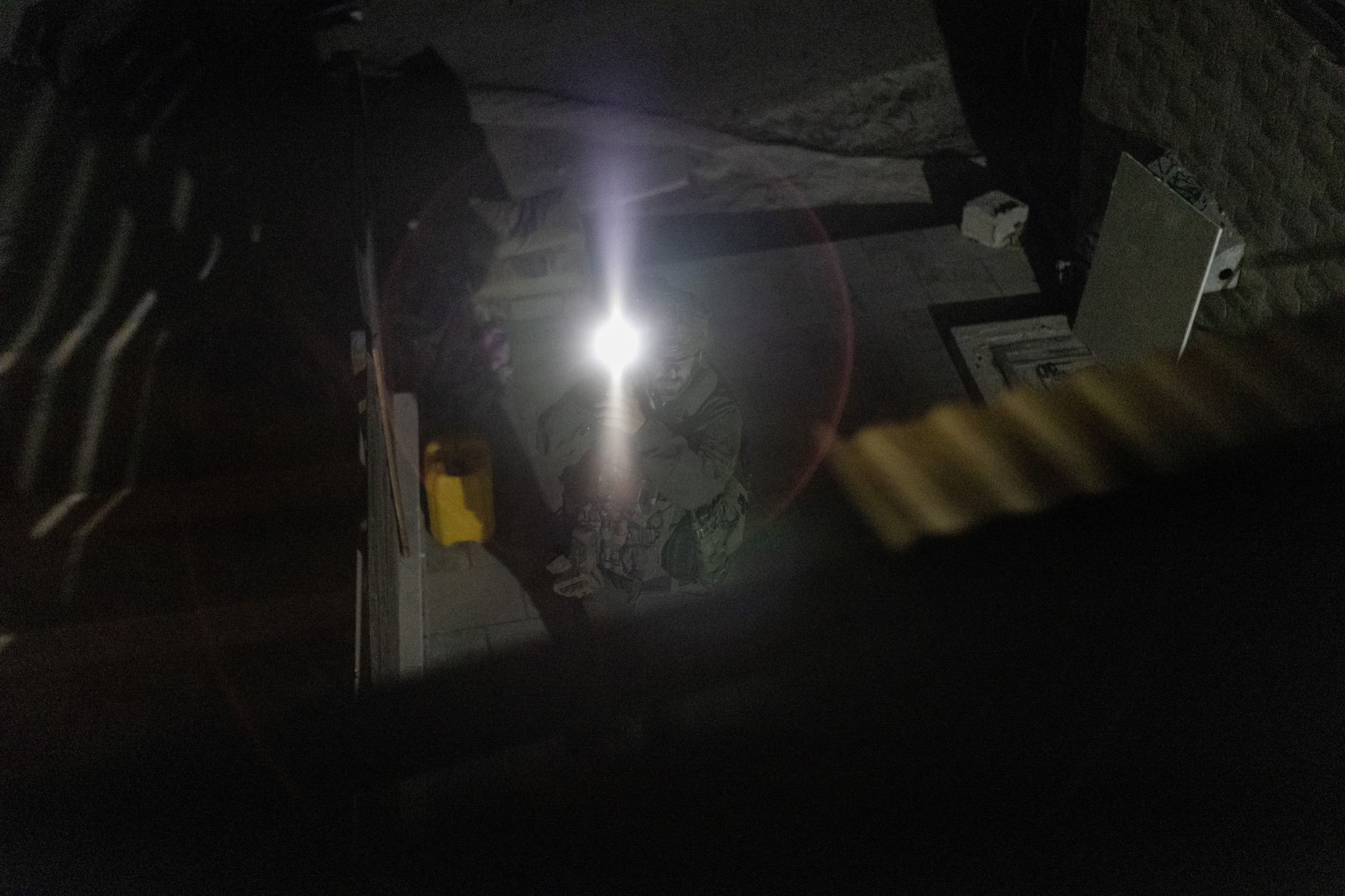
In the middle of the night on Feb. 15, 2025, Ahmed awoke to a commotion outside his home near Ramallah in the occupied West Bank. Still groggy, he approached the front door, when some 50 Israeli soldiers began forcing it open.
“I had to move back; the door almost hit my face,” Ahmed told +972 Magazine. The soldiers demanded to see his 15-year-old son, Zaid. But when Ahmed led them to the boy, they thought he had misled them. “One officer said, ‘That’s a different one, this one is too small and young,’” Ahmed recalled.
Zaid was the boy they wanted. When he resisted, the soldiers beat him. His mother, Layla, pleaded with them to stop, “but that made them even more aggressive,” she told +972.
The soldiers dragged Zaid outside and threw him into a military jeep. Their commanding officer would not tell his parents where he was being taken or why.
As the jeeps disappeared into the night, Ahmed and Layla hoped he would be released quickly. Such arrests are often brief, usually lasting only a few days, but frequently occur as part of the thousands of Israeli military raids in the West Bank: the UN Office for the Coordination of Humanitarian Affairs (OCHA) documented 7,500 in the first nine months of 2025 alone.
Zaid is just one of hundreds of Palestinian children that have gone through the Israeli prison system in recent years. At the end of June 2026, according to Israeli human rights group B’tselem, the Israel Prison Service (IPS) was holding 376 Palestinian minors on “security grounds,” as well as 94 for being in Israel illegally. Three years earlier, according to a UN report, a third as many Palestinian minors were being held in Israeli prisons — suggesting a sharp rise since the October 7 attacks.
Interviews with Zaid and his family, another detained teenager, and child rights advocates show how that system operates, from arrest through interrogation and prosecution: children taken from their homes, pressured to confess, repeatedly remanded in custody, subjected to severe prison conditions, and cut off almost entirely from their families. The names of the teenagers interviewed for this story, as well as Zaid’s parents, have been changed for their safety.
After Zaid was taken from his home, Layla recalled, “We stayed up until the sun came out, and then my brother called the Red Cross.” By the time the family secured legal representation, Zaid had confessed to throwing stones. He now vehemently denies the allegation and says he confessed after hours of beatings.
Still, that confession allowed Israeli military prosecutors to issue formal charges against Zaid. He would spend the next nine and a half months behind bars. His time in detention, he said, brought repeated beatings, starvation, illness and almost no contact with his family.
‘Don’t talk, just sign’
Since 1967, approximately one million Palestinians have been detained by Israel, with some estimates calculating that up to 40 percent of Palestinian men have been arrested at least once in their lives.
Palestinians tried in Israel’s West Bank military courts can spend long periods in custody before a trial begins. Hearings are regularly postponed, extending pretrial detention for months or longer. A separate measure, administrative detention, allows a regional military commander to hold someone without charge or trial for up to six months. Evidence is generally classified on “security grounds,” and judges can renew the orders repeatedly and indefinitely.
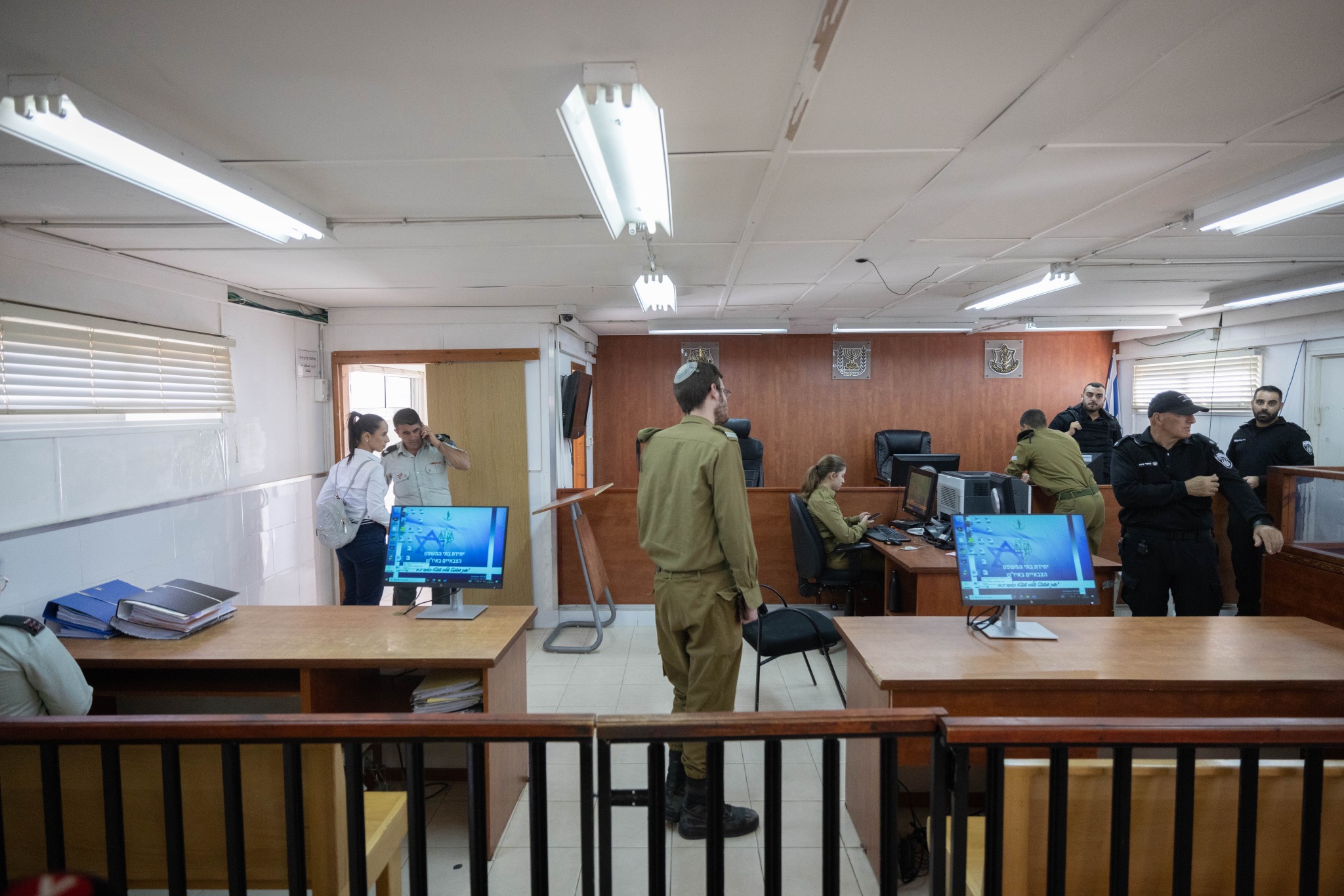
The number of Palestinian minors held in administrative detention has risen sharply. Figures from Parents Against Child Detention (PACD) showed 191 minors held in March 2026, up from 103 a year earlier. Fifty had been detained for over a year, compared with six the previous year.
Advocates say conditions have noticeably deteriorated since October 2023. “The detention of Palestinian children and the systematic prosecution in military courts is nothing new. This is a decades-long crisis,” Alexandra Saieh, head of Global Strategic Influencing and Policy at Save the Children International, told +972. “But we have seen a worsening of the situation.
“Children [in administrative detention] often don’t even know why they’re being held, and their parents don’t know either,” she added.
In Zaid’s case, however, the violent interrogation allowed Israeli authorities to charge him with stone throwing, and jail him for a prolonged period. Saieh said Save the Children has received multiple reports of “children being forced to sign things that are not in a language they understand, let alone in the presence of legal counsel.”
Fifteen-year-old Ibrahim, from Al-Arroub refugee camp, described a similar attempt to +972. In January, soldiers broke into his family home, destroyed furniture and took him to a military base in a nearby settlement. At Beitar Illit, he said, they accused him of throwing a Molotov cocktail and beat him during interrogation. They forced him to strip to his underwear, denied him permission to use the bathroom, and, at one point, a soldier offered him a cigarette before extinguishing it on his arm.
Interrogators told Ibrahim that his friends had testified against him. “I told them I had nothing to do with this. I only went from school to home and home to school,” he recalled.
Officers pressed him to sign a confession in Hebrew. Ibrahim refused, saying he did not speak the language. When they brought one in Arabic, he told them he could not read. The following evening, his family learned he had been released, and his uncle went to pick him up.
But while Ibrahim was released because he did not sign a confession, Zaid was coerced into one that prolonged his detention. At the Beit El military base, a commander asked what he had done the day he was arrested. Zaid said he had been with friends. “I don’t like your story,” the commander replied.
Then, Zaid said, the beatings began. He later learned that two of his ribs had been broken. “It hurt so much I couldn’t breathe, and it’s then that I told them what they wanted to hear,” he recalled. “After I said I threw stones, he stopped beating me, and this is how I knew it’s what he wanted to hear.”
He was handed a document to sign. “I asked them what was written because I don’t speak Hebrew, they told me don’t talk, just sign.”
Inside Megiddo
Since becoming Israel’s national security minister in 2022, Itamar Ben Gvir has repeatedly publicized visits to prisons and celebrated harsher conditions for Palestinian detainees. This posturing has only intensified ahead of the October 2026 elections.
In a recent video shared with his followers, the national security minister confronted Palestinian women who complained about detention conditions and said he was “proud that we have succeeded in reducing the terrorists’ prison conditions to the bare minimum.”
For Zaid, the harsh conditions Ben Gvir celebrated were part of daily life at Megiddo prison in northern Israel, where he spent most of his detention.
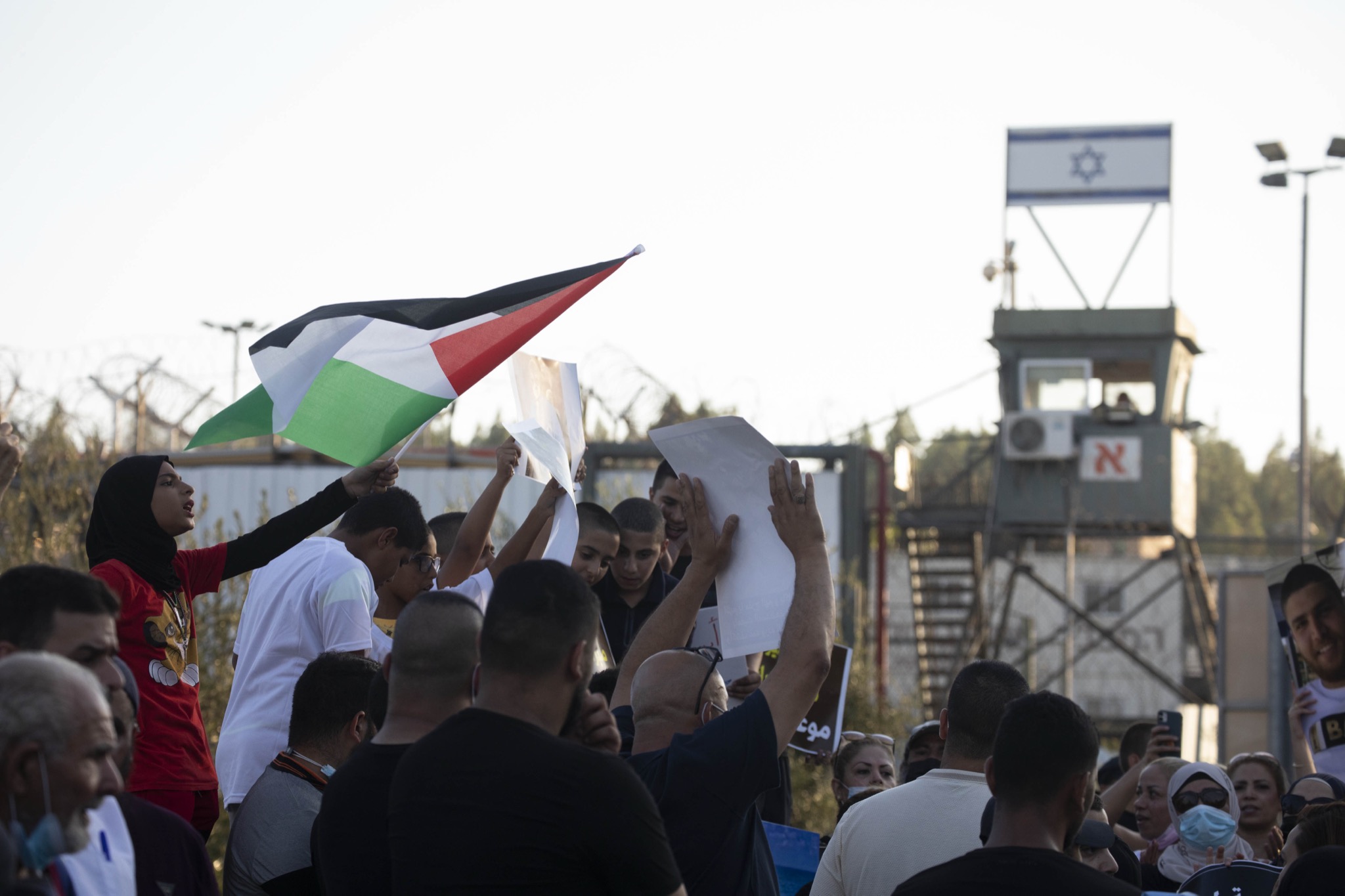
He said he shared a cell with ten other boys under lights that stayed on around the clock. He first spoke with a lawyer four days after his arrest, at a court hearing. It was the first of many hearings that ended in adjournment and an extension of his detention.
Alongside frequent beatings, he recalled prolonged hunger. “They used to bring one plate of rice for 10 prisoners,” he said. Ramadan began roughly two weeks after his arrest. Guards continued delivering meals during the day, when the boys were fasting; by sunset, the meager food had sat out for hours. “The food would be hard like a stone, and also rotten, we all developed stomach issues,” Zaid said.
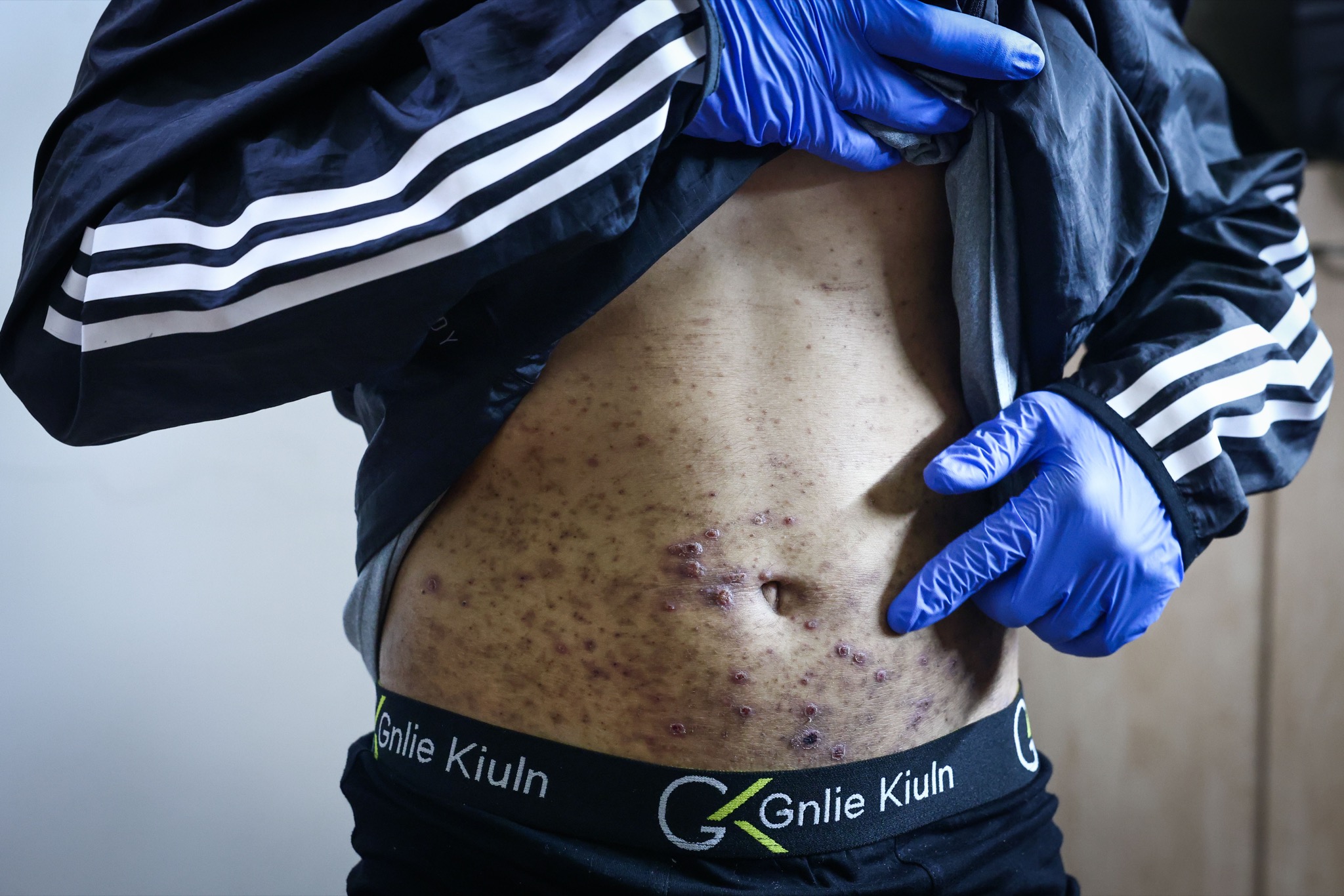
Like the other boys in his cell, Zaid contracted scabies, a skin infestation caused by mites. One cellmate, 17-year-old Walid Ahmed, was sicker still. He had suffered weeks of severe diarrhea, dizziness and vomiting, and was repeatedly denied medical treatment despite his pleas.
On March 22, about a month into Zaid’s detention, Walid collapsed during their daily trip to the prison yard. He struck a pole, and blood gushed from his face as the boys screamed for help. Guards put the motionless teenager in a black bag and dragged him away.
“After Walid died, they were a bit worried, they started giving us medicine,” Zaid recalled. “But it was useless as we were all already infected by scabies.” An Israeli doctor later concluded that Walid had suffered extreme malnutrition, with severe weight loss and muscle wasting. To date, he is the only Palestinian minor known to have died in Israeli custody.
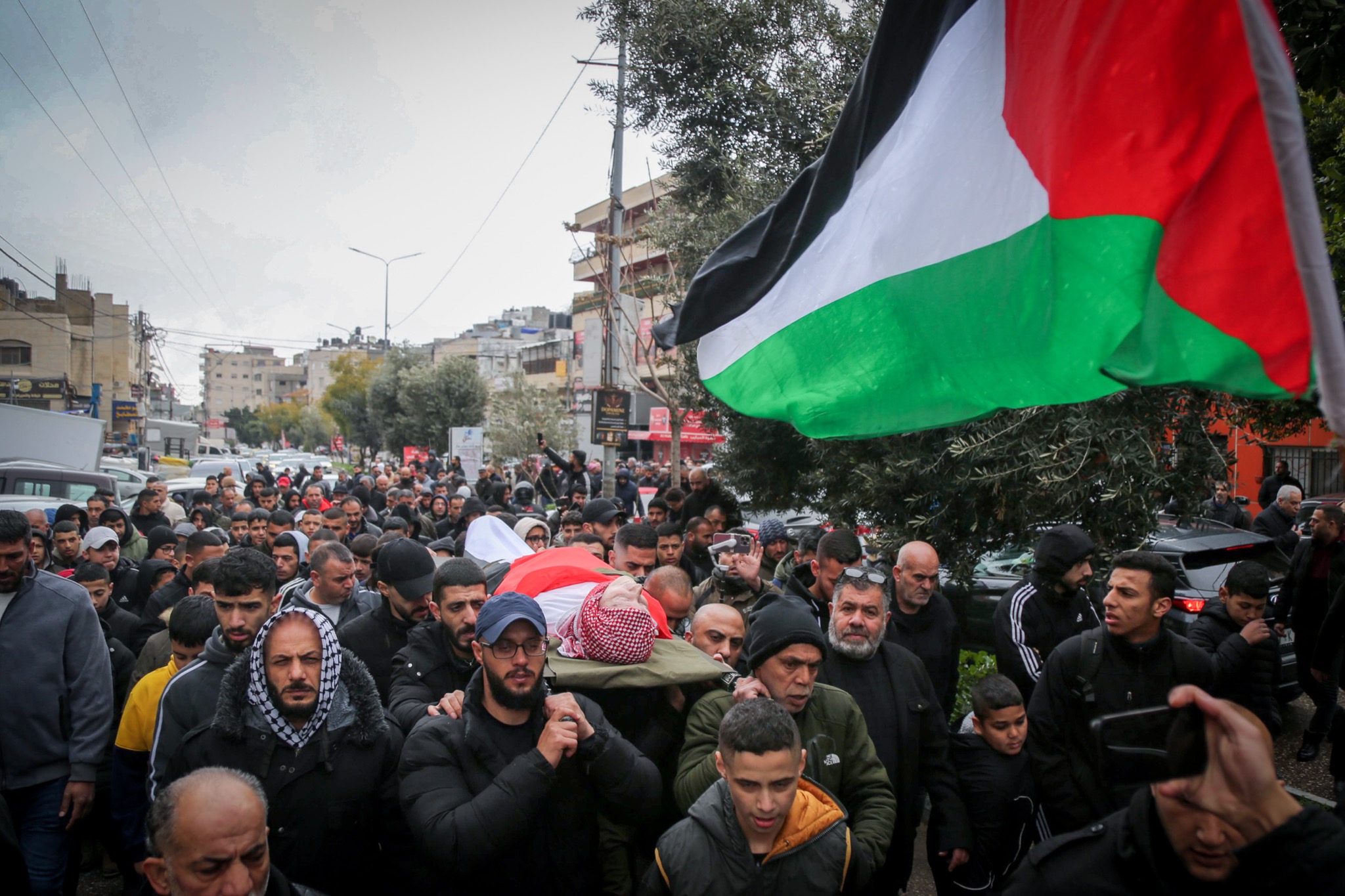
Sari Bashi, executive director of the Public Committee Against Torture in Israel (PCATI), told +972 that “torture and other forms of cruel, inhumane and degrading treatment have become systematic for Palestinian detainees, and I’m sorry to say that includes children.”
Human rights groups and international bodies have long called on Israel to change its treatment of Palestinian children in detention. In June 2026, the UN concluded that arrests and detention helped create a “pervasive sense of hopelessness among children […] that does not require constant bombing to remain effective.”
Khaled Quzmar, former head of Defense for Children International-Palestine, sees the practice as part of a broader effort to make Palestinian families’ lives in the occupied territories untenable. “It’s part of a policy of transfer — to complicate the life of the family by taking their children, who in turn lose their education, lose their health, and lose life,” he told +972.
Beyond the West Bank
In East Jerusalem, Palestinian children are generally processed under Israeli civilian rather than military law. Those accused of broadly defined “security offenses” — a charge levied almost exclusively against Palestinians — can nevertheless face “secret” evidence, restricted access to attorneys and fewer procedural protections than defendants accused of ordinary crimes.
Children in Gaza face an entirely different legal regime. After Israel withdrew its permanent ground forces and settlements from the Strip in 2005, military law was repealed. Gazans suspected of taking part in hostilities against Israel, including indirectly, could instead be detained under the 2002 “Unlawful Combatants Law,” which permits indefinite detention without trial.
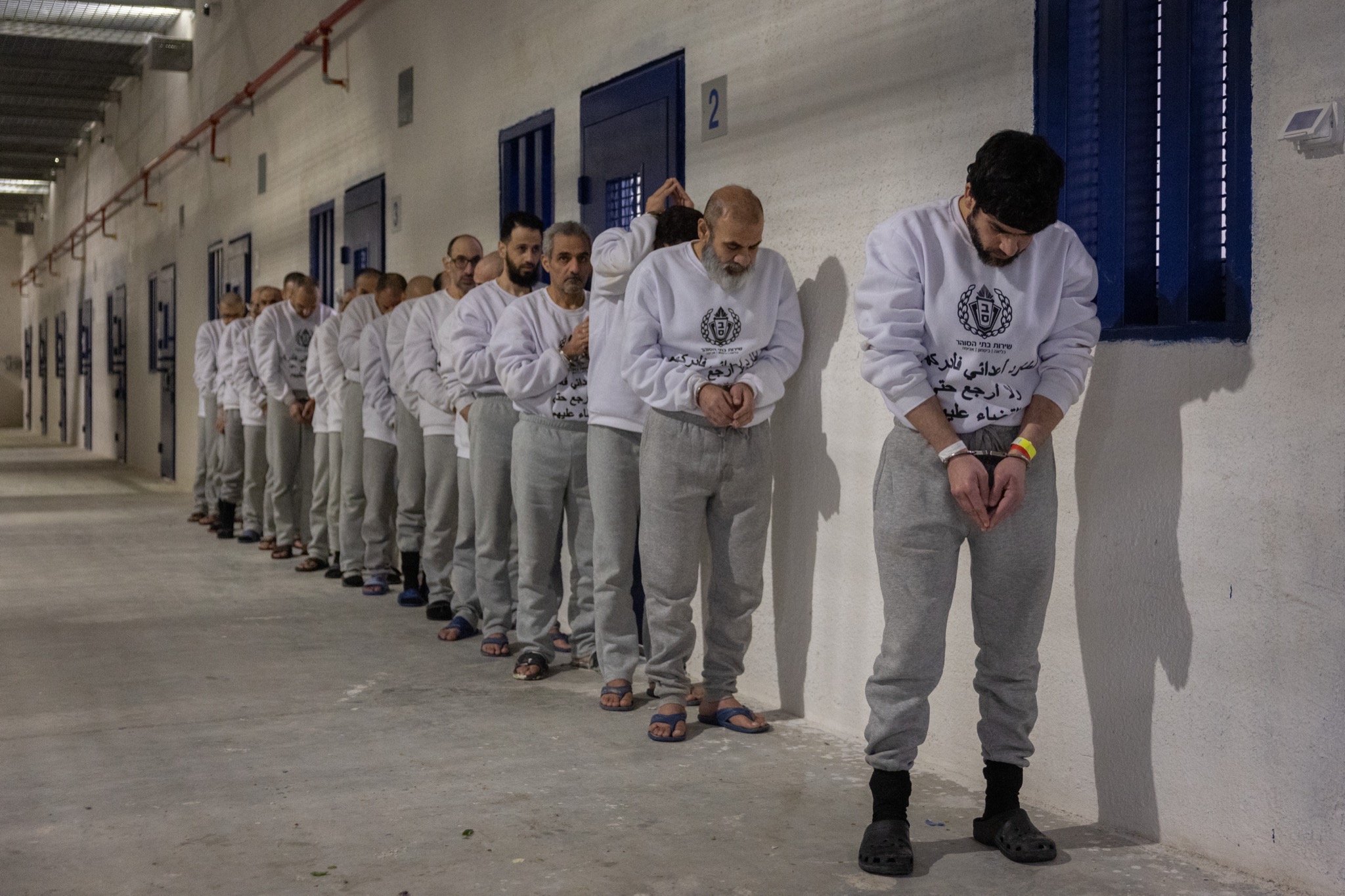
“According to the Israel Prison Service [IPS] data available to us, there are currently around 5 to 7 children from Gaza being held under the Unlawful Combatants Law in IPS facilities,” PACD CEO Titi Carmel told +972. “However, we have no way of knowing whether additional children from Gaza are being held under this law in military detention facilities.”
Since October 2023, Israel has used the law to hold 4,000 Gazans, including an unknown number of minors, according to figures published by PCATI. During a brief truce in January 2025, 44 children from Gaza were released as part of a hostage exchange between Israel and Hamas. After the October 2025 ceasefire, nearly 2,000 Palestinians were released, including an unknown number of children.
Accounts from released Gazan minors describe severe abuse. In testimony collected by the UN, a 15-year-old boy detained during a mass arrest in December 2023 said he was bound, blindfolded and taken to an unknown location. Denied water, he was told to drink his own urine. He said he was stripped nude, beaten and questioned about Hamas and the October 7 attacks. During 54 days in detention, he said, he was repeatedly tortured, including with electric shocks delivered through a needle inserted into his shoulder. He was eventually released through the Kerem Shalom crossing and taken by an aid agency to a school.
Some released detainees say they were warned against speaking about their treatment. Palestinian human rights group Addameer reported that women and children freed in a November 2023 hostage exchange said Israeli interrogators threatened to rearrest them if they gave media interviews about detention conditions and abuse.
For Carmel, the separation of imprisoned children from their families may be the most damaging part of detention. “Since October 7, there are no visitations allowed, not even phone calls,” he said.
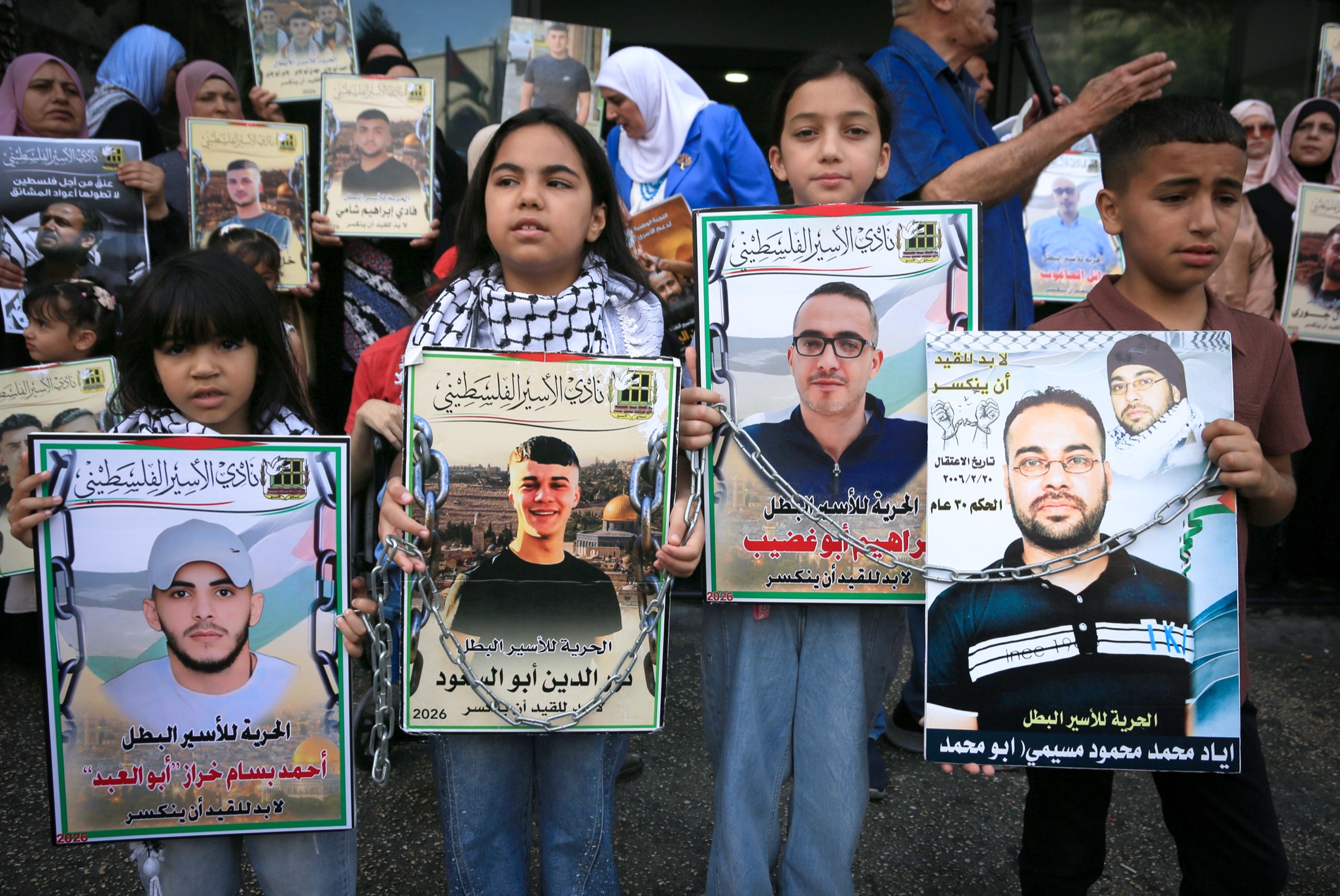
Zaid said he worried more about his family than himself while he was imprisoned. “I wanted to try to tell them what was happening in jail, but could not.” His only way to send a message was through boys who had been released and could reach the parents of those still inside. His own parents could see him only at court hearings, sitting in a separate room and watching by video link.
When Layla first saw Zaid, a week after his arrest, she was horrified. “There were [marks from] beatings on his face and scratches on his neck,” she recalled. The stress from the repeated hearings took a toll on her health, too. His parents were given a date but no time, so they arrived at 9 a.m. and sometimes waited all day in a cold room. After one particularly long hearing, Layla returned home, collapsed into bed and remained sick for two weeks. “For almost all of Ramadan we did not eat well,” Ahmed said.
There were 12 hearings, each ending in another postponement. “We were following the news of coming out of Megiddo, we were all very worried,” Ahmed said. At the final hearing, Zaid was offered a chance to plead guilty. He accepted, was sentenced to time served and was released the next day.
Since returning home, Zaid and his parents have tried to rebuild a normal life. Now 17, he has enrolled in vocational school and is training to become a mechanic. But his release has brought little certainty.
“Even at their release they don’t know what they have done and how they can prevent being arrested again,” Carmel said. “It leads to such a deep fear that your life can be stopped at any moment and no one will even explain to you why.”
Zaid’s parents now try to keep him away from soldiers altogether. They do not let him cross checkpoints and call him home whenever the army raids the village.
Most read on +972
Layla says her son has changed. “Before jail time he was a calm person, but after, he has become so irritated you cannot even talk to him,” she said. Ahmed says Zaid now struggles with nightmares.
When Zaid speaks about his incarceration, he tries to remain stoic. He says he thinks about it as little as possible. But asked what he would do if soldiers came to arrest him again, he said: “I’m going to run so they shoot me. I’d rather die than to go back.”
+972 Magazine contacted the Israel Prison Service for comment. Its response will be added when received.