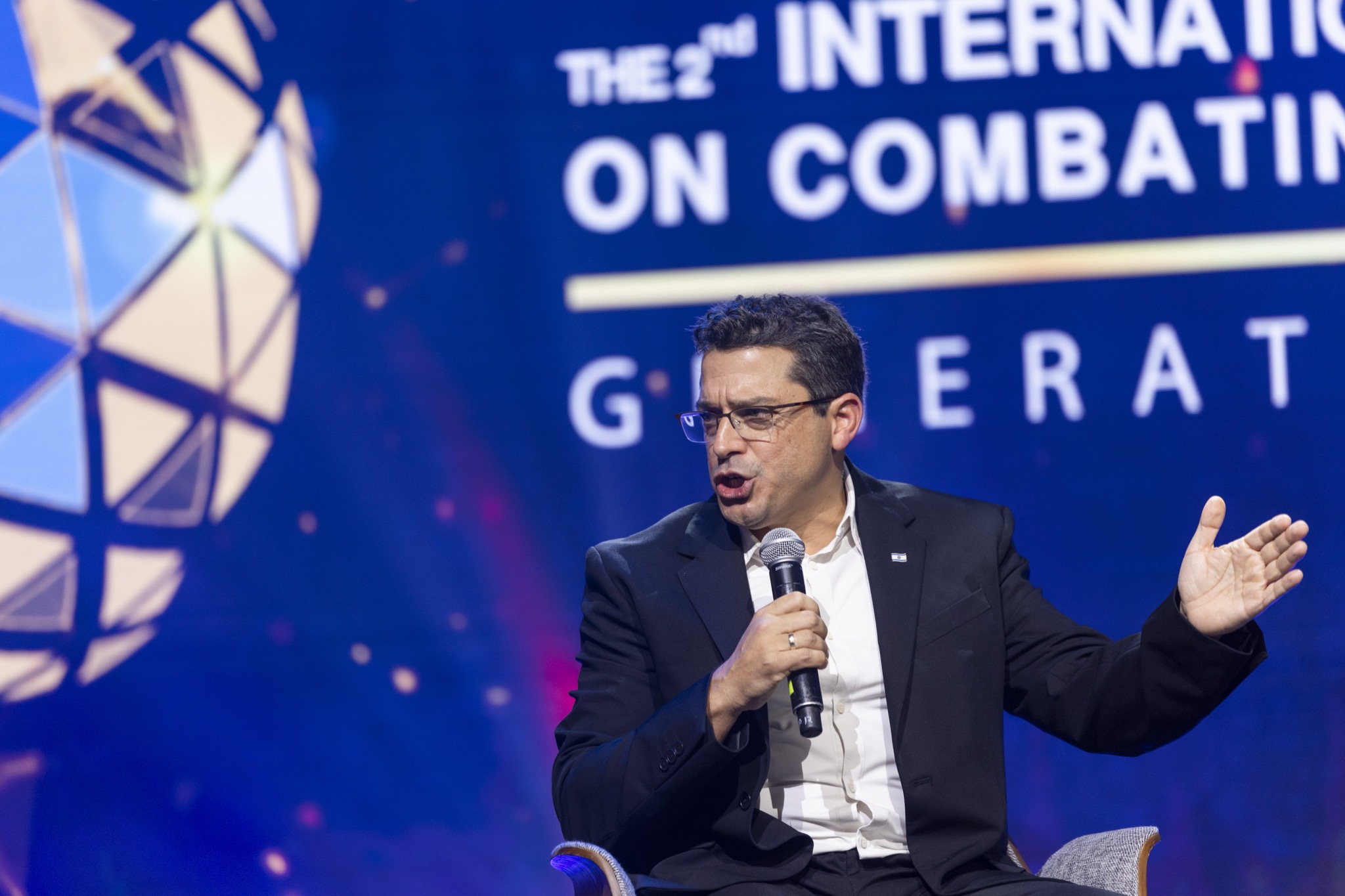
On Nov. 1, 2023, as Israeli forces expanded their ground invasion in the Gaza Strip, an Israeli state-funded company known as Voices of Israel (VoI) posted an open call on its website for applications to an “emergency fund.” In the call, titled “Winning the war on narrative,” VoI described itself as a “public-benefit company working to strengthen the State of Israel’s standing in the international arena,” and invited Israeli and foreign organizations to submit projects using a “range of methods” to advance that goal.
Applicants were instructed to upload their proposals to the company’s website and to obtain a private donor willing to cover half the costs, with VoI providing the remaining 50 percent for approved projects. Within a day, applications began pouring in — for Wikipedia editing campaigns, influencer tours in Israel and abroad, and even hidden camera documentaries aimed at exposing pro-Palestine activists.
A security flaw on VoI’s website left these applications and thousands of other documents publicly accessible. They include registration paperwork, project proposals, and budgets uploaded by the company itself and by more than 140 Israeli and international organizations and individuals seeking state funds between 2020 and mid-2024.
The applicants, particularly those who responded to the November 2023 call, span a surprisingly broad spectrum, from settler groups, think tanks aligned with Prime Minister Benjamin Netanyahu, and rabbinical associations to universities, high-tech figures, the Tel-Aviv municipal LGBT center, and even the Israeli Opera. But they were all seeking to participate in what Netanyahu would later dub “the eighth front” of the war: a public diplomacy campaign to rally international public support for Israel’s military campaign and counter pro-Palestinian activism.
Voices of Israel, previously known as “Concert” and, before that, Kela Shlomo (“Solomon’s Sling”), was established to operate precisely on this front. Founded in 2016, the company was mandated by a governmental resolution to lead global “mass consciousness activities,” and operated under Israel’s Diaspora Ministry until late 2024, when the ministry reportedly terminated the contract due to poor results.
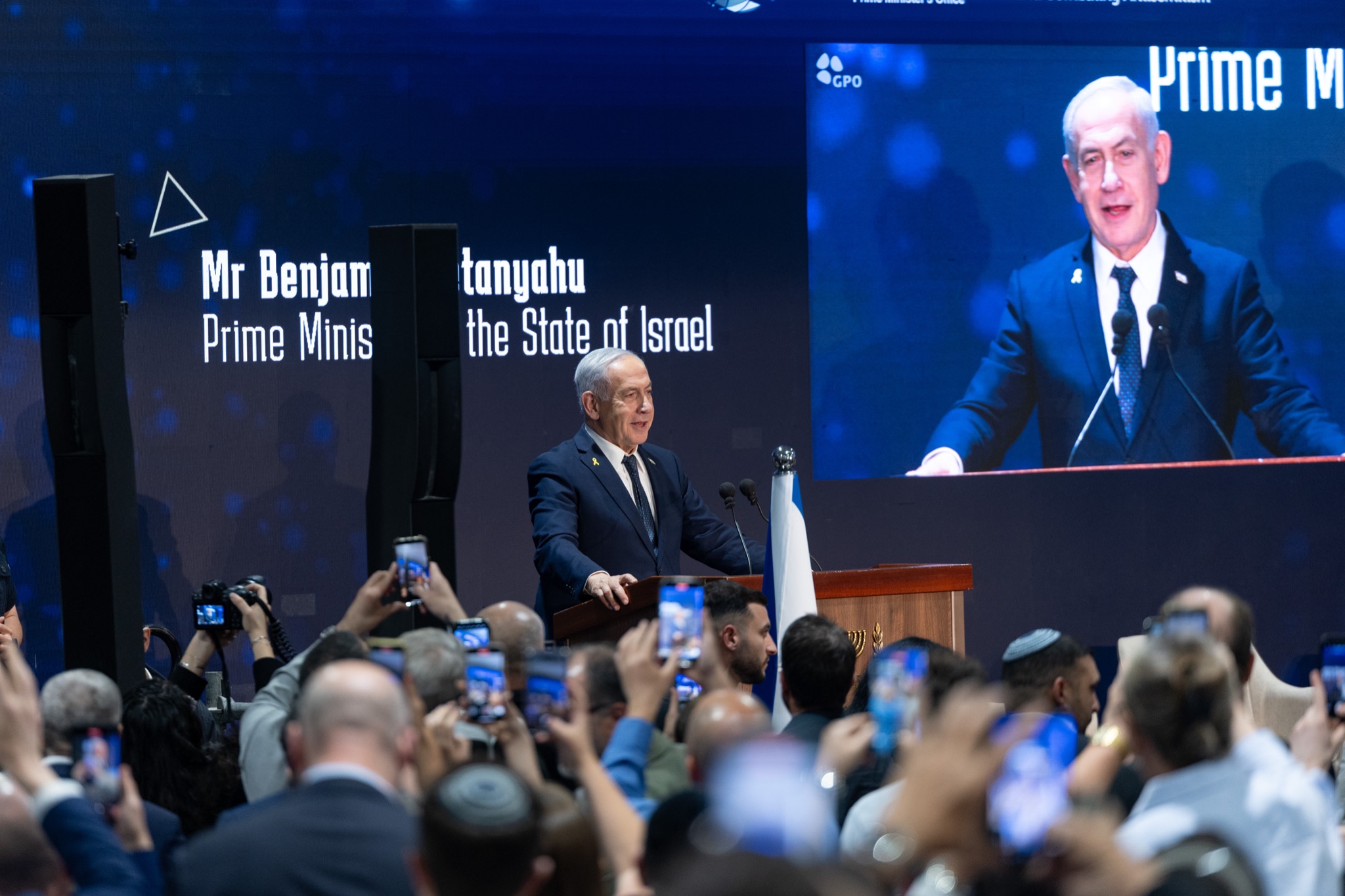
VoI’s exposed records offer a rare detailed glimpse into the network of organizations seeking Israeli state support for international influence campaigns. Submitted proposals included efforts to target U.S. university campuses and elected officials, influence European parliamentarians, and shape public opinion in the Arab world. One budget even sets aside $50,000 for “anti-Hezbollah fatwa-associated costs.”
The authors of this investigation obtained and verified the documents, along with their precise upload date. In most cases, the cache lacks complete project proposals and clear evidence that individual applications were ultimately approved or funded. Still, a few dozen official VoI documents from 2023 and 2024 express the company’s intent to enter into a joint venture with the applicant, suggesting that a number of projects had been officially selected for funding.
A 2024 investigation by the independent Israeli investigative magazine and media watchdog the Seventh Eye about the Diaspora Ministry confirmed that at least some of the projects included in the leaked documents had received VoI funding.
Further information available online indicates that many applicants went on to carry out activities in support of Israel’s hasbara (or PR) efforts, closely matching the plans and budgets they had submitted to VoI. According to Israeli media reports, the Diaspora Ministry spent as much as NIS 35 million (over $10.5 million) on nongovernmental public diplomacy initiatives in the first six months of the war, most of which were never publicly disclosed.
Wikipedia as ‘strategic problem’
Efforts by Israeli and pro-Israel organizations to influence Wikipedia have been documented for years. Most recently, a November 2026 report by Tech for Palestine identified 17 initiatives over the past two decades aimed at shaping Wikipedia coverage in favor of Israel, nine of which it said remained active.
Among the organizations that sought VoI funding for Wikipedia-related activities was the Israeli NGO Fighting Online Antisemitism, which describes itself as a “trusted flagger” on eight major social media platforms and credits itself with “getting Meta to include ‘Zionist’ in their hate speech policy.” In 2021, the organization submitted a proposal to VoI’s website for $286,088 for an online monitoring project that included “Wikipedia training.” In December 2023, it applied again, this time for a multilingual social media campaign, with a budget of NIS 1,078,010 (around $327,000), which VoI officially approved.
On Nov. 5, 2023, Zionist Horizon — an NGO founded by Likud lawmaker Ariel Kellner that promotes a pro-settlement agenda — submitted a NIS 195,000 ($59,000) proposal to edit Wikipedia articles, including by coordinating and paying pro-Israel editors abroad. A separate VoI document expressed an intention to support a project matching that exact same sum, warning that “false information” on Wikipedia “constitutes a significant strategic problem for the state.” The matching amount and stated purpose suggest that the proposal was approved for funding.
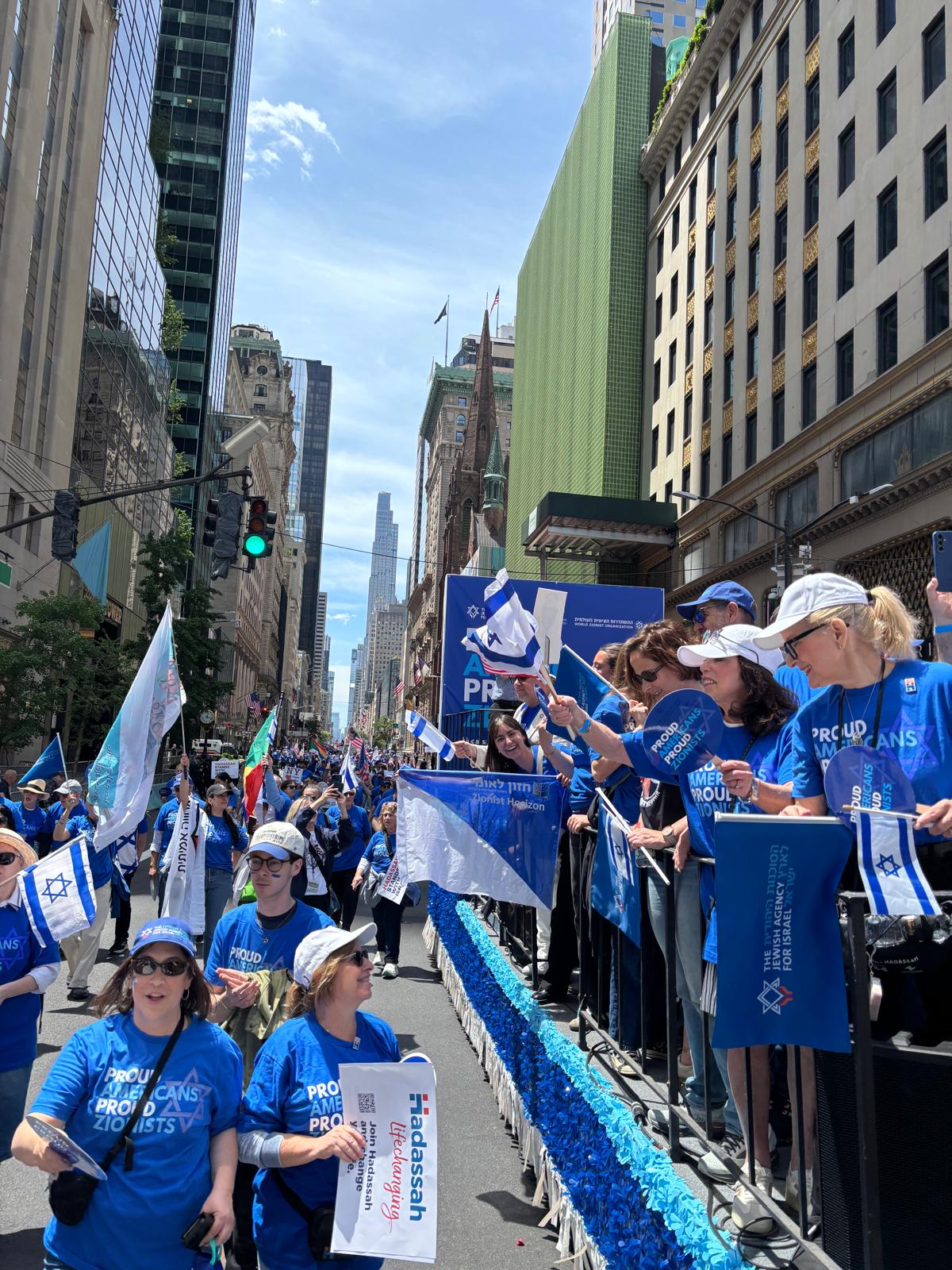
Zionist Horizon’s activities to bolster Israel’s international image extended beyond Wikipedia editing; the organization also pursued initiatives aimed at shaping European perceptions of Islam and immigration.
One such project, planned in cooperation with “organizations in Europe and parliamentarians,” sought NIS 92,550 ($28,000) from VoI to target Russian-speaking audiences on the continent “with emphasis on the fact that they are next in line to be harmed by radical Islam.” The initiative appears to align with reports of a broader Israeli strategy to stoke Islamophobia in Europe in order to boost international support for Israel.
A separate budget proposal by the group, also uploaded in early November 2023, sought more than NIS 129,000 ($39,000) for a series of videos titled “The West is Next” and their translation to German, French, Italian, Spanish, and Russian. In an interview with the Seventh Eye as part of its 2024 investigation, Zionist Horizon’s CEO confirmed that the organization had received VoI funding for its work on Wikipedia and “spreading hasbara clips in Russian.”
Not just the far right
Organizations affiliated with some of the most hardline elements of Israel’s settlement movement were also quick to seek VoI funding after its November 2023 call.
Kedma, an association that establishes “student villages” — including outposts in the occupied West Bank linked to violent attacks on Palestinians — submitted a proposal in February 2024 totalling NIS 1,148,805 ($348,000) for an online media campaign, stipends, and tours for French and English-speaking youth. Elad, a settler group involved in taking over Palestinian homes in East Jerusalem, sought NIS 930,000 ($282,000) in December 2023 to produce hasbara videos and organize tours for influencers. It remains unclear whether VoI approved either proposal, and neither organization responded to +972’s requests for comment.

The Jewish Statesmanship Center, a right-wing public leadership training institute with close ties to the libertarian Kohelet Policy Forum, also requested VoI funding. The Center, which lists Diaspora Minister Amichai Chikli among its alumni, applied on Dec. 20, 2023 for an “effective targeting” campaign aimed at 100 unnamed “influential figures” in U.S. media, academia, and elected politics, with the stated objective to “foster understanding of the Israeli position and to give the Israeli government freedom of action.”
In a presentation uploaded to VoI’s website, the Center named Yisrael (“Srulik”) Einhorn, Netanyahu’s media consultant, as the project’s partner. Einhorn is currently wanted by Israeli police in connection with an investigation into alleged Qatari influence campaigns and the leaking of classified documents. The Center confirmed to the Seventh Eye that it received funding for the initiative.
Yet VoI’s influence extended well beyond Israel’s right wing. Despite widespread anger at the Netanyahu coalition over its judicial overhaul, its failure to prevent the October 7 attacks, or its handling of efforts to secure the release of Israeli captives in Gaza, institutions and individuals from the predominantly liberal worlds of high-tech, culture, and academia also uploaded funding requests in response to VoI’s November 2023 call, seeking support for their public diplomacy initiatives.
The Tel Aviv Municipal LGBT Community Center, for example, applied for funding in November 2023 for NIS 105,392 ($32,000) to produce a conference for gay influencers. A separate VoI document from 2024 suggests the company approved NIS 1 million ($303,000) for “producing a film for the LGBTQ community about Hamas’ anti-LGBTQ ideology,” although it does not name the organization that would produce the film.

Israeli cultural institutions and universities also sought support from VoI. In late November 2023, the Israeli Opera requested NIS 40,000 ($12,000) to produce a collaborative music video featuring 60 Jewish and Arab musicians performing a multilingual rendition of “Somewhere” from “West Side Story.” The Israeli Film Academy, meanwhile, applied the following month for NIS 172,725 ($52,000) to organize 10 “hasbara tours in international festivals.” In response to +972’s inquiry, the Academy said it had not received funding from VoI.
Haifa University requested NIS 169,000 ($51,000) to produce short videos intended to “foster empathy for the shock and immense hardship Israeli society is experiencing in the wake of [October 7], debunk fake news, and set the record straight in an effort to correct the often distorted picture of reality presented by the international media.”
Bar-Ilan University proposed a NIS 1 million ($303,000) “academic hasbara” initiative encompassing delegations in Israel and abroad, alongside a training program for 50 “Israeli academy ambassadors” who would be instructed “in the art of persuading and hasbara.”
The Israeli Opera and both universities were contacted by +972 for comment but have yet to respond. Their responses will be added once received.
Tel Aviv University’s Moshe Dayan Center submitted a proposal for just over NIS 650,000 ($200,000) for a conference whose budget included hotel accommodation and even a helicopter ride, although the event’s purpose remains unclear. Responding to +972’s request for comment, the Center maintained that it “did not take part in hasbara” and denied receiving funding from VoI — but did not deny having applied for it.
‘Selling’ stories to the international media
In April 2024, a budget proposal totalling NIS 2 million ($607,000) was uploaded to VoI’s website, accompanied by a detailed account of the activities of a grassroots initiative called Amplify Israel. The document offers a glimpse into how figures from Israel’s liberal high-tech sector helped shape international media coverage of the war in Gaza, working in coordination with the government while presenting their efforts as a civilian initiative.
Amplify Israel was started by Adi Vagman, the owner of a venture capital fund investing in climate-tech startups. In the days following October 7, Vagman began voluntarily coordinating hasbara efforts alongside two former colleagues from her military service in the IDF Spokesperson’s Unit. Working with the National Public Diplomacy Directorate inside the Prime Minister’s Office, the group established a foreign media operation that evolved into Amplify Israel in 2024.
“Since October 7,” Vagman wrote in the submitted activities report, as part of a request for retroactive funding, “we have set up a foreign media operations center responsible for initiating thousands of articles published in the international media. Our newsroom team worked … to increase pro-Israeli media coverage, placing thousands of items and interviews that reached a billion people worldwide. Our team also provided strategic messaging and wrote articles for government ministers, political and military spokespeople, hostages and their family members, and other key figures.”
The document describes efforts to “sell” stories to international media outlets and even write opinion pieces published under the names of individuals who could lend credibility to Israel’s messaging.
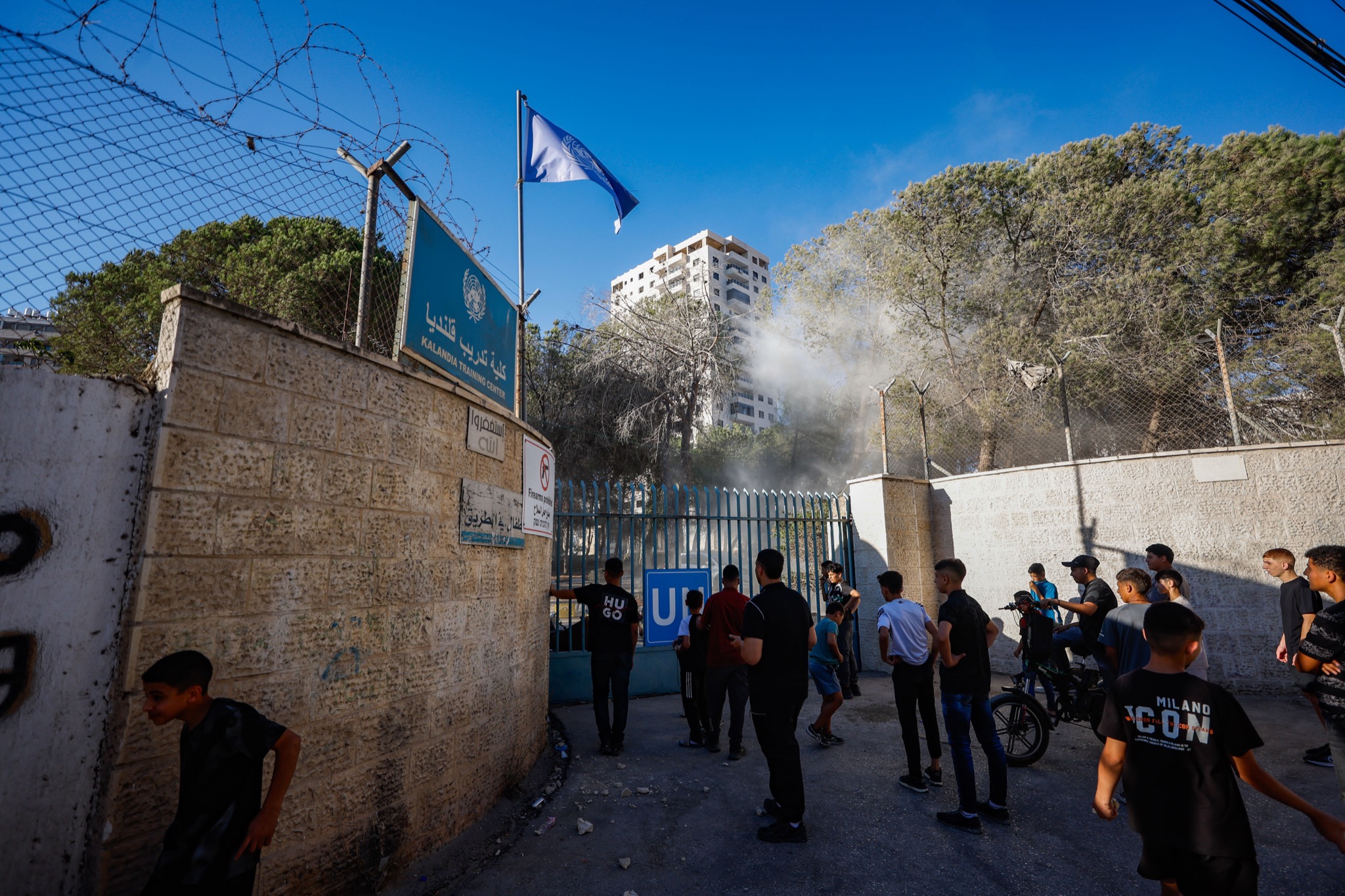
Among the examples listed was an op-ed published on CNN’s website under the byline Sheikh Khalil Al-Baz, described as a “Palestinian-Israeli Imam.” The report also listed an article written for Palestinian-Syrian anti-Hamas activist Manar Al-Sharif “on how UNRWA [the UN Relief and Works Agency for Palestine Refugees] needs to be dismantled,” and another for a “Norwegian politician against UNRWA and the current Norwegian government policy on Israel,” although neither could be definitively matched to a published article.
Vagman claimed that her team was “capable of generating sustained media interest,” including by “initiating articles and op-eds on strategic topics designed to advance Israel’s messages in the world’s leading media outlets.” The report also cited a collaboration “with American journalist Christopher Caldwell to place stories and interviews in U.S. media.”
To demonstrate the operation’s reach, the document included a list of coverage by major international news organizations, newspapers, and broadcasters, including the New York Times, CNN, the Guardian, Le Figaro, and Germany’s Bild. These were presented as evidence of the group’s “successes in ‘selling’ stories to the world’s leading media outlets,” although the report does not offer details of its involvement in each individual publication.
Amplify Israel’s activities also extended beyond the media to direct engagement with foreign politicians. According to the report, events organized by the group reached elected officials and even helped boost support in Switzerland to defund UNRWA. The claim could not be independently established from the document alone. Adi Vagman did not respond to +972’s requests for comment.
From Jerusalem to Damascus
Amplify Israel was not the only organization to cultivate relationships with journalists and media outlets in order to influence international coverage of Israel and its military campaign in Gaza.
In an August 2021 article attacking Palestinian journalist (and +972 contributor) Mariam Barghouti, the Israeli media advocacy group HonestReporting categorically denied receiving Israeli government funding. “For the record, HonestReporting is not funded by any government ministry,” it declared. Yet seven months earlier, the group had submitted to VoI two proposals with a total budget of $1.06 million.
The first, titled “Unleashing the power of social media,” targeted international audiences, and specifically journalists. The second, “Media central normalization project,” proposed a delegation for journalists from countries that had signed the Abraham Accords. Responding to a +972 inquiry, HonestReporting confirmed submitting both applications but said that “neither request was granted.”
The Jerusalem Press Club, which describes itself on Facebook as offering foreign correspondents “access to Israeli decision-makers and experts, great content, top professional facilities, and great cuisine,” applied for funding in 2022 and 2023 to organize a “delegation and a virtual tour” for journalists. The proposals, totalling $172,488, were intended to “strengthen positive perception of the State of Israel.”
In a recent interview with the U.S.-based Jerusalem News Syndicate (JNS), Talia Dekel-Fleissig, who headed the Press Club in recent years before it shut down in September, rejected the notion that its work was partisan. “[Our work] is not about improving Israel’s image. It’s not about fighting back the media war. That’s not what it is. It’s about making sure that the public understands what’s actually going on.”
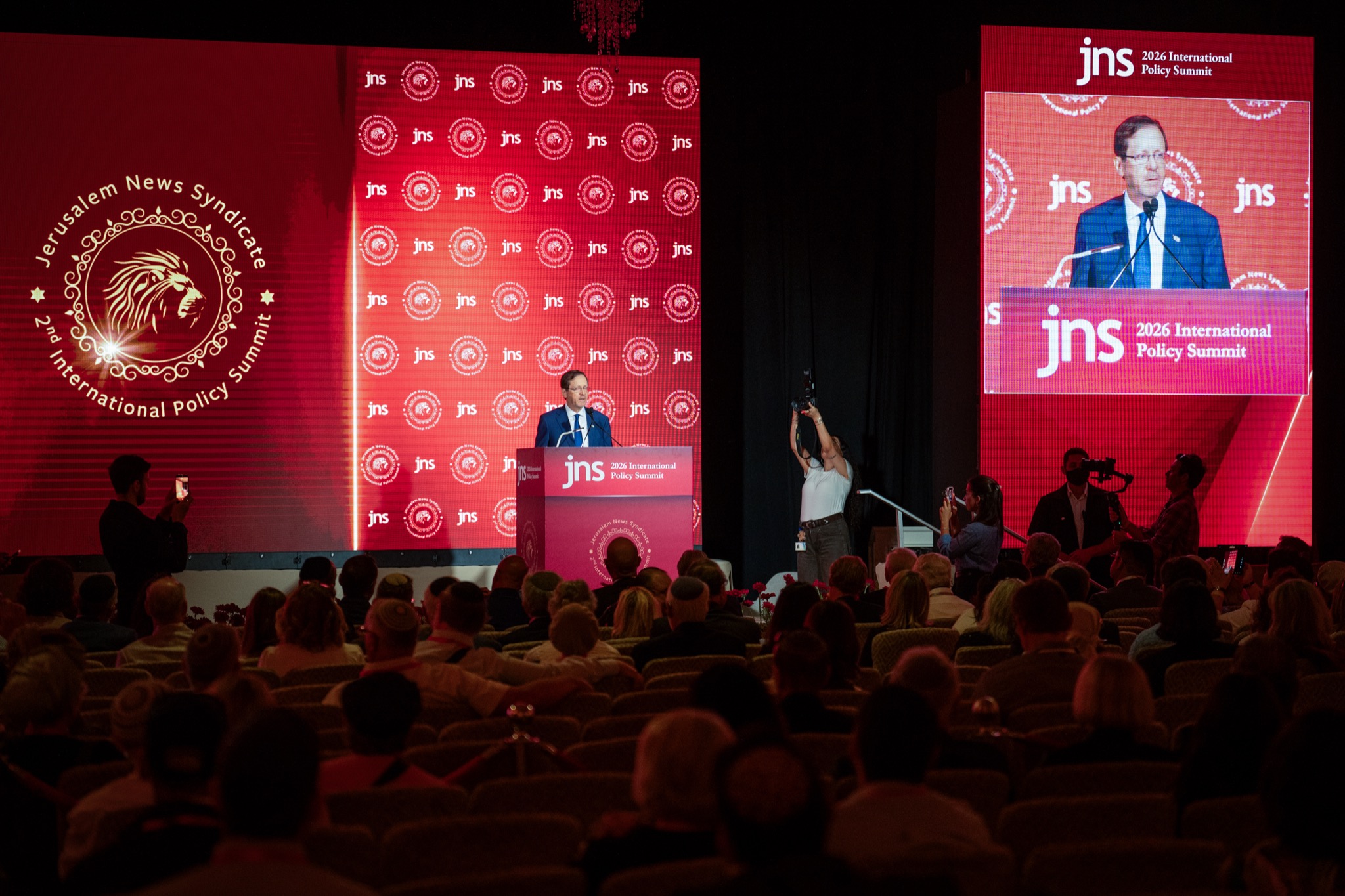
JNS itself, a right-leaning outlet financially supported by the Adelson family, sought funding from VoI as well. In 2024, the outlet submitted a proposal for a campaign that included digital marketing, a video podcast, and written articles. The proposal budgeted “pro-Israeli articles” by JNS journalists Amelie Botbol and Etgar Lefkovits at $7,000 apiece. JNS did not respond to +972’s questions about whether it received the funding or whether it considered applying for state funding to produce journalistic content to be in conflict with journalistic standards.
The files also reveal efforts to influence discourse about Israel across the Arab world. Among them was an application by the Alliance of Rabbis in Islamic States for an initiative celebrating the Abraham Accords, and a proposal involving financing of Sharaka (“Partnership”), an organization claiming “to shape a new Middle East, built on dialogue, understanding, cooperation, and friendship.”
Sharaka is led by Amit Deri, a right-wing activist and close associate of Diaspora Minister Amichai Chikli. Another organization headed by Deri, Reservists on Duty, which was created to discredit Israeli anti-occupation activists, also received funding from VoI, according to the Seventh Eye’s investigation. The funding status of the proposals by the Alliance of Rabbis and Sharaka remains unclear.
Other applicants seemingly went further, seeking VoI funding to establish media operations in countries like Syria and Lebanon.
In July 2023, the New York-based Center for Peace Communications (CPC), which is behind the pro-Israeli Arabic media network Jusoor News, submitted two proposals to VoI. The first sought $749,813 for a radio station in Syria. Its detailed budget covers salaries for Syrian staff, fuel, generators, and office rent inside Syria, as well as production costs for programs such as “From Tel Aviv,” budgeted at $85,000, and even a $6,000 music subscription with Rotana, a Saudi-owned music group.
The second project, with a budget of $743,579, concerned an anti-Hezbollah film project targeting Lebanon. Its details closely match those of “Hezbollah’s Hostages,” an eight-part docuseries produced by CPC and distributed in 2024 by right-wing outlet the Free Press. The proposed budget included $166,666 for the work of three CPC staff members: Director Joseph Braude, Chief Operating Officer Michael Nahum, and Senior Fellow Ahed Al-Hindi.
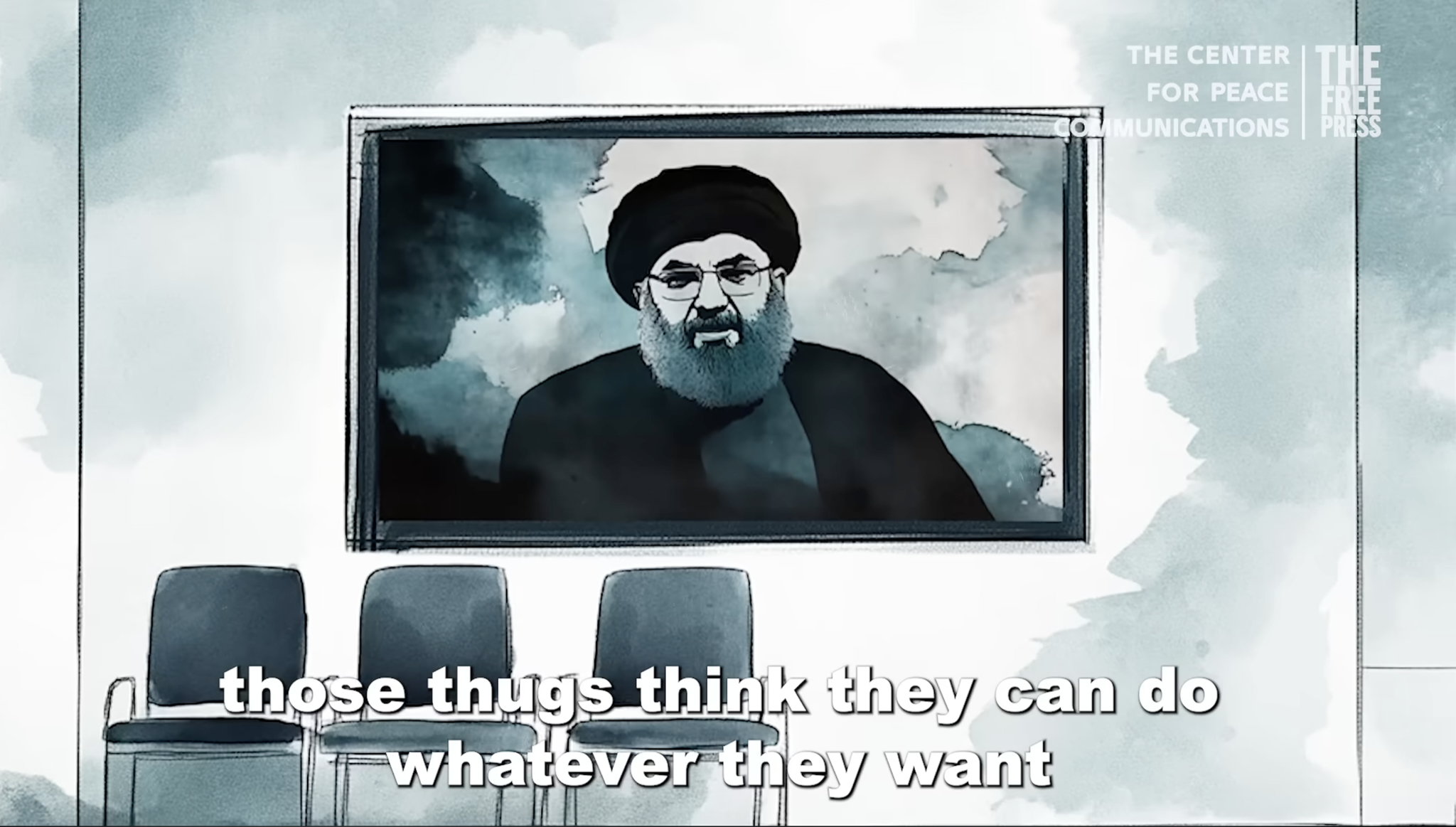
One particularly unusual item in CPC’s budget was $50,000 allocated to “Anti-Hezbollah fatwa-associated costs.” What exactly this is meant to cover remains unclear, but it appears this was not CPC’s first brush with Islamic jurisprudence.
In March 2023, four months before CPC submitted its proposal to VoI, a supposed council of Sunni, Shiite, and Sufi clerics headquartered in Najaf, Iraq, issued a fatwa declaring it forbidden to “pray for, join, support, finance, or fight on behalf of Hamas.” The fatwa is one of only two rulings listed on the council’s website. Its 40-page reasoning document identifies a CPC production about Gaza as the impetus for the ruling and links to the organization’s website in its opening pages. CPC director Braude later celebrated the fatwa as a useful “tool to mobilize” against Hamas in Gaza.
Nor was this the first time a CPC initiative had been associated with a religious ruling favorable to Israel. In 2020, an earlier project led by Braude prompted a Sudanese cleric to issue a fatwa endorsing a peace agreement with Israel.
Contacted by +972, CPC said it “briefly explored an engagement with Voices of Israel” but “aborted the process and neither pursued nor received funding from it or any other Israeli source.” Questions about payment for religious rulings went unanswered.
Campus wars
As early as November 2023, months before mass pro-Palestinian protests swept U.S. college campuses in the spring of 2024, organizations were seeking Israeli state funding to influence university discourse over Israel’s war in Gaza.
On Nov. 9, Raphael Shore, owner of the Florida-based OpenDor Media, submitted a proposal to VoI’s website for $760,000, of which $200,000 was allocated for a “campus campaign.” The project included “hiring a campus liaison and investing in billboards, starting with college campuses and cities where there’s been a lot of activity: Penn, Harvard, NYU, Stanford, NYC, London, LA, Miami, Sydney.”

About a month later, Joanna Landau, founder of the hasbara initiative “Vibe Israel,” applied for NIS 499,000 ($151,000) for a social media campaign “targeting ages 18 to 24” in the United States. Her application included a work proposal titled “Israel on Campus” by the LA-based creative agency Brand Knew to “build and sustain a communication campaign and infrastructure to combat current events across college campuses in the United States.”
Neither Shore nor Landau responded to +972 requests to comment.
Jewish religious organizations also sought funding to train Jewish students to advocate for Israel on campus. The Jewish Learning Institute (JLI), the educational arm of the Chabad movement, submitted a $2,303,276 proposal in late December 2023 for a program aimed at empowering “Jewish college students to share knowledge of their people, history and values with their peers.” The aim was to emphasize, among other things, the “Jewish people’s millennial attachment to the land of Israel.”
The application was uploaded by a user named “yvogel” — possibly Yosef Vogel, director of JLI’s Center for Universal Values. JLI did not respond to +972’s inquiries.
Another applicant was Olami, a global Orthodox Jewish educational network, which submitted a proposal in late 2023 to counter pro-Palestinian activism on college campuses “so no one can turn a blind eye to the hate our Jewish students are experiencing.” The initiative included recruiting “campus correspondents” to provide “authentic, on-the-ground reports of the climate at their universities,” alongside a “paid marketing/digital campaign — in collaboration with a social media strategy agency.”
The proposed budget exceeded NIS 400,000 ($121,000). In response to +972’s inquiries, the U.S.-registered nonprofit Olami, which displays the logo of Israel’s Diaspora Ministry on its website, claimed to have “not received any funding from Voices of Israel” and “not engaged in activities that require FARA reporting.”
Other applicants took a more confrontational approach to pro-Palestine activism on U.S. campuses.
In early 2024, a user named “Stefan” uploaded a $756,460 budget proposal involving the U.S.-registered Intermarium Foundation and the UK-registered company Lux Media. It seems likely that the documents were submitted by Stefan Tompson, a South African-Polish content creator and director of both entities.
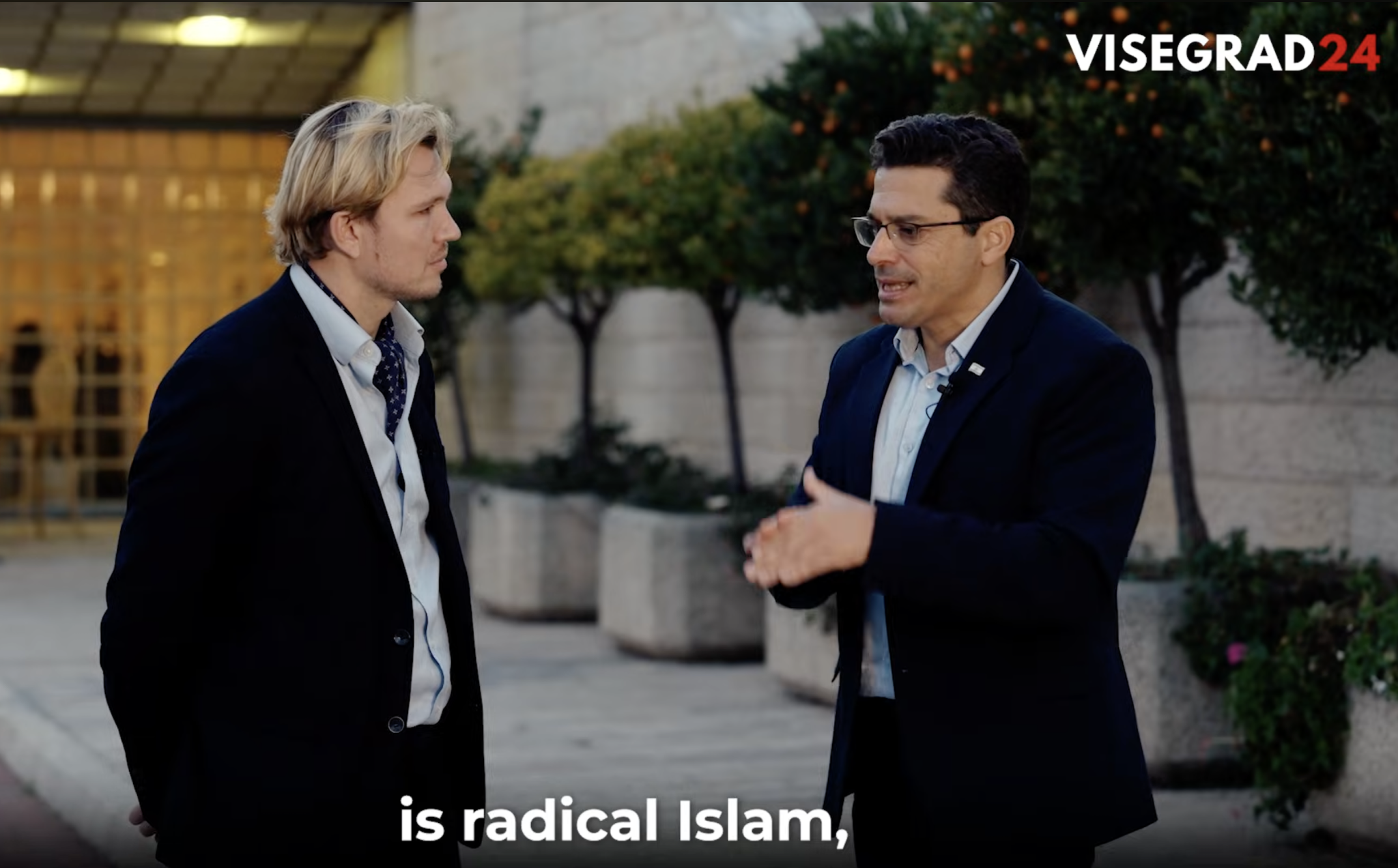
Tompson runs Visegrád 24, a far-right account on X that amplified false claims in the aftermath of October 7, including allegations that Hamas militants had beheaded babies. According to researchers at the University of Washington, the account became the most-viewed source in English-language discussions of the war on the platform in the weeks following the attacks.
Tompson himself framed the war as part of a broader civilizational struggle. “Israel is at the frontline of the battlefield of radical leftists in Western democracies who have, for some reason, joined forces with the Russia-China-Iran bloc,” he told the Jewish Chronicle in an interview published on Feb. 5, 2024.
In the same article, Tompson rejected allegations that he had received Polish state money to operate the X account, insisting he had never received “a penny to run Visegrád.” He described the account as self-funded, and said he had hopes of expanding it into a better-funded operation.
What he did not mention was that, just six days earlier, a user named “Stefan” had uploaded a funding proposal to VoI’s website, presumably for a series of interviews with Israeli political figures, including Diaspora Minister Chikli himself, and possibly also an investigative documentary series about antisemitism on U.S. college campuses.
That series involved the use of hidden cameras, including to record a private conversation with Columbia professor Rashid Khalidi in his office. The first episodes appeared on Visegrád 24’s YouTube page by mid-April 2024. It remains unclear whether VoI funded the production, and Tompson did not reply to requests for comment.
Among other groups that sought funding from VoI to combat pro-Palestine activism on U.S. campuses was the Israeli lawfare organization Shurat HaDin, which has close ties to the Israeli government and intelligence community. On Nov. 5, 2023, a user named “shurathadin” uploaded documents with a proposed total budget of $232,947. The budget covered “lawsuits by students” and campaigns bearing titles like “Label pro-Hamas campus groups as hate groups,” “Aerial messaging,” (possibly airplane banners), and “Hamas pro rape.”
Despite the 10 documents uploaded under its name, Shurat HaDin denied any involvement with VoI, claiming in response to +972’s inquiry that it “was not familiar with such an organization and … did not receive any funding from it.”
Money talks
Other documents reveal the scale of funding pro-Israeli organizations hoped to receive from VoI to advance the state’s interests abroad.
The European Leadership Network (ELNET), for example, applied for nearly $1 million in 2021 and another $4.5 million in 2022, specifically for campaigns targeting members of European parliaments. ELNET, which presents itself as an independent think-tank, has repeatedly denied receiving funds from the Israeli government. It did not respond to inquiries concerning the applications, but VoI’s website lists it under “our portfolio.”
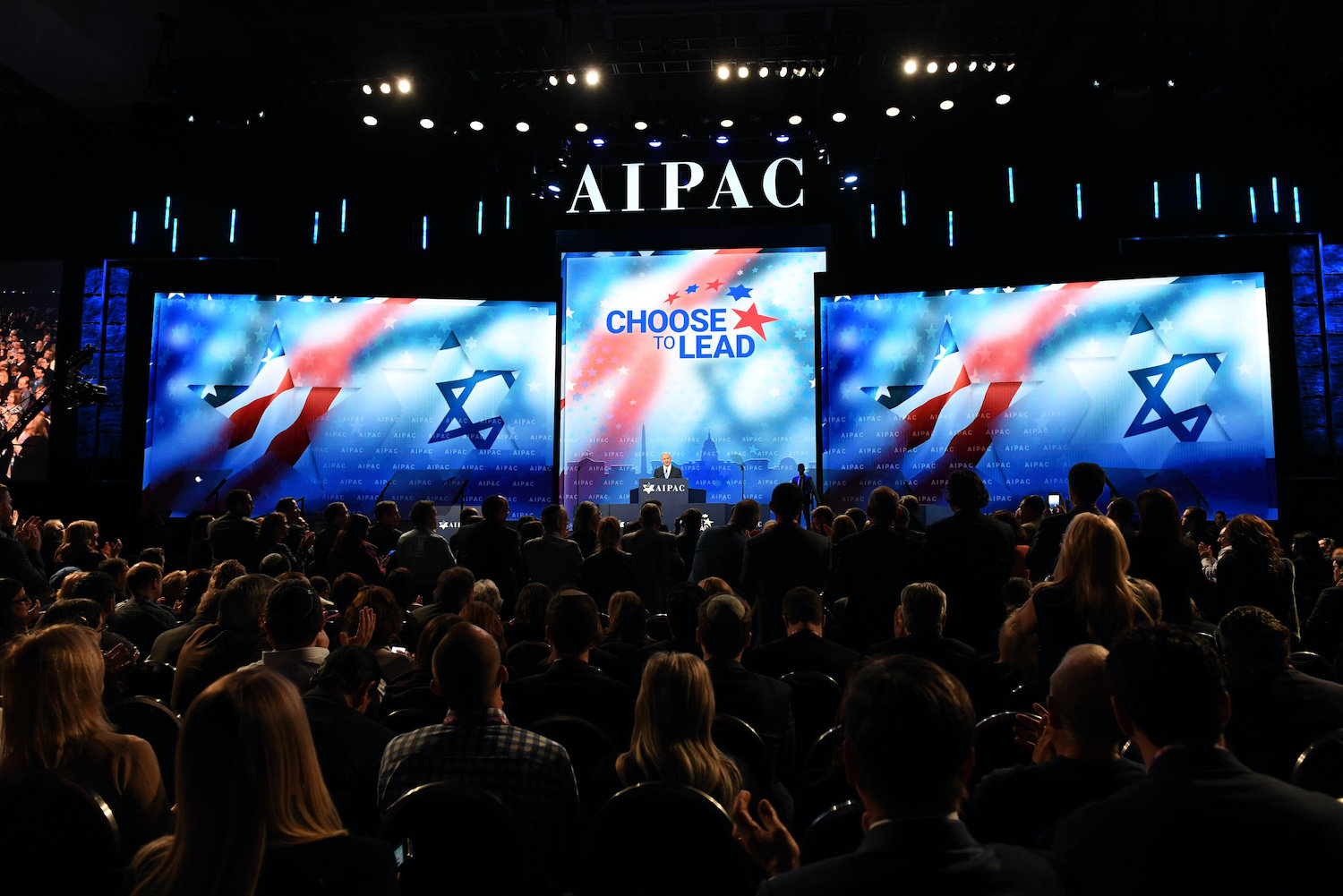
In the United States, the National Black Empowerment Council, an NGO founded in 2021 by former American Israel Public Affairs Committee (AIPAC) official Darius Jones, requested $380,000 in late 2022 to organize a 19-member delegation to Israel, including business-class travel.
In 2021, the Combat Antisemitism Movement sought NIS 792,649 ($240,500) for its biennial Mayors Summit Against Anti-Semitism, which brings together municipal leaders and promotes adoption of the controversial International Holocaust Remembrance Alliance (IHRA) definition of antisemitism.
The America-Israel Friendship League, which has lobbied U.S. politicians to adopt anti-BDS legislation, submitted two proposals in 2021 totalling $284,625, to cover staff expenses and the organisation of webinars. Whether these projects received VoI funding remains unclear.
The files also contain several projects targeting Spanish speakers in Latin America, Spain, and the United States, with proposed budgets totalling millions of shekels. Among those apparently approved by VoI was a proposal exceeding NIS 1.1 million ($334,000) for a prize competition for Mexican students, organized by the Israel Innovation Network (ILAN).
Other projects focused on allegations of sexual violence during the October 7 attacks. One sought NIS 2 million ($607,000) to produce a film “on sexual attacks” aimed at Latino audiences in the United States, although its precise content remains unclear. Another allocated more than NIS 1.3 million ($395,000) for a documentary about “acts of sexual violence committed by Hamas terrorists.”
An internal VoI document confirmed and explained in detail its support for the latter project, stressing the urgency of funding it. The document noted that “a shift has been noticeable in the approach of international women’s organizations, which initially chose to ignore these crimes.” To “keep up with this momentum,” it argued, funding should be approved swiftly so as not to “‘miss’ an opportunity to disseminate the message.”
An end and new beginnings
The last documents were uploaded to VoI’s website in late June 2024. By then, the organization’s partnership with the Diaspora Ministry was coming to an end. According to a joint investigation by the Israeli outlets Shomrim and Calcalist, negotiations over extending the collaboration had collapsed, and the ministry terminated the contract over the organization’s performance and management.
The ministry’s director general, Avi Cohen-Scali, said that VoI had failed “by every conceivable parameter” set by the government, accusing it of maintaining an expensive headquarters with high overhead costs while not producing “anything of significant value.” He also noted that some of the projects funded by the ministry were poorly executed, although he admitted that the government had no clear way of measuring their success.
Voices of Israel rejected the criticism, insisting that all of its projects had been approved “down to the finest details” by a steering committee headed by Cohen-Scali himself. Some, it said, had been launched at the ministry’s urgent request, while others were guided by ministry representatives throughout their implementation.
The collapse of VoI, however, did not bring an end to the government’s efforts to finance such initiatives through ostensibly independent organizations.
In late 2024, the Diaspora Ministry entered a new partnership with Maccabi World Union, under which the government committed around NIS 15 million ($4.6 million) a year, on condition that Maccabi raised matching funds. That arrangement kept several VoI projects from being canceled throughout 2025, but it, too, eventually unraveled, as Maccabi reportedly grew concerned about its financial exposure and potential reputational damage.
Most read on +972

In May 2026, yet another company was established for this mission: Gen Truth Collective. Operating on a model similar to VoI’s and led by former Diaspora Ministry employees, it secured a two-year agreement worth up to $45 million to continue supporting initiatives against antisemitism and aimed at “strengthening Israel’s international standing as the nation-state of the Jewish people.”
By current standards, the sums in the VoI files appear modest. Israel’s 2026 budget, approved this spring, allocated roughly $730 million for hasbara — nearly 17 times the sum allocated to Gen Truth Collective — alongside a dedicated public diplomacy division inside the Foreign Ministry.
Joanna Landau, whose organization Vibe Israel had applied to VoI for a campaign targeting young Americans in 2023, called the new government hasbara budget “a long overdue course correction.”
Rory Flynn contributed to this article.