October 9, 2026
| View this email in your browser | ||
|
|
SUPPORT US | |
|
October 9, 2026
|
||
|
How Israel is censoring reporting on the Iran war |
||
|
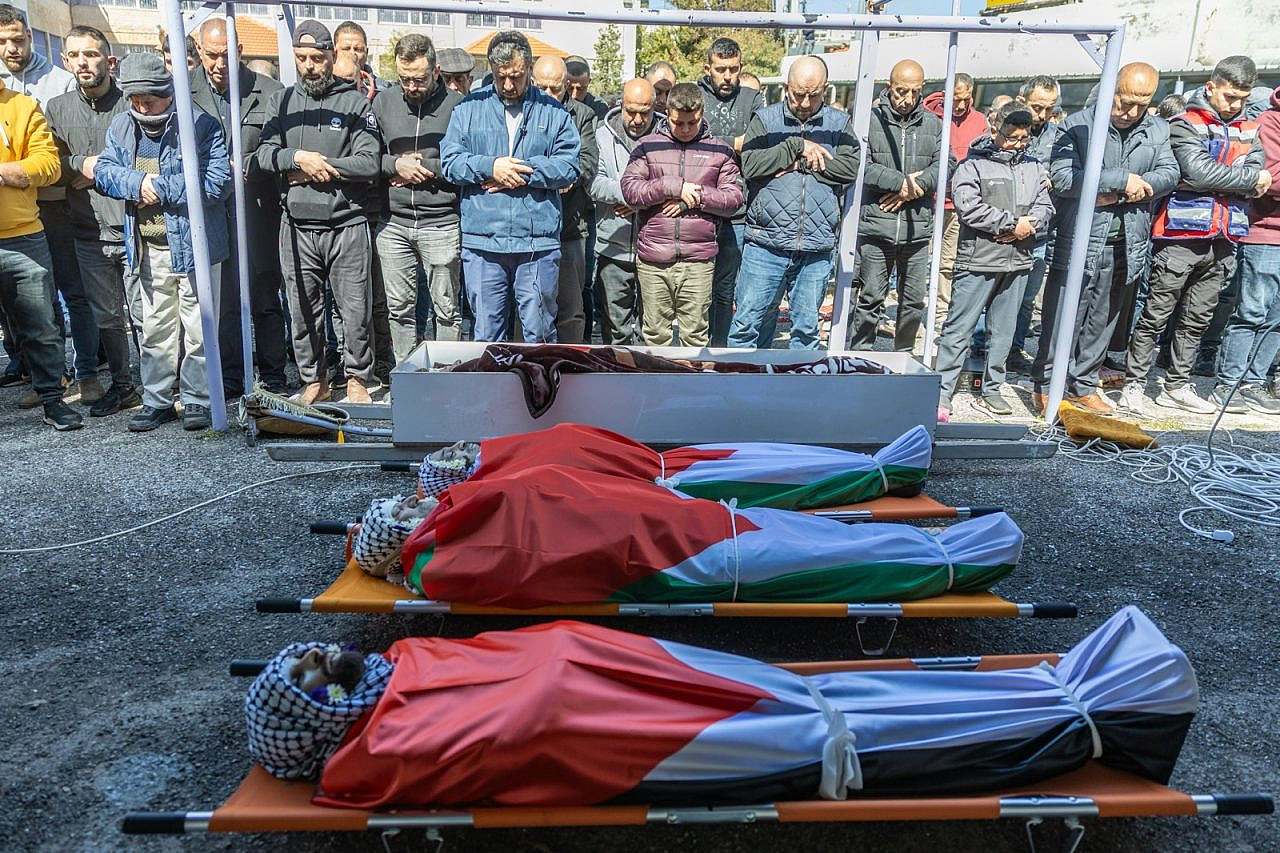
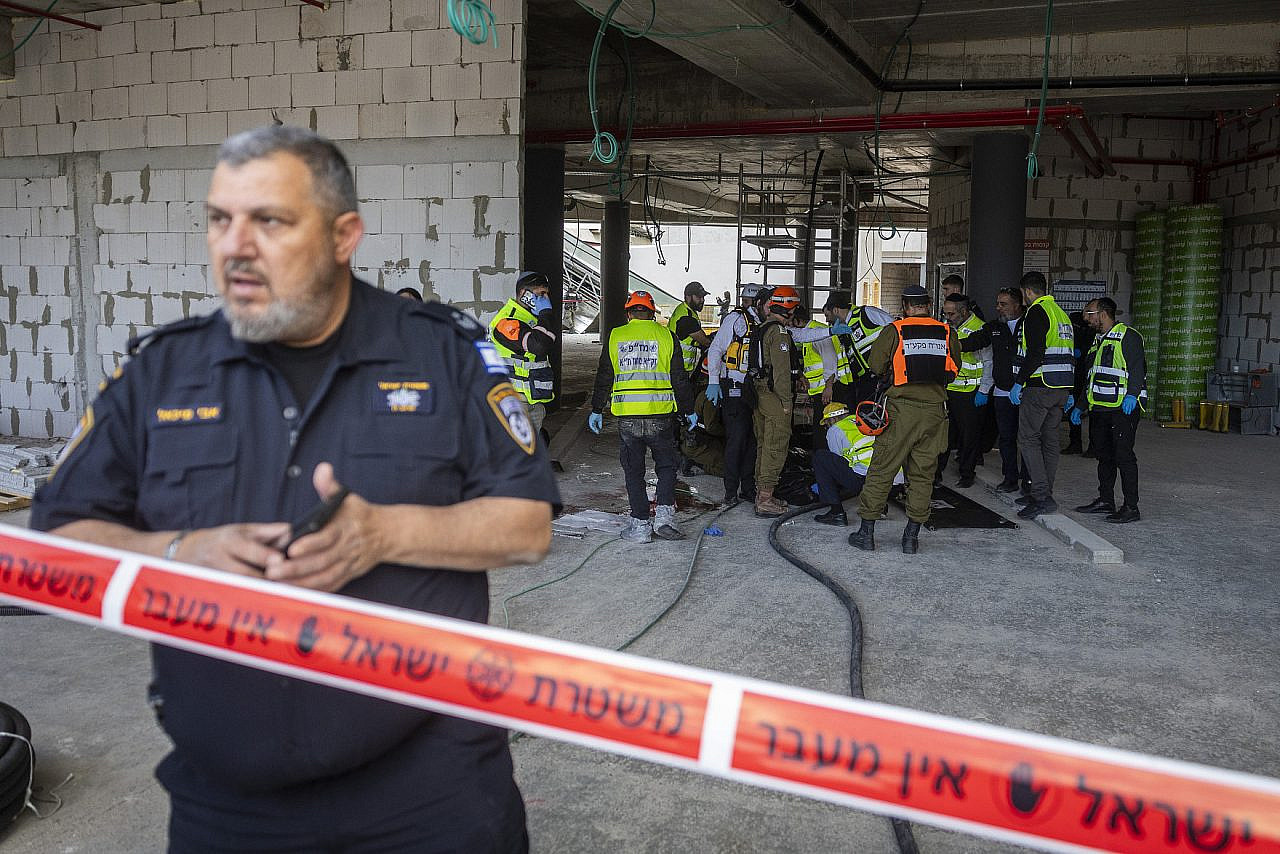
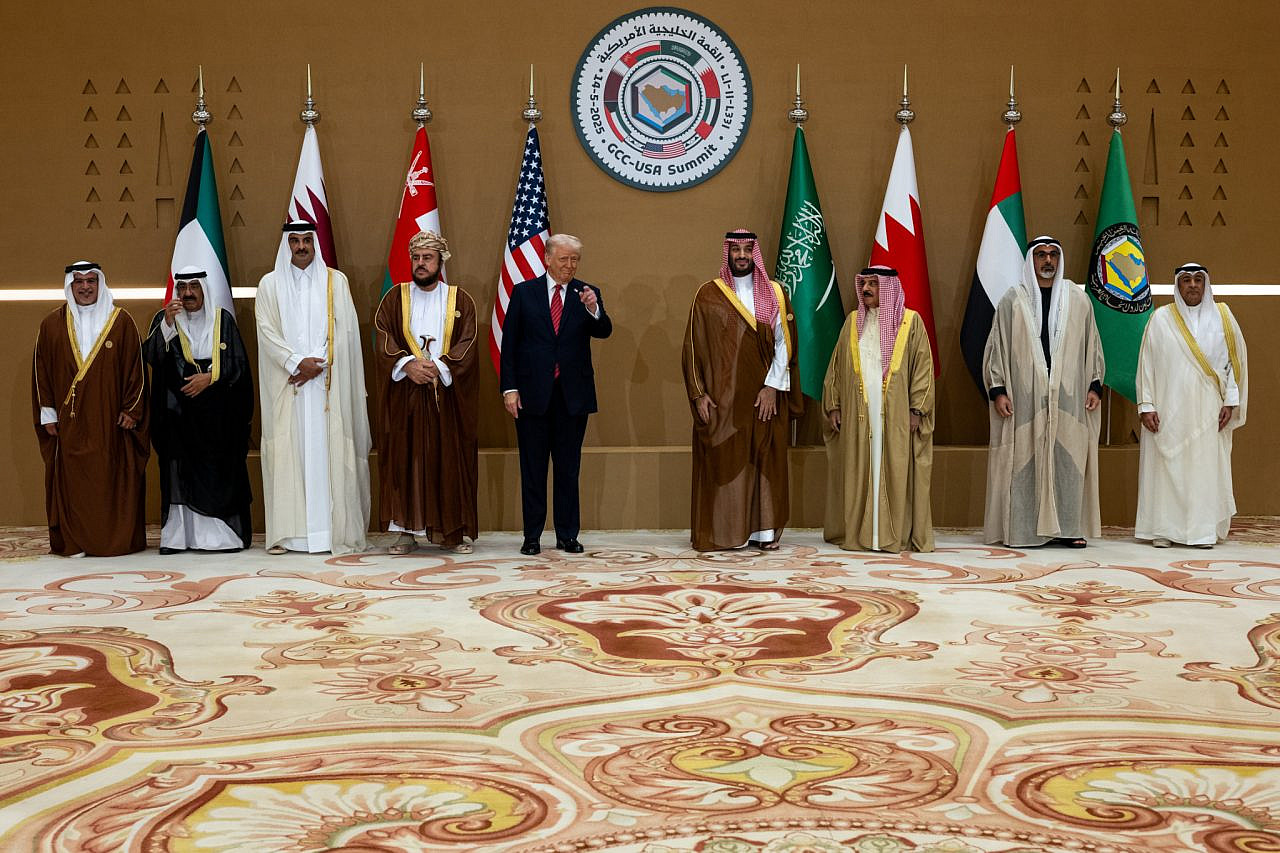
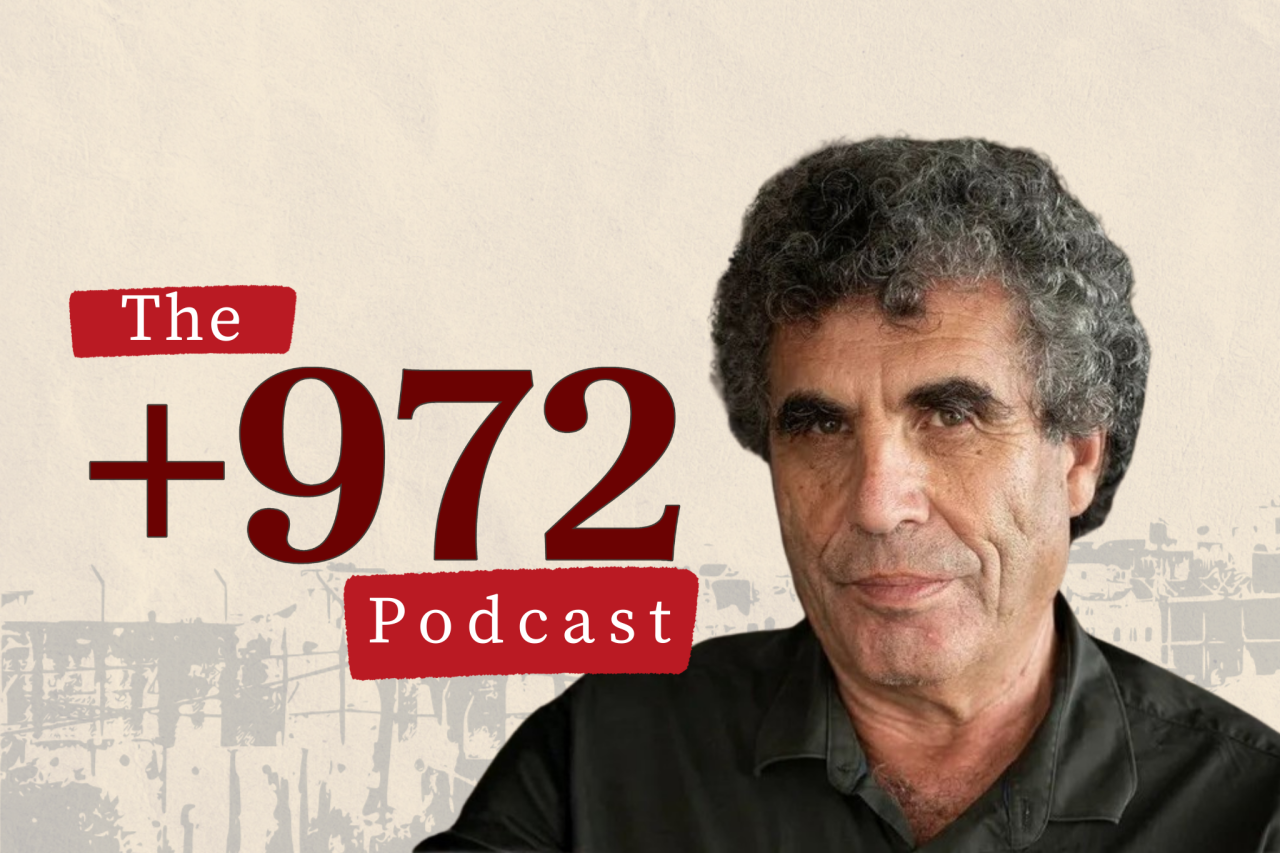
Welcome to +972’s Sunday Recap! After launching its campaign in Iran at the end of February, Israel closed Gaza’s crossings, driving up food costs and stalling medical evacuations. But as Ahmed Dremly and Ibtisam Mahdi wrote, little changed on the ground when Israel reopened the crossings days later — while ongoing Israeli strikes have raised fears of a renewed large-scale assault Last weekend, Oren Ziv (Local Call reporter) and Basel Adra reported, four Palestinians were killed in two separate villages in the occupied West Bank, as Israeli settlers continue to ramp up their attacks amid the U.S.-Israeli war with Iran. Three of the victims were shot dead by settlers, while a fourth died of cardiac arrest after Israeli soldiers fired tear gas in the aftermath of one of the shootings. After violating the November 2024 ‘ceasefire’ with Hezbollah 10,000 times, Israel is once again pounding Lebanon as its enduring thirst for war drives ever expanding ambitions. Elia Ayoub explained why Israel’s renewed war on Lebanon is about more than just Hezbollah, part of a wider strategy of sustained instability. Oren Ziv also detailed how Israel is censoring reporting on the Iran war: barred from publishing details of Iranian missile impacts or interceptions, local and international journalists are struggling to tell the full story, and police have already detained several journalists it deemed to be violating these censorship regulations. Facing the consequences of decades of military dependence on the United States, Arab Gulf states have been caught in a bind by the Iran war. Even after unprecedented Iranian drone and missile attacks on their territories, members of the Gulf Cooperation Council are still reluctant to criticize Washington for instigating the war — but as Hind Al Ansari argued, public anger will not be easily contained. And on the latest episode of the +972 Podcast, Alaa Salama spoke with Local Call editor Meron Rapoport about Israel’s Iran paradox: Israel spent 30 years depicting the Iranian regime as an existential threat, and now it is trying to eliminate it. But as long as the occupation persists, removing one enemy only creates the need for another. *** We are in an extraordinarily dangerous era in Israel-Palestine, one defined by genocide, apartheid, and Jewish supremacy from the river to the sea. It has never been more vital for our journalists, led by Palestinians and Israelis, to report on and analyze what is happening on the ground and beyond, guided by humanism, equality, and justice. +972 Magazine is proof that an alternative is possible — and we need your support to increase our impact. Join us. |

|


|
|
| PHOTOS, IN ORDER OF APPEARANCE: | ||
|
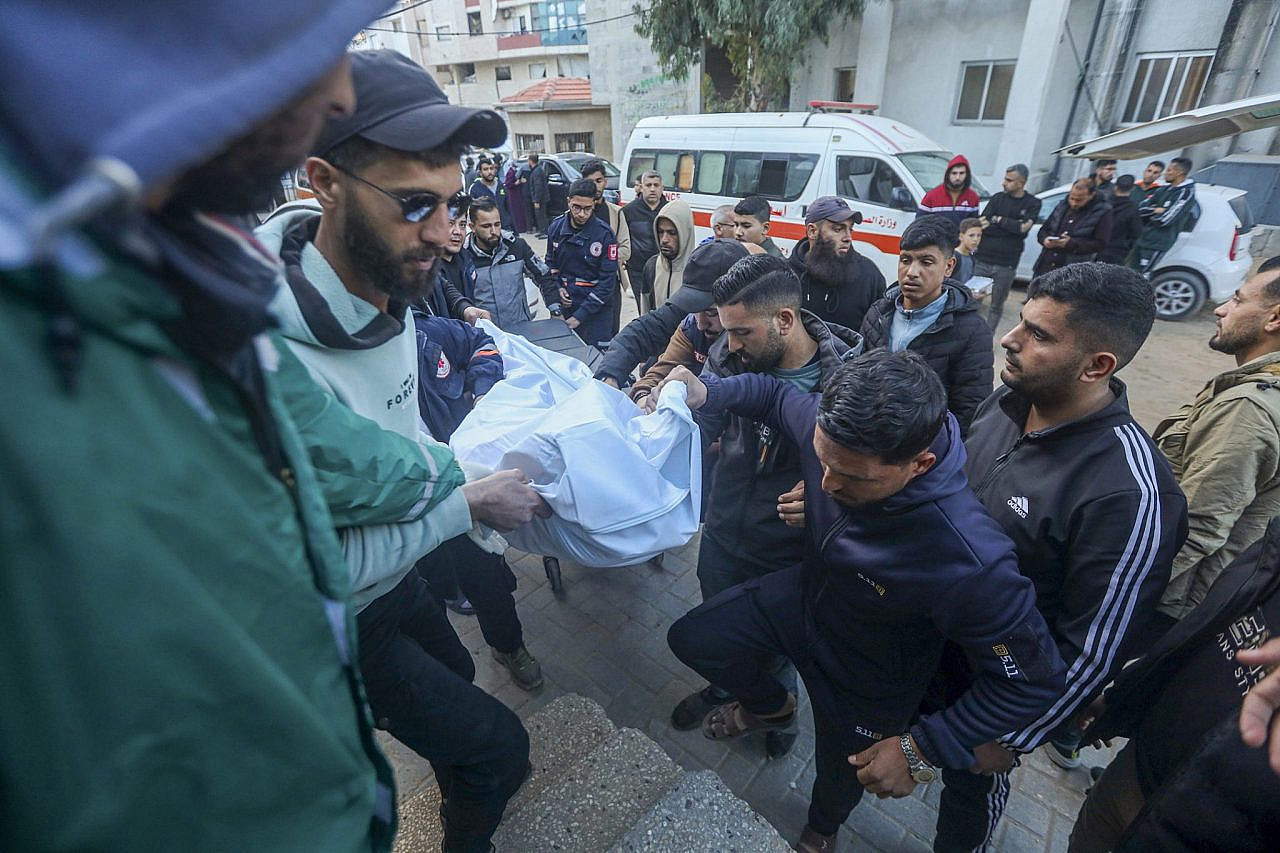
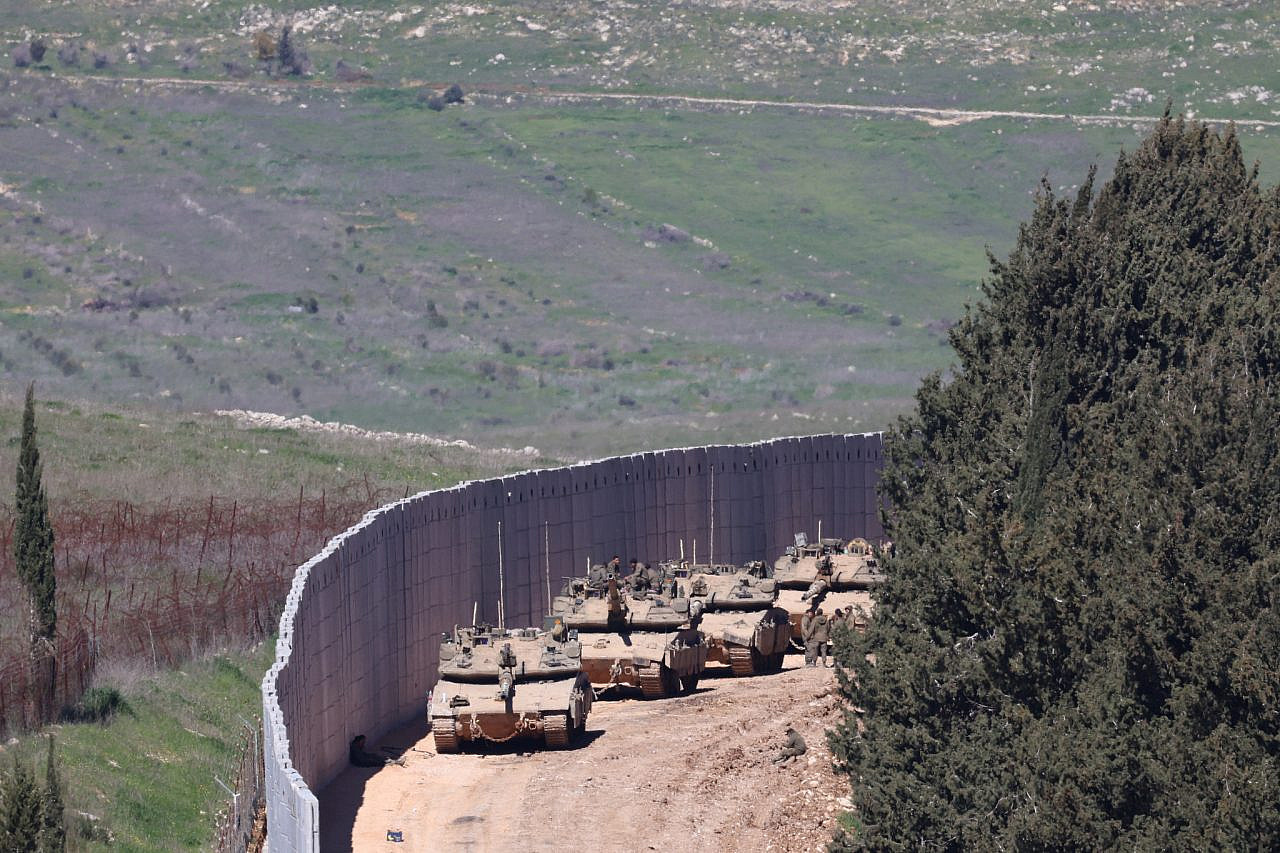
Funeral for three Palestinians killed by Israeli forces west of Gaza City, at Al-Shifa Medical Complex in Gaza City, March 8, 2026 (Yousef Zaanoun/Activestills), Palestinians mourn the deaths of three residents of Khirbet Abu Falah who were killed during an Israeli settler attack, occupied West Bank, March 8, 2026 (Avishay Mohar/Activestills), Israeli military vehicles and tanks are seen along the Israeli border with Lebanon amid the ongoing war with Iran and Hezbollah, March 8, 2026 (David Cohen/Flash90), Israeli rescue and emergency forces at the scene where shrapnel from a ballistic missile fired from Iran fell in Yehud, March 9, 2026 (Chaim Goldberg/Flash90), U.S. President Donald Trump poses with leaders of the Gulf Cooperation Council, at the Ritz Carlton Riyadh in Saudi Arabia, May 14, 2025 (Official White House Photo/Daniel Torok), Meron Rapoport (Courtesy). Local Call is co-published by Just Vision & 972 – Advancement of Citizen Journalism, the latter of which is also the publisher of +972 Magazine. |
||
| About | Privacy Policy | Unsubscribe | ||
| +972 Magazine is an independent, non-profit media initiative, supported largely by our readers. | ||
| © 2026 +972 Magazine. All Rights Reserved. | ||