October 11, 2026
| View this email in your browser | ||
|
|
SUPPORT US | |
|
October 11, 2026
|
||
|
Israeli leaders are condemning settler attacks. It’s a smokescreen |
||
|
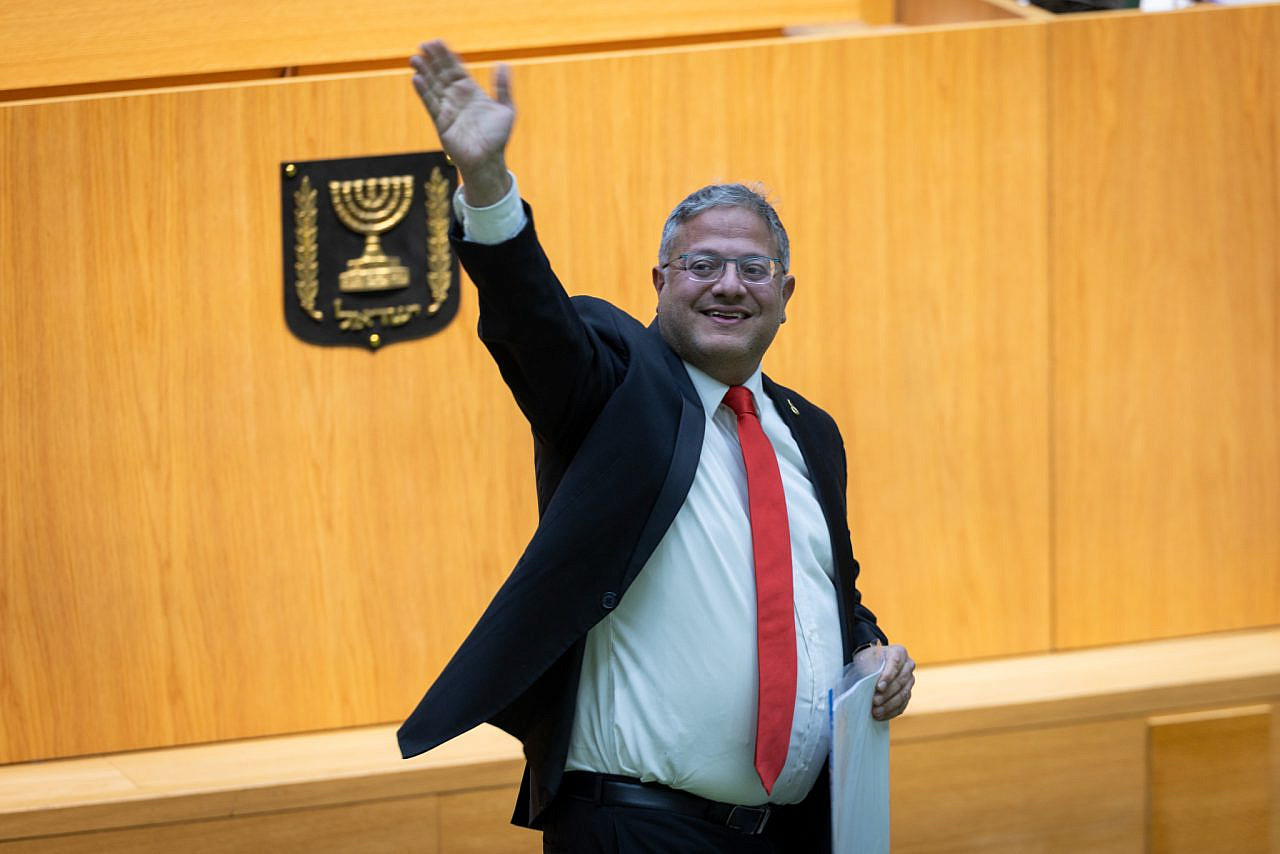
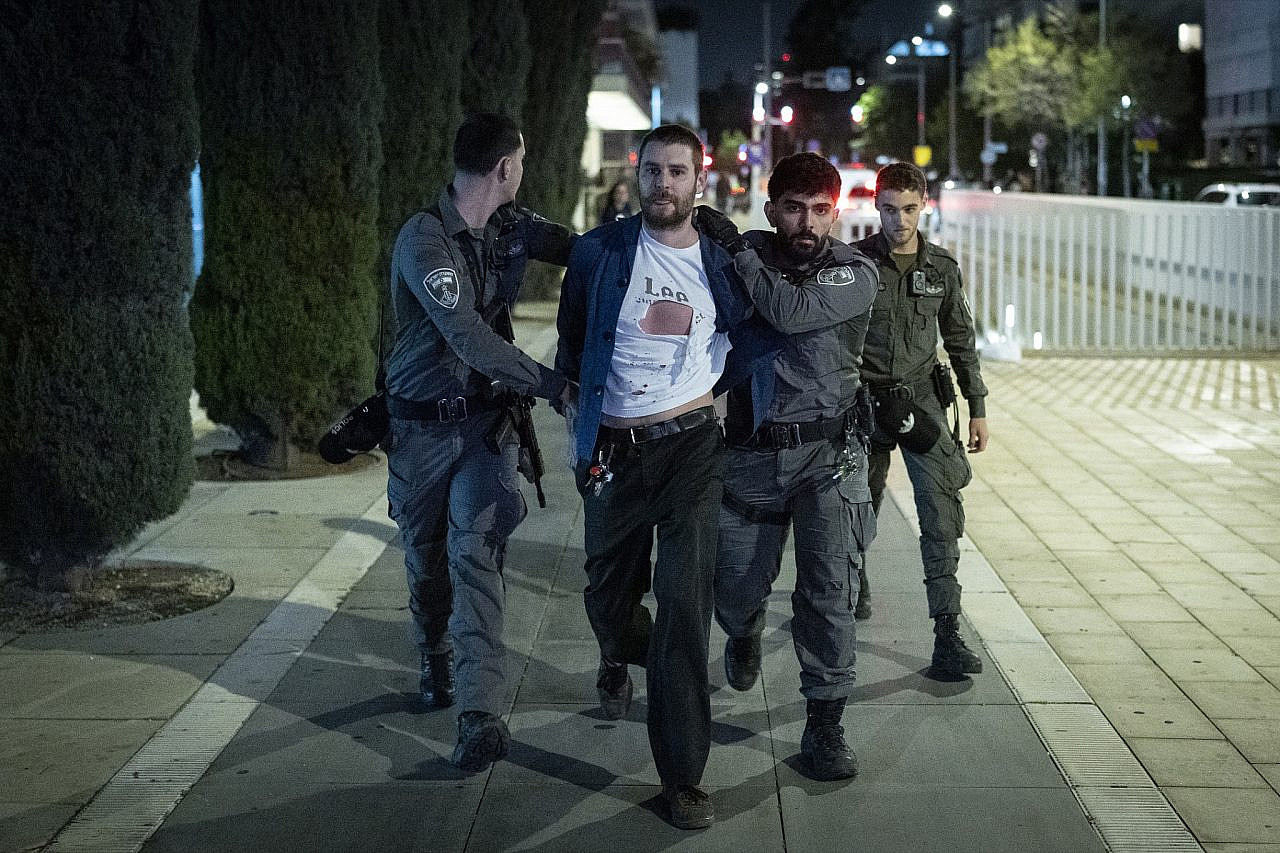
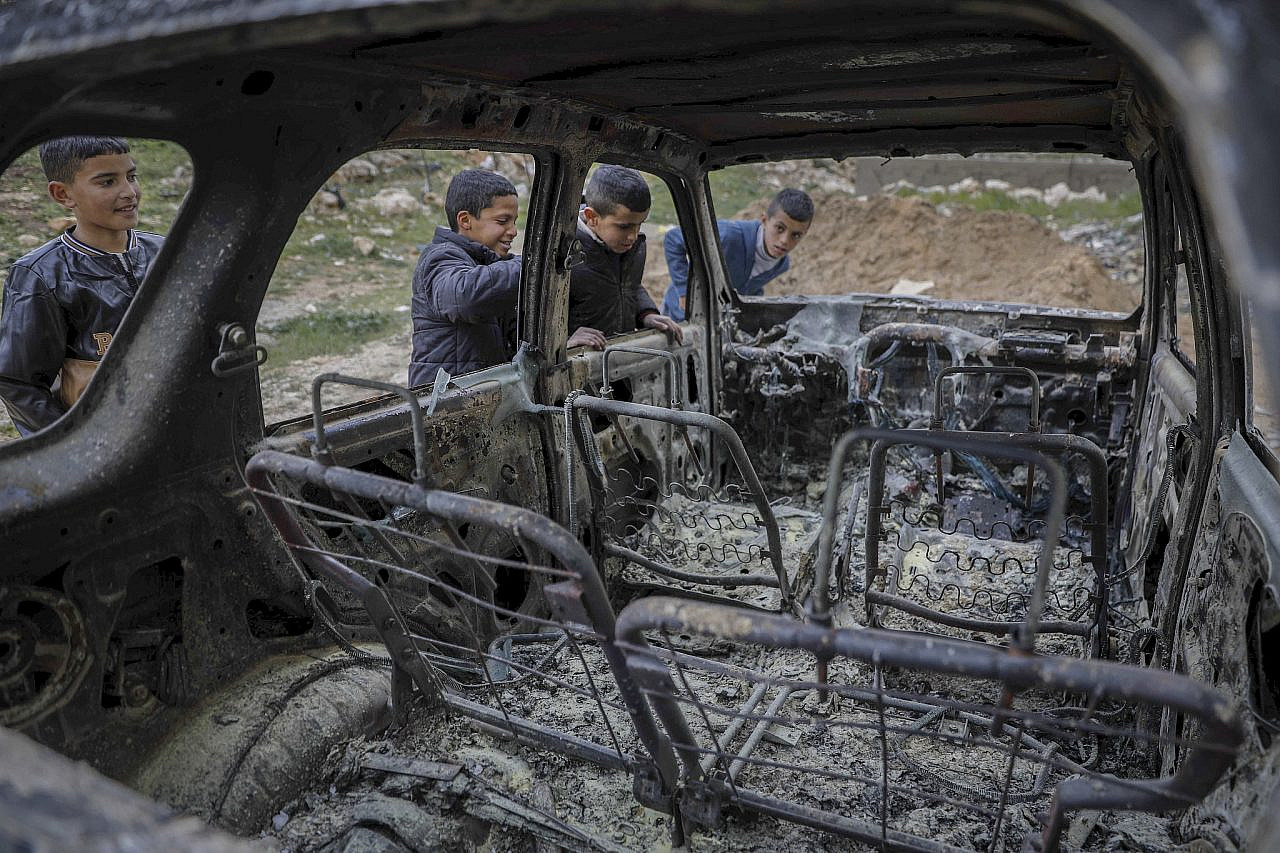
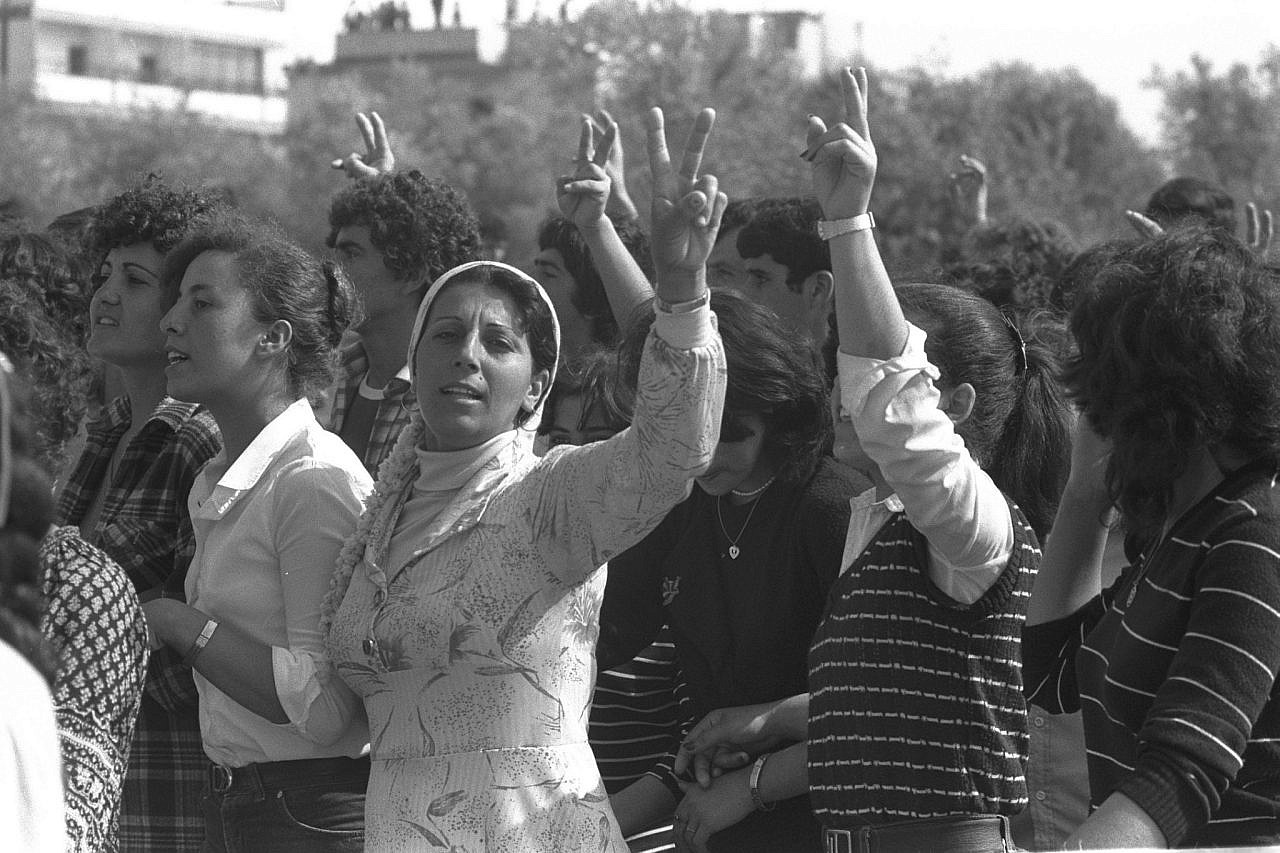
Welcome to +972’s Sunday Recap! On Monday, the Israeli Knesset passed a death penalty law aimed squarely at Palestinians — and next on the agenda is a tribunal to execute those convicted of participating in the Oct. 7 attacks. Jared Hillel wrote about why Israel was previously reluctant to implement capital punishment, and how this move represents a logical extension of an already lethal carceral system. For the past month, Iddo Elam has been gathering with fellow Israeli radical left activists in Tel Aviv’s Habima Square to protest the war with Iran. As dissent spreads to the political center and these anti-war demonstrations expand, demonstrators face violent crackdowns by Israeli police — while opposition lawmakers are still nowhere to be seen (originally published on Local Call). A spike in West Bank settler attacks since the start of the Iran war has triggered an unusually large wave of condemnations from the Israeli right, including the chief of staff of the army, prominent right-wing commentators and journalists, and even far-right ministers. Yet as Oren Ziv argued, these denunciations are a smokescreen: they aim to obscure the fact that settler violence is state policy (originally published on Local Call). This week, Palestinians marked the 50th anniversary of Land Day — the 1976 uprising against land confiscation, widely regarded as a foundational moment in the political history of Palestinians inside Israel. Noor Dadosh spoke with Palestinian sociologist Nabih Bashir about its enduring legacy at a time of war, fragmentation, and political impasse (originally published on Sabra). And Meron Rapoport, Local Call editor, reflected on how Israeli Prime Minister Benjamin Netanyahu’s use of historical analogies — from “super-Sparta” to Genghis Khan — betray an appetite for eternal war and barbaric aggression, a worldview now reflected in Israel’s regional policy. *** We are in an extraordinarily dangerous era in Israel-Palestine, one defined by genocide, apartheid, and Jewish supremacy from the river to the sea. It has never been more vital for our journalists, led by Palestinians and Israelis, to report on and analyze what is happening on the ground and beyond, guided by humanism, equality, and justice. +972 Magazine is proof that an alternative is possible — and we need your support to increase our impact. Join us. |

|


|
|
| PHOTOS, IN ORDER OF APPEARANCE: | ||
|
Israeli National Security Minister Itamar Ben Gvir during the vote to pass the death penalty law in the Knesset, March 30, 2026 (Chaim Goldberg/Flash90), Police officers arrest a demonstrator at a rally against Israel’s war with Iran, at Habima Square, Tel Aviv, March 28, 2026 (Flash90), Palestinians inspect the damage caused during overnight attacks by Israeli settlers near Al-Arroub refugee camp in Hebron, March 30, 2026 (Wisam Hashlamoun/Flash90), Young Palestinians march from Sakhnin to Deir Hanna during a Land Day rally, northern Israel, March 30, 1983 (GPO), Israeli Prime Minister Benjamin Netanyahu visits an army base near the occupied West Bank city of Jenin, July 4, 2023 (Shir Torem/Flash90). Local Call is co-published by Just Vision & 972 – Advancement of Citizen Journalism, the latter of which is also the publisher of +972 Magazine.
|
||
| About | Privacy Policy | Unsubscribe | ||
| +972 Magazine is an independent, non-profit media initiative, supported largely by our readers. | ||
| © 2026 +972 Magazine. All Rights Reserved. | ||