
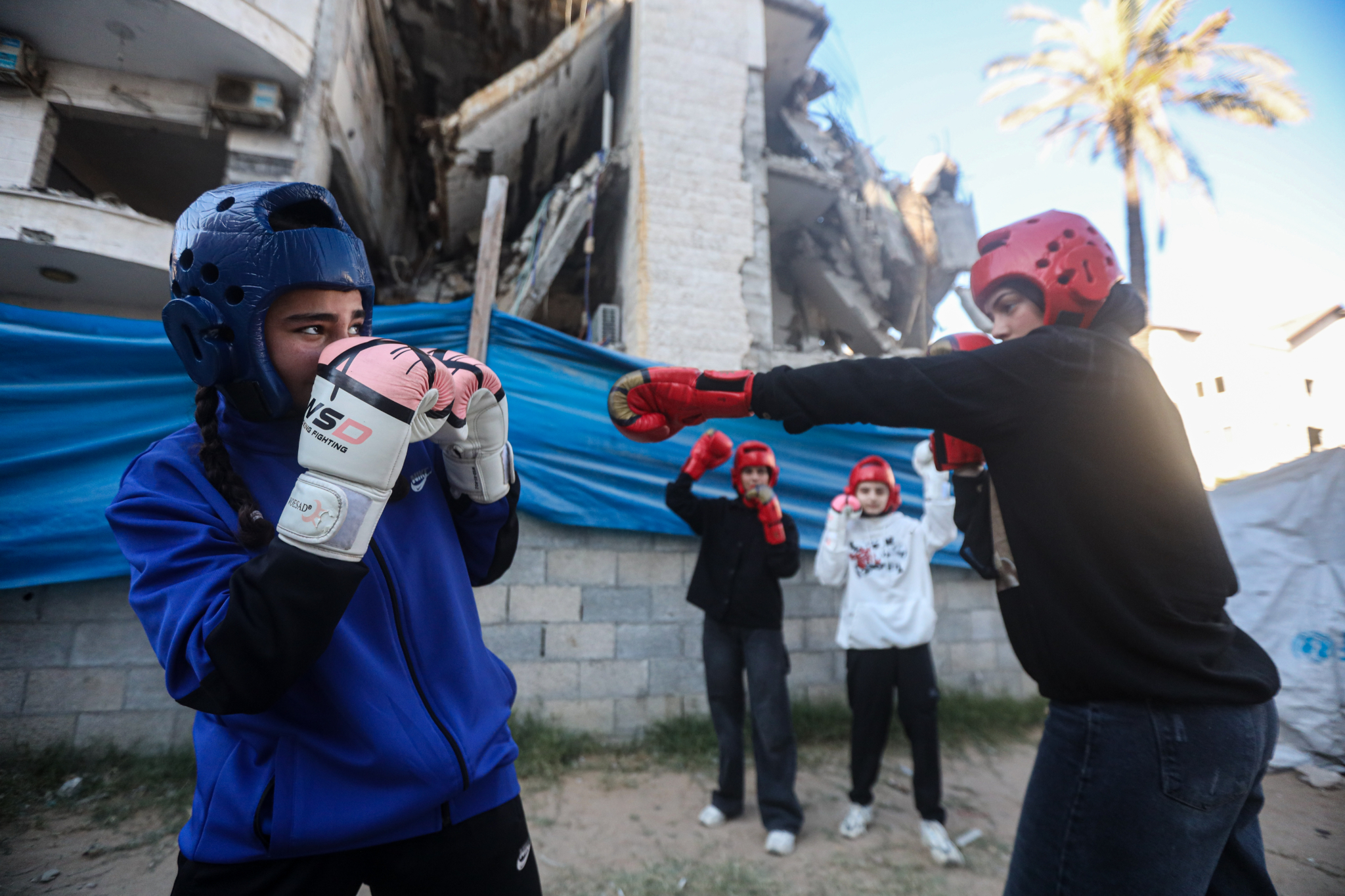
A makeshift boxing gym sits in the middle of a sprawling displacement camp in Al-Rimal, what was once Gaza City’s most affluent neighborhood. Located inside a tent, the facility has no mats or astroturf — an outcome of Israel’s suffocating blockade on goods and aid — and the girls learning to box train with little special gear or protective equipment. An adjacent tent serves as an area where the girls can practice and warm up.
Osama Ayoub, a 40-year-old coach from Gaza City built the gym from scavenged materials. “Despite the immense challenges and the severe lack of resources, I remained determined not to let sports disappear from the lives of young girls,” Ayoub told +972 Magazine. “I established this boxing tent for girls as a simple but meaningful initiative to provide a safe space for training, empower young athletes, and help them regain hope, confidence, and a sense of normal life through sport.”


Ayoub ran a fully equipped boxing club before it was destroyed, along with his home, during Israel’s genocidal war on the Strip. “I was deeply concerned about the future of sports in Gaza,” he explained, so he quickly got to work, setting up the tent and recruiting participants.
Today, he offers free training sessions to nearly 50 girls between the ages of eight and 19 in Gaza City and Khan Younis. The girls are supported by the cheers of onlookers who often gather to watch matches, some of whom do so from makeshift bleachers Ayoub erected around the tent.


Lana Al-Ashi, a 16-year-old from Gaza City, trained in Ayoub’s club before the Israeli genocide. When the club was reduced to rubble, she worried she would never be able to box again. Then Ayoub told her about his makeshift training facility in the camp. “I felt a new spirit come alive within me,” she said. “Boxing is no longer just a hobby; it is the main way I keep myself together mentally.”
While the program provides physical training, Ayoub’s primary goal is to offer the kind of psychological support Al-Ashi describes. Many of his participants have lost loved ones or homes during the war — sometimes even both — and all were denied years of their childhood.


“If it weren’t for this makeshift tent we train in, our psychological state would be in total collapse,” said Judy Al-Nimer, a 14-year-old participant whose family was displaced several times throughout the genocide. “Boxing for me is a true lifeline — it is the only place where I can release all the pent-up anger and grief in my heart.”
The gym is also a space for girls to establish a semblance of a routine after years of uncertainty. “The absence of schools kills our future and leaves us in a deadly vacuum consumed by thinking and fear of the unknown,” Al-Nimer said. “When I put on the gloves inside the tent, I feel that I am not weak, and that I am regaining my strength and self-confidence, which this reality tried to shatter.”
Most read on +972

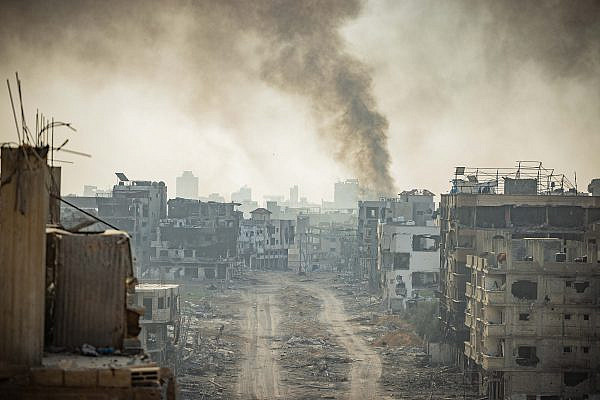
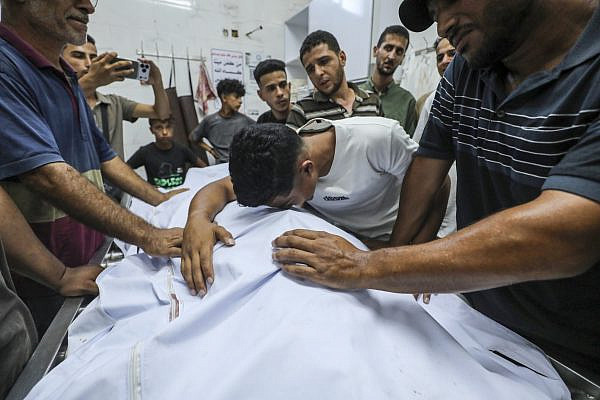
Even though a ceasefire is ostensibly in effect, participants often train under the sound of drones and bombings nearby. “I used to tremble with fear with every explosion that shook the tent,” Al-Nimer recalled. “The Israeli shelling does not stop,” Al-Ashi concurred. “In those terrifying moments, we exchange glances with the coach and the girls, and instead of running away, we continue punching with even greater determination: This sport has taught us not to lower our eyes in fear.”
Although their training remains confined to the small gym, the girls have their sights set on something bigger: To be able to travel outside of the besieged Strip and compete in international boxing championships while representing Palestine. “My ambition, my dream, and the dream of all the girls here is to get a chance to go out and compete in international rings,” Al-Ashi said. “I want to raise the Palestinian flag high and prove to the world that we are a people who love life and deserve joy.”