
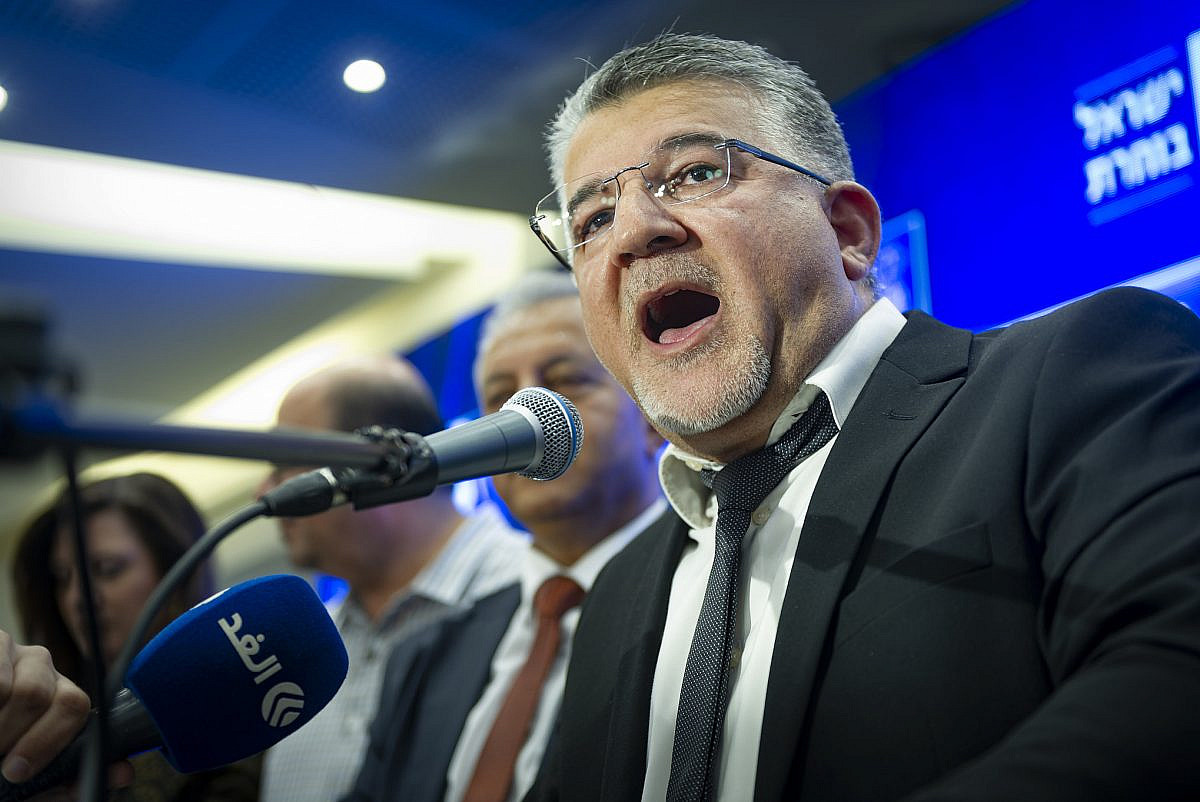
Let the record show: Palestinians in Israel achieved a historic turnout of 80 percent in this week’s election, heeding the call of their brothers and sisters in the West Bank, in Gaza, and in the torture dungeons across Israel.
We took one of the few cards we have to play and used it to full effect, standing together against the genocidal establishment, against Itamar Ben Gvir’s criminality, and against Bezalel Smotrich’s attempts to Judaize the Galilee, the Naqab, Ramle, Lyd, and Jaffa. And you know what? We did it in the most inspiring way possible.
My social media feed was full of elderly people in their 90s heading to the polls, in some cases carried by younger members of their family whose future on the land they were seeking to protect with their vote. Many Palestinians who have traditionally boycotted Knesset elections for ideological reasons (among whom I used to count myself) shared messages from relatives of political prisoners pleading with us to vote and remove the sadistic Ben Gvir from power. People in the West Bank with no protection asked those of us with Israeli citizenship to use our votes to help protect them.
In a country where we are treated as a constant threat and barely able to even voice our pain over what’s happening to our people in Gaza, it is a mistake to view voting in Knesset elections as merely legitimizing the facade of Israeli democracy. That ship sailed a long time ago. It’s clear to anyone paying attention that Israel cannot be “Jewish and democratic”; as Joint List MK Ahmad Tibi once said, it is “democratic” for Jews and “Jewish” for Arabs.
After witnessing a live-streamed genocide in Gaza and ethnic cleansing in the West Bank, the whole world finally sees what Israel does to millions of people it rules over who have no ability to decide their own fate. If you still call this a “democracy,” I’m afraid you’re unable to recognize one even if it slaps you in the face. You know, because it has the right to defend itself.
And so we voted. We organized. We showed up. In our fractured community, riddled with crime and neglect, taking collective action to utilize what little power we have is cause for celebration.
Why, then, does this victory feel so hollow?
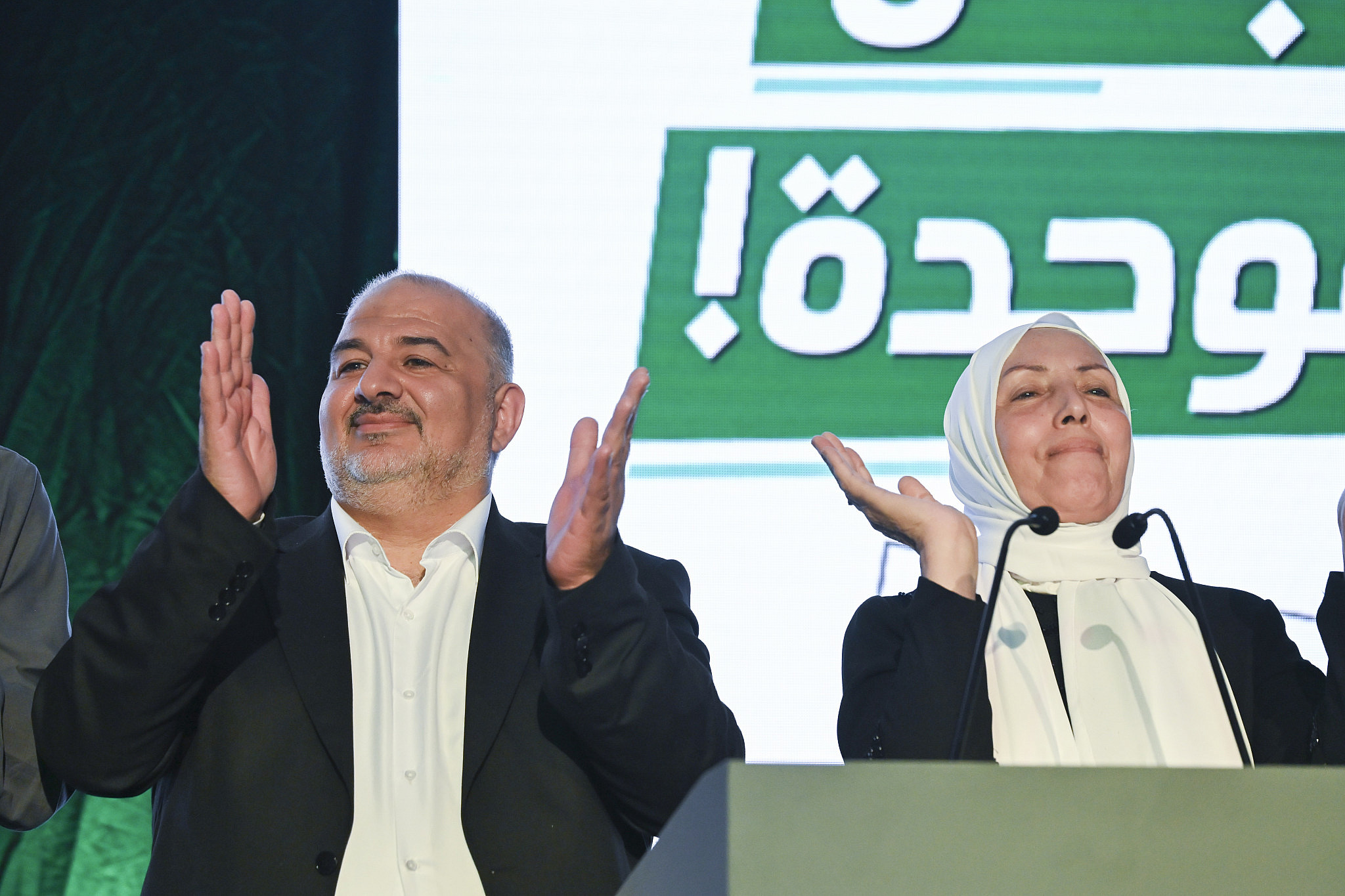
Because the hegemonic Israeli political system sees massive Arab turnout not as a celebration of democracy but a threat to the Jewish state. And you guessed right, I’m not just talking about Benjamin Netanyahu.
Prior to the elections, almost every leader from the anti-Netanyahu bloc declared their intention to rely only on “Zionist” parties to form the new government — explicitly ruling out any cooperation with the Joint List and the United Arab List (Ra’am). Even now that it’s clear the opposition has no majority without these Arab parties, the anti-Netanyahu bloc is still largely excluding them.
Everyone and their mother went out to oust Netanyahu. But in a society that has turned full-blown genocidal, even securing almost 20 seats in parliament — one-sixth of the total — could prove to be worth very little. If the one tool in our arsenal fails, what hope do we have?
For what?
There is something both inspiring and heartbreaking about how Arabs in Israel view their place in the country. We all know we would stand defenseless once Ben Gvir starts executing his final solution while the rest of Israeli society cheers him on. And if you think I’m exaggerating, just recall what happened in May 2021.
That month, almost every Palestinian city, town, or street in Israel revolted against systemic racism and what was happening at the time in East Jerusalem and Gaza. Those were the days after the normalization accords, and it felt like this short resurgence in hardcore protest restored some collective dignity. We felt proud of our Palestinian identity, rose up in unison — as a power to be reckoned with — and labeled it “the Unity Intifada.”
The protests were met with extreme police brutality and subsequent years of political persecution — and that was before the genocidal era. But we resisted nonetheless.
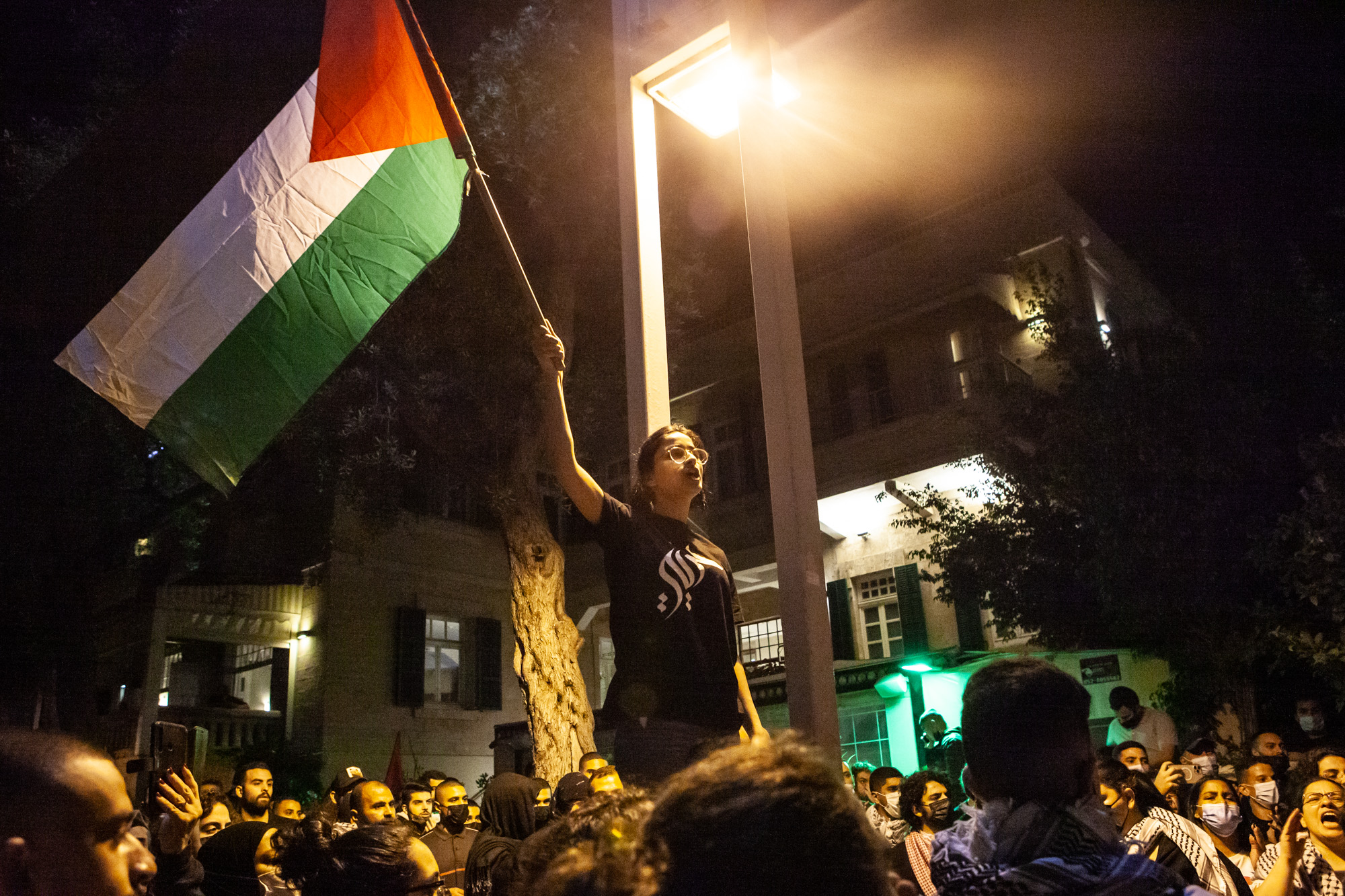
I was excited then about a possible popular uprising led by the youth, similar to what we’ve seen in Europe in recent weeks. We hoped that the movement from the streets would translate into political influence, putting us in a position where we could demand equal rights without compromising our core values: that we are also part of the Palestinian people, and our identity cannot be erased.
Then Mansour Abbas, head of Ra’am, decided to break ranks and join the Israeli government. For the first time in history, a non-Zionist Arab party was part of the coalition. But the conditions Abbas set for joining the coalition amounted, more or less, to accepting Israel’s Jewish identity and settling for budgets.
Our Palestinian identity, the common thread holding our community together, was sacrificed for the Israeli government promising to act against the criminal gangs terrorizing our streets. What should have been a given was treated as an “achievement” that Abbas was able to extract from Naftali Bennett and Yair Lapid, who headed the new government.
In an instant, all the momentum from a historic protest movement was lost. Our community has become increasingly individualistic as a direct result of that miscalculation.
Most read on +972
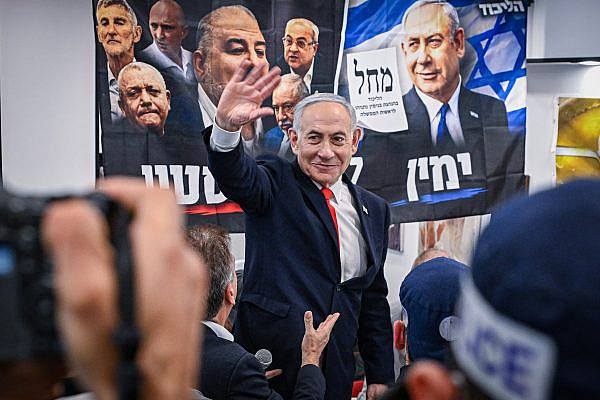

Five years later, we have risen up again in huge numbers to oust Netanyahu, Smotrich, and Ben Gvir. Yet again, however, we’re afraid it was all for nothing.
Already, Netanyahu’s Likud has launched a smear campaign against Arab voters, claiming without basis that our parties “stole the election” thanks to Qatari interference — the Zionist version of Donald Trump’s infamous “stop the steal,” only more predictable. His goal is obvious, and it is likely to succeed: Any chance that the opposition leaders might have gone back on their word and cooperated with the Arab parties to depose Netanyahu appears to be waning.
We voted. We organized. We showed up. Will it ever translate into an actual historic achievement?