
In partnership with

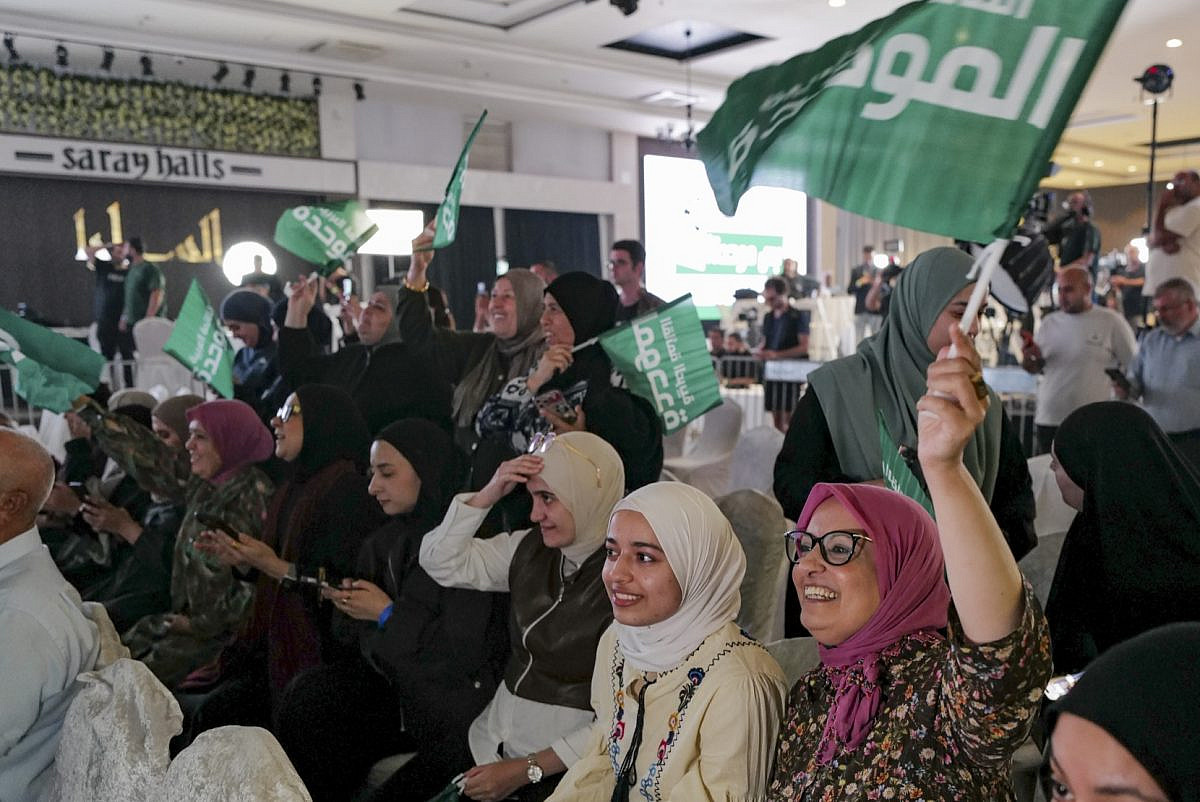
For weeks, polls have been predicting a surge in Arab voter turnout compared to previous Israeli elections, perhaps reaching as high as 70 percent. Yesterday’s results blew those predictions out of the water, with early estimates suggesting turnout was around 80 percent — the highest among Palestinian citizens of Israel in decades, and above the national average.
With final votes still being counted, the two Arab parties — the Joint List and the United Arab List (Ra’am) — are projected to achieve a combined 18–19 out of the Knesset’s 120 seats, surpassing their previous record of 15 in 2020. In every sense, yesterday was a historic day for Palestinian politics in Israel.
Exit polls and expert analyses were not necessary to prove it. You only had to stand outside polling stations in Arab communities, as I did all day, and remember what the same places had looked like during previous elections.
This was the ninth election that I have voted in, and the eighth that I have covered as a journalist. But I have never seen anything like what I saw yesterday.
The signs had been there even earlier. In past elections, when I asked people in the weeks leading up to election day whether they planned to vote, I would usually hear some version of the same response: “There’s no one to vote for,” “They’ve all disappointed us,” or “What difference will it make? The state will do whatever it wants anyway.” Sometimes someone would spend 10 minutes explaining why they didn’t believe in elections, and by the end I still would not know whether they planned to stay home on election day.
This time, that discussion was almost entirely absent. “Of course I’m voting” was the response I heard over and over again.
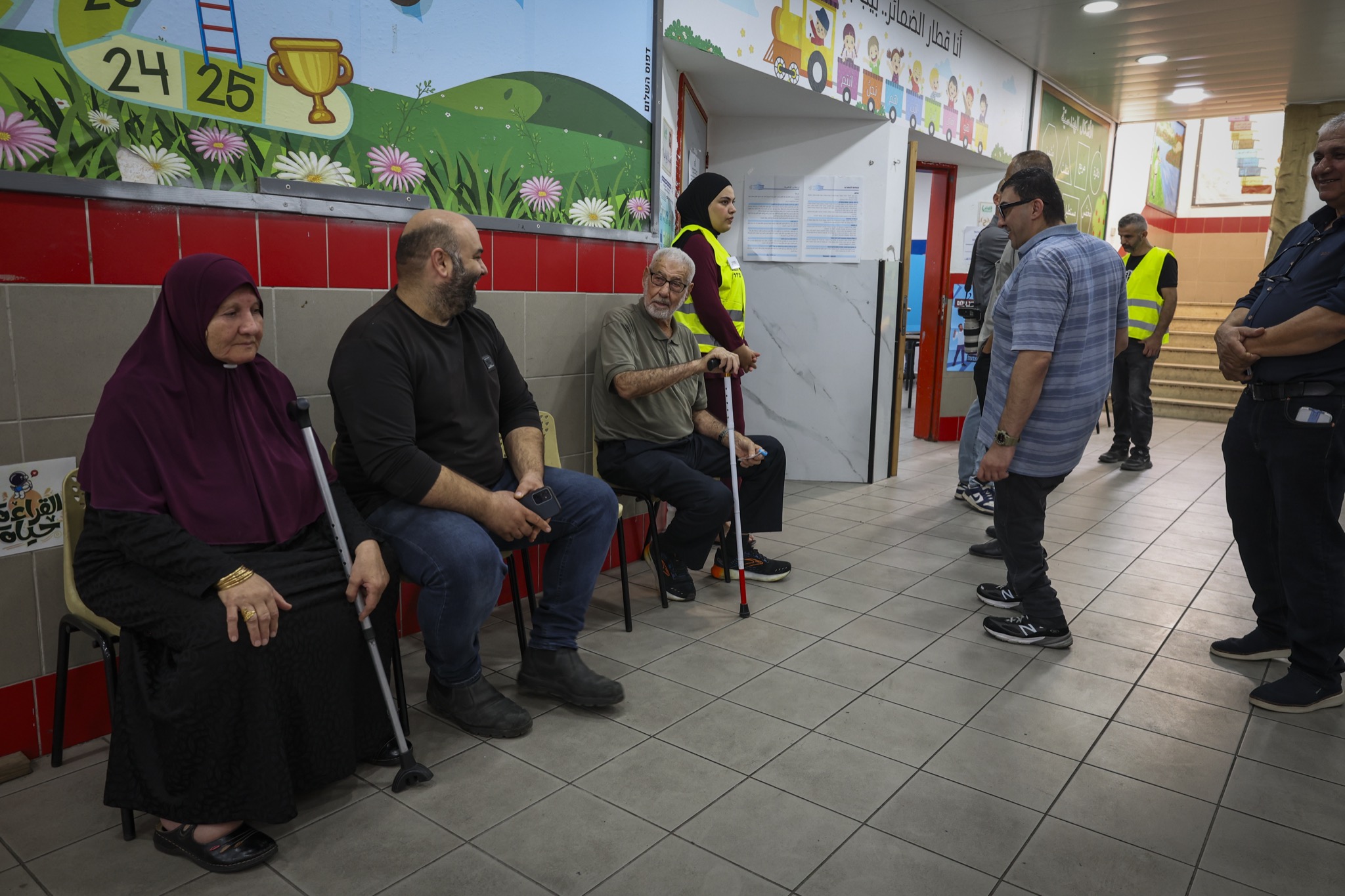
In Nazareth, this sentiment was especially striking. I visit the city almost every election day, and in recent elections the feeling of alienation from national politics was palpable in the streets. In the previous election, turnout barely reached 48 percent. Since then, the city has gone through crisis after crisis, all of which have contributed to a deep sense of disgust with politics and politicians.
Yesterday, however, I saw women over 90 arriving at polling stations. I don’t know what they thought about the Arab parties and their internal disagreements, but they had clearly decided that this time, there was no way they were staying home. Scenes like these can tell you more about an election than a database full of numbers.
There was another fact mobilizing high turnout in some of these communities. Local ties are a powerful force in Arab society. That is why turnout in local elections is usually much higher than in Knesset elections: People know the candidates and their families, and the mayor or council head has a direct impact on their lives.
But yesterday, something interesting happened: The Knesset election began to feel like a local race.
In Iksal, the presence of Ahmad Darawshe, a young man from the village, in eighth place in the Joint List, gave people another reason to vote. In Umm Al-Fahm, Joint List chairman Yousef Jabareen had a similar effect.
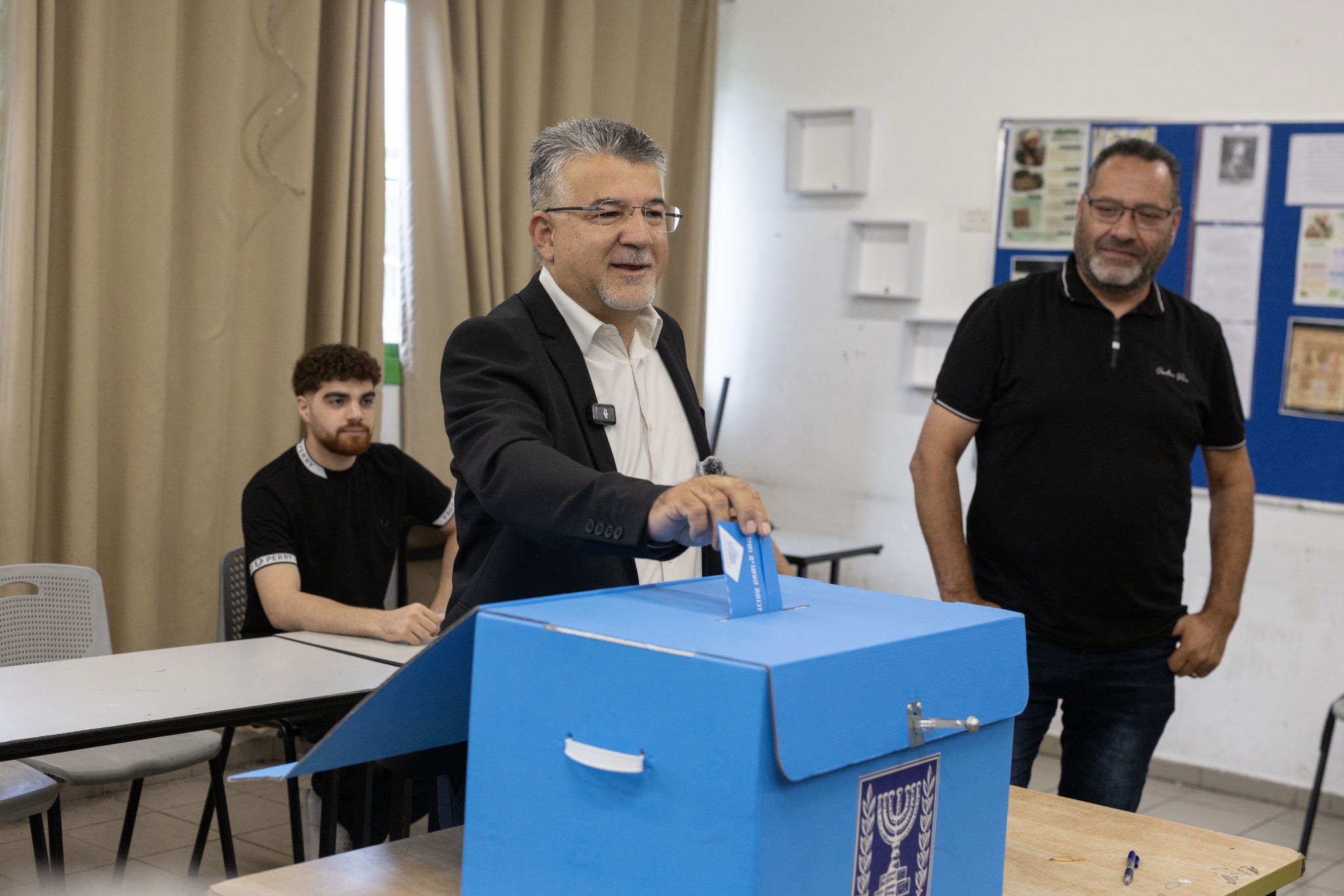
As I traveled around, I realized this was happening in many places. In my own village of Kafr Misr, a small community where national elections are usually not a major event. This time, however, people came to the polling booth in large numbers and eagerly discussed who they should vote for. Things that usually felt distant — the government, the coalition, and the Knesset — suddenly felt very close to home.
Bringing national politics to every home
Everyone who worked in recent months to increase turnout in Arab communities deserves credit: the candidates, local activists, and campaign organizers. They reached out to people, made phone calls, were active on social media, and worked on the ground. But voter outreach alone cannot explain the shift from years of apathy to turnout approaching 80 percent.
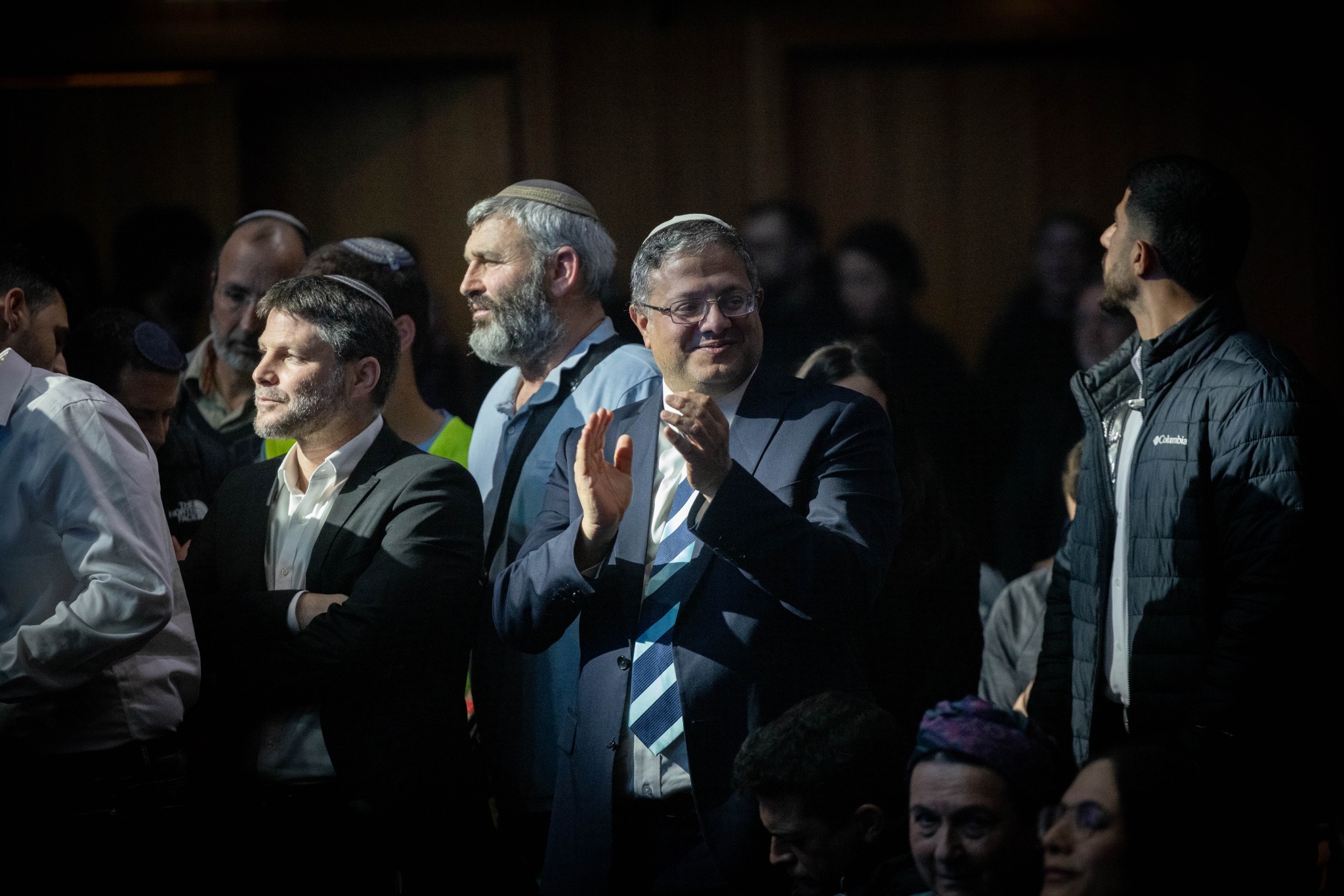
In my view, the two people who did the most to make this election a local event were far-right ministers Itamar Ben Gvir and Bezalel Smotrich.
In Arab society, for better or worse, we tend to take things personally. For years, you could tell people that the right wing needed to be defeated, but that was rarely enough to get them to vote. People could be angry with the government, curse at the news on television, and still stay home on election day. Ben Gvir and Smotrich changed that. Their actions brought national politics into almost every Arab home.
Over the past four years, violent crime has devastated our communities, and many feel the state has abandoned us to face it alone. Home demolitions are no longer an abstract political issue. Smotrich’s rhetoric about “Judaizing” the Galilee and the Naqab (Negev) concerns the land on which hundreds of thousands of us live.
Incitement against Arabs has become routine; for some ministers in the outgoing government, it is an integral part of their political identity, something they present to voters as proof that they are doing their jobs.
Ben Gvir and Smotrich continued their attacks even on election day. As the high turnout in Arab communities became clear, Smotrich stopped his campaign tour and called an emergency meeting. Ben Gvir went to the entrance of Kafr Qasim to warn his supporters about the “insane turnout rates” among Arabs.
For years, Palestinian citizens have been treated as dangerous simply for demanding land, security, equality, or the right to speak out about atrocities done to our people. On election day, even our decision to exercise the most basic democratic right was presented as a threat.
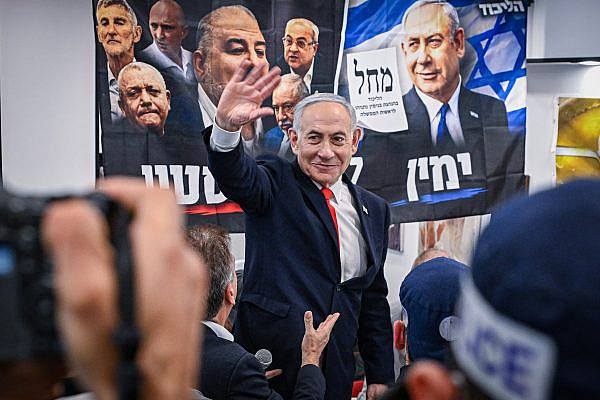
That incitement has continued today, with Prime Minister Benjamin Netanyahu’s Likud party claiming — without any evidence or basis — that the election was “stolen by Arab parties.”
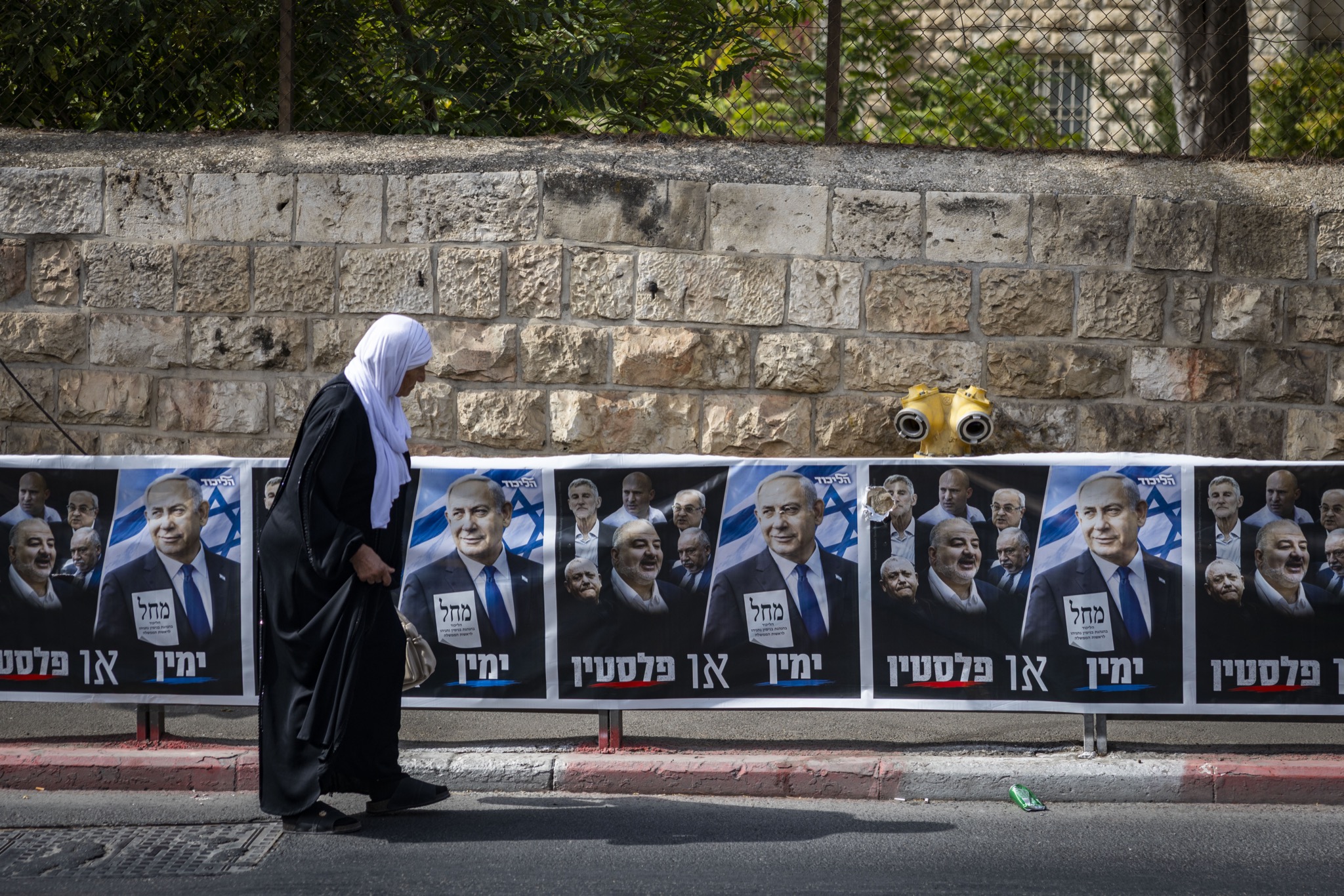
Two months ago, when Smotrich posted an AI-generated campaign video presenting his Judaization plans as terrifying Palestinian citizens, he accompanied it with the sentence: “Ahmed has reason to be afraid.” More than the explicit threat, what struck me was the way this was brandished as an achievement. Smotrich was not trying to reassure Arab citizens that his policies would not harm them; he was telling his voters that Arab citizens are afraid of him, and angling for more votes because of it.
Ultimately, when someone openly boasts about harming you, at least you no longer have to wonder whether to take the threat seriously. Ahmed may have reason to be afraid, but he also has the right to vote. Yesterday, that is exactly what he did.
From alienation to determination
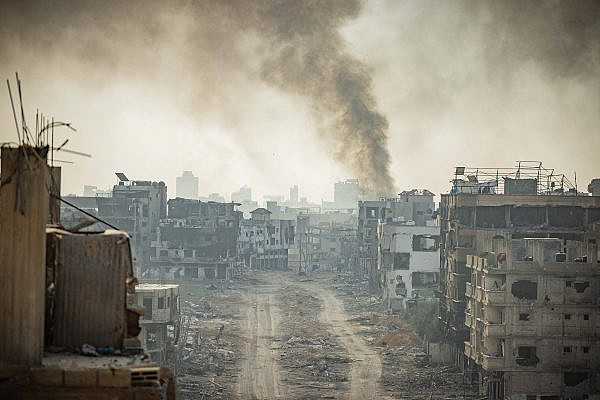
There is something paradoxical about this historic result. Recent years have not brought Arab society closer to the Israeli state; they have pushed it further away. The genocide in Gaza, the ethnic cleansing in the West Bank, the incitement against us, restrictions on our ability to even speak about what our people are going through, and the crime and insecurity in our communities have all weakened trust in state institutions and the political system.
And yet, precisely from that sense of alienation people went out to vote in their masses.

In reality, there is no contradiction here. You do not have to believe in a political system to use the tools it gives you. You can doubt that another government will solve your problems, be unhappy with the Arab leadership, and feel that neither the state nor the world cares much about your safety and future. And still, you can look at Ben Gvir and Smotrich and decide that you will not stay home while they ask for another four years in power.
Perhaps that is the biggest difference between yesterday’s election and others in recent years that felt, at the time, to have been historic in their own way. Back then, people were mobilized largely by hope: the unity of the Joint List, the possibility of greater Arab representation, and the sense that something new might happen. There was hope yesterday too, but what I felt most strongly was determination. People were not necessarily convinced that anyone on the ballot would improve their lives. They knew what they did not want to continue.
There will be time to examine the choice between the Joint List and Ra’am, which party gained more, and what voters were trying to tell each of them. But the most important thing is that people showed up.
For years, we have talked about the breakdown of Arab society, about how crime and despair have turned a community with a shared sense of destiny into groups focused on their own survival. Yesterday, for one day, I saw something different.
Most read on +972
We will continue to argue about national identity and political partnership, about the Knesset and the limits of working within it. But hundreds of thousands of people decided that, despite those disagreements, we are all facing this existential battle together.
Ben Gvir and Smotrich wanted Arabs to be frightened, weakened, and desperate enough to stay home. Yesterday, they discovered that fear and despair do not always lead to silence.
A version of this article was first published in Hebrew on Local Call. Read it here.