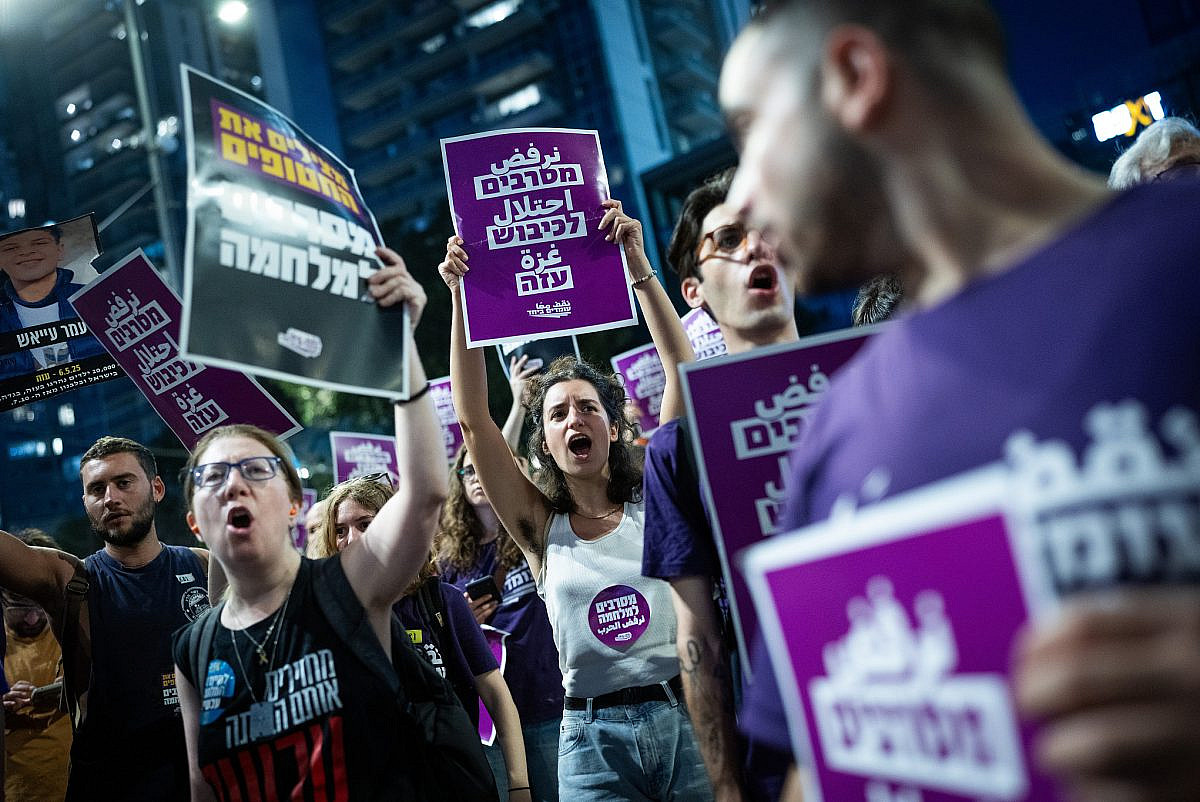
It is easy to see Jewish-Palestinian partnership as a radical idea in Israel today. In a society that has shifted sharply to the right, where Palestinian citizens’ basic political rights are increasingly being called into question, simply bringing Jews and Palestinians together in a single political movement can seem like a challenge to the prevailing order.
To a large extent, this narrative of partnership is the one that the Standing Together movement has built its public presence around in recent years. It is also the narrative that A Place for Us All, a political party founded in June by some of the movement’s most prominent leaders, sought to bring into the electoral arena before withdrawing its Knesset candidacy in September.
But partnership, as a political relationship, is not merely the presence of Israeli Jews and Palestinians within the same framework. While standing alongside Palestinians in opposition to injustice is a real form of solidarity, partnership must be judged by something more: whether it expands Palestinians’ political autonomy, challenges the structures of power that produce their oppression, and creates the conditions for genuine political change.
These questions become especially urgent at a time of genocide, when the language of partnership and reconciliation can also become a way of sidestepping questions of responsibility and accountability. Those who oppose the Gaza genocide from within Israeli society have a political role that goes beyond declaring a moral position. They must bring the confrontation into their own society, challenging its political structures, its institutions, and the language that made such violence possible and acceptable.
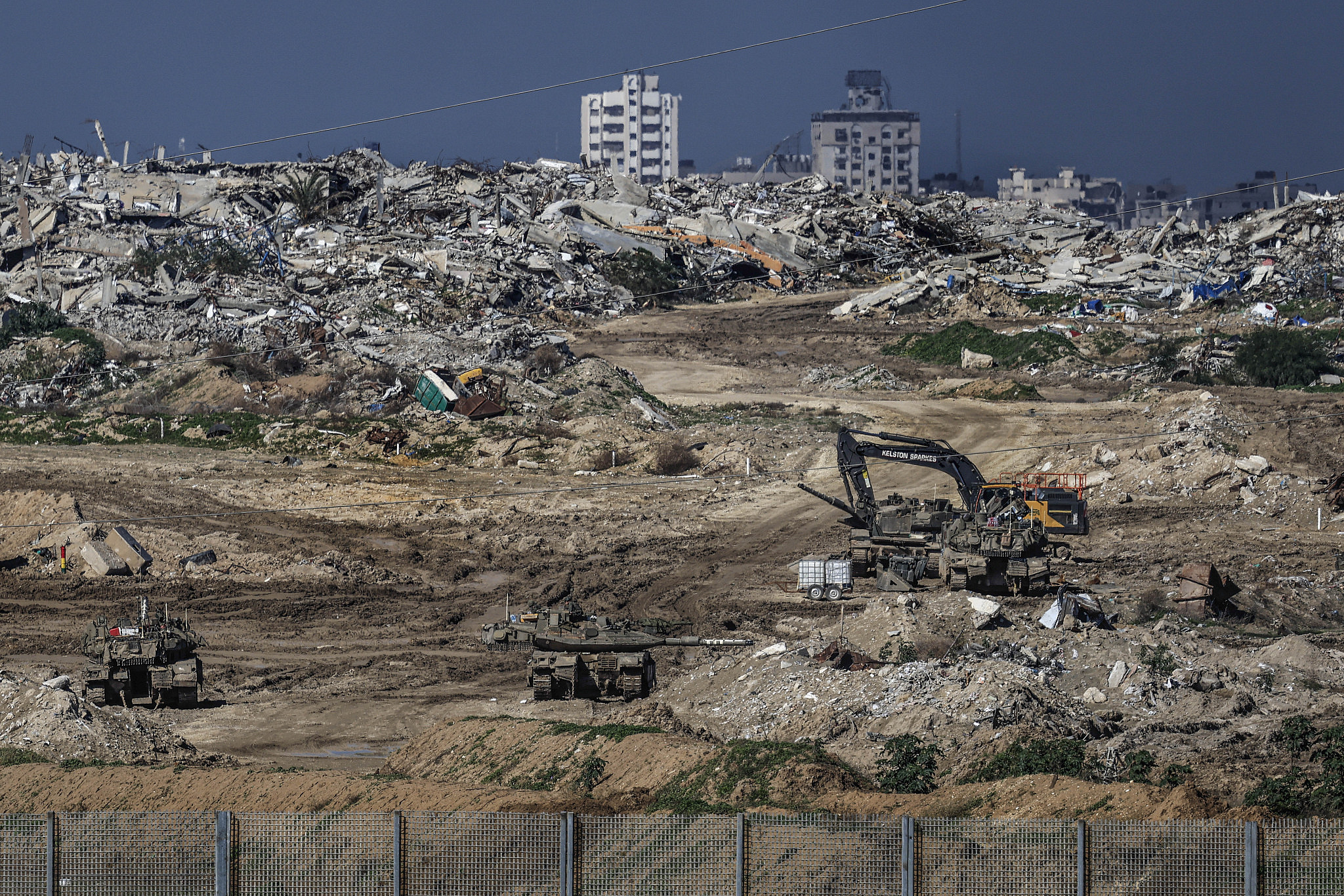
The genocide has laid bare another truth: There can be no settlement with a project founded on Jewish supremacy, sovereignty, and privilege, and on the denial of Palestinian sovereignty. This means that anti-Zionism is central to the very meaning of Jewish-Palestinian partnership, not an ideological detail that can be postponed until a more convenient moment.
A meaningful partnership must recognize the need to work toward a future beyond Zionism, one grounded in recognition of Palestinian sovereignty and the right of Palestinians to determine and shape their own political future — rather than rearranging their relationship within the existing terms of Jewish sovereignty.
Success at whose expense?
The limits of the model of partnership offered by Standing Together have long been clear, but it is worth dwelling on one particular example.
In August 2024, the movement announced the launch of its “People’s Campaign Against Starvation in Gaza,” calling on people to donate food and aid to Palestinians facing Israeli-induced famine in the Strip. These food drives began in the city of Sakhnin and quickly spread across Palestinian localities inside Israel, from the Galilee to Wadi Ara and the Naqab (Negev).
The response soon exceeded the organizers’ expectations: Within roughly three weeks, nearly 300 trucks of food and aid had been filled by around 30,000 participants. The movement presented the campaign as the largest mobilization by Palestinian society inside Israel against the genocide since October 7.
If the scale of the response demonstrated anything, it was above all the widespread willingness among Palestinian citizens to act in support of their people in Gaza when a practical means of doing so was available. But that very possibility deserves closer scrutiny.
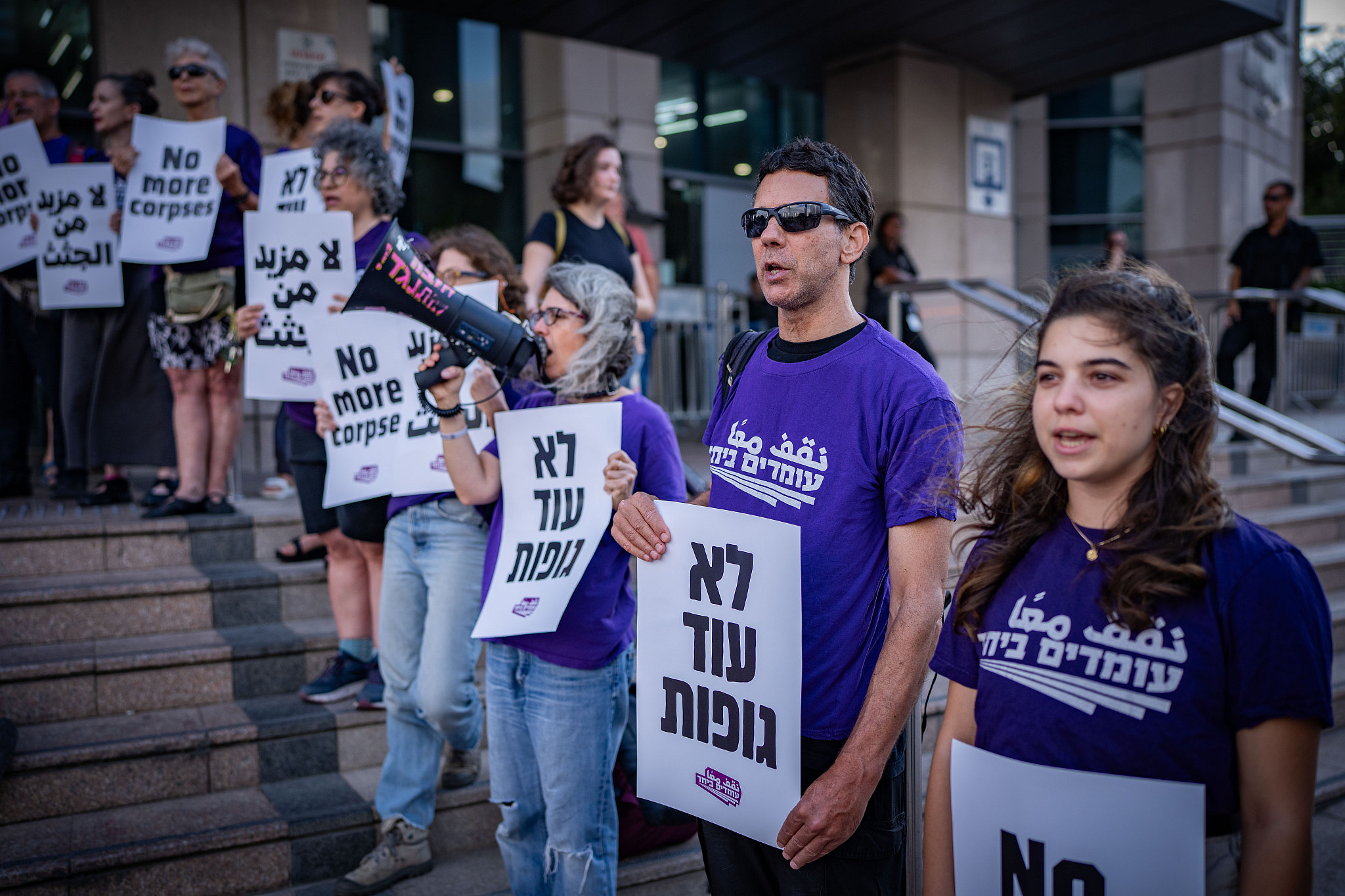
As the campaign spread through Palestinian towns, the news outlet Arab48 published an investigation into the restrictions the Israeli government had imposed on Palestinian aid organizations inside the country. Some were prevented from collecting donations or had their activities restricted, and more than 70 had their bank accounts frozen, some just days after the war began. Members of these organizations were also pursued, arrested, and subjected to home searches.
In other words, while independent Palestinian organizations contended with a government crackdown, a joint Jewish-Palestinian movement was able to organize a large-scale campaign across Palestinian towns and mobilize thousands who wanted to provide assistance to Gaza.
This is not to question the intentions of Standing Together or the value of the campaign itself. The movement undoubtedly sought to provide an essential humanitarian service, and created an opportunity for Palestinians to act at a moment when their ability to do so was severely constrained. Its campaign also represented a form of opposition to the Israeli government and to those within Israeli society who actively sought to prevent humanitarian assistance from reaching Gaza.
But the success of the campaign should not only be measured by the number of participants mobilized or the amount of aid collected. It must also be evaluated on the basis of whether it strengthens Palestinians’ autonomy and capacity to organize, or rather if, by taking over the very political space from which Palestinian organizations have been excluded, it further marginalizes and constrains independent Palestinian action.
Overlooking existing Palestinian politics
The same question arises in the electoral arena.
In June 2026, some of Standing Together’s most prominent leaders established A Place for Us All, presenting it as an attempt to create a Jewish-Arab political partnership that was “truly equal.” Its leaders sought a place within the Joint List, the alliance of Palestinian-majority parties inside Israel, arguing that the new party represented a broad popular constituency and should be recognized as a political partner.
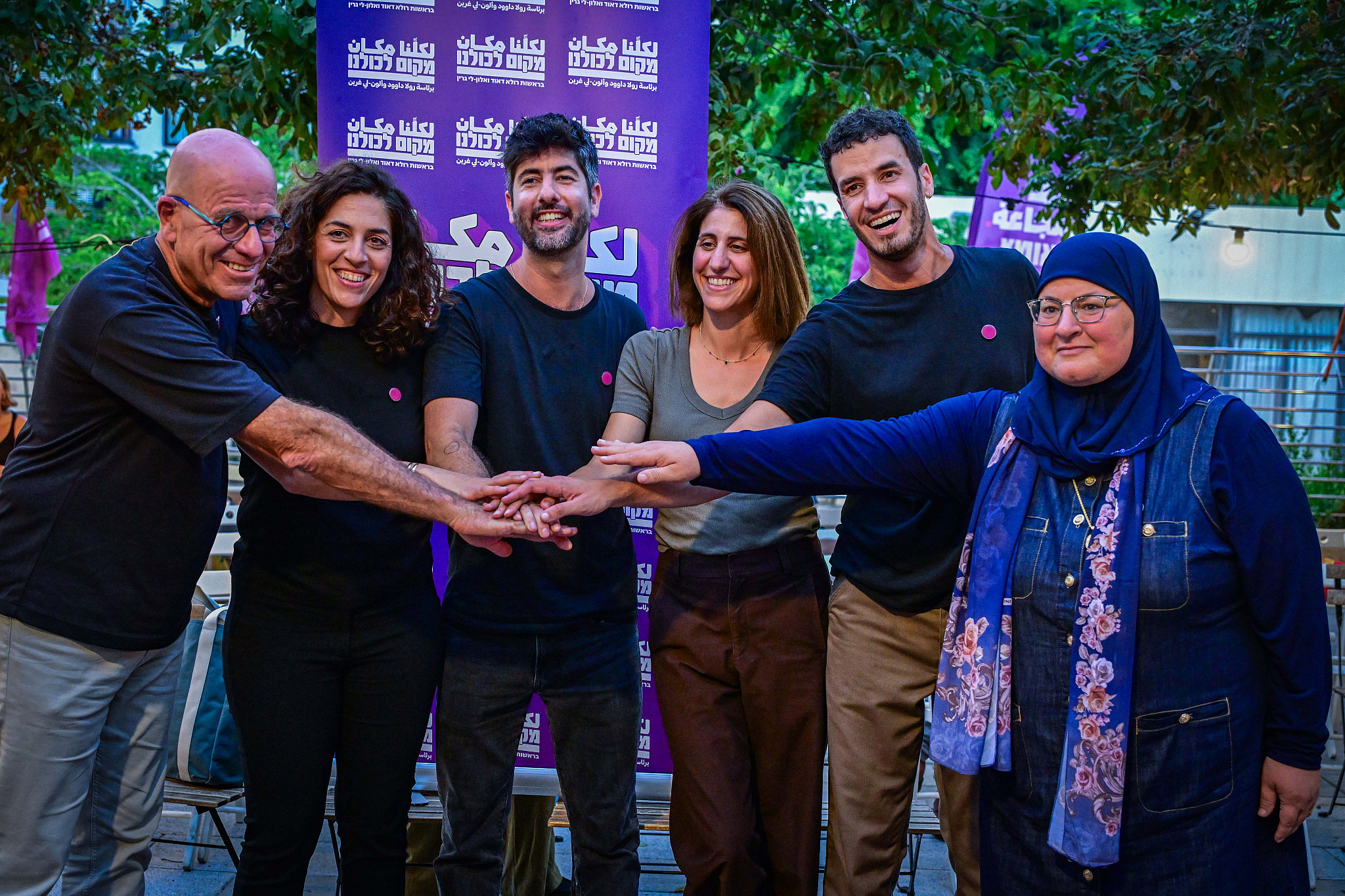
Three months later, after failing to reach an agreement to join forces with the parties of the Joint List and with polls putting it below the electoral threshold when running alone, A Place for Us All withdrew from the Knesset race. But the debate surrounding its formation and efforts to team up with Palestinian-led parties raises questions that extend beyond its electoral prospects.
The presence of Jews and Palestinians within the same political framework is nothing new in Israel. Palestinian political projects, such as Balad, have at various points included anti-Zionist Israeli Jews on their electoral lists. Hadash (the Democratic Front for Peace and Equality) was established as a Jewish-Arab partnership rooted primarily in the Communist Party, with both groups represented in its membership, electoral lists, and leadership.
Some Zionist parties also include Palestinian members and candidates. And more recently, the United Arab List — commonly known by its Hebrew acronym Ra’am — placed Yoav Segalovitz, a Jewish former Knesset member from Yesh Atid, second on its electoral list.
These examples reflect different relationships between political representation, ideology, and power.
In Zionist parties, Palestinians enter a political project premised on the negation and erasure of their very peoplehood, one with their own history, claims to sovereignty, and political project in their land. The presence of Palestinians doesn’t affect the Zionist character of the party; rather, Palestinians are required to subordinate their political existence to the demands of Jewish sovereignty.
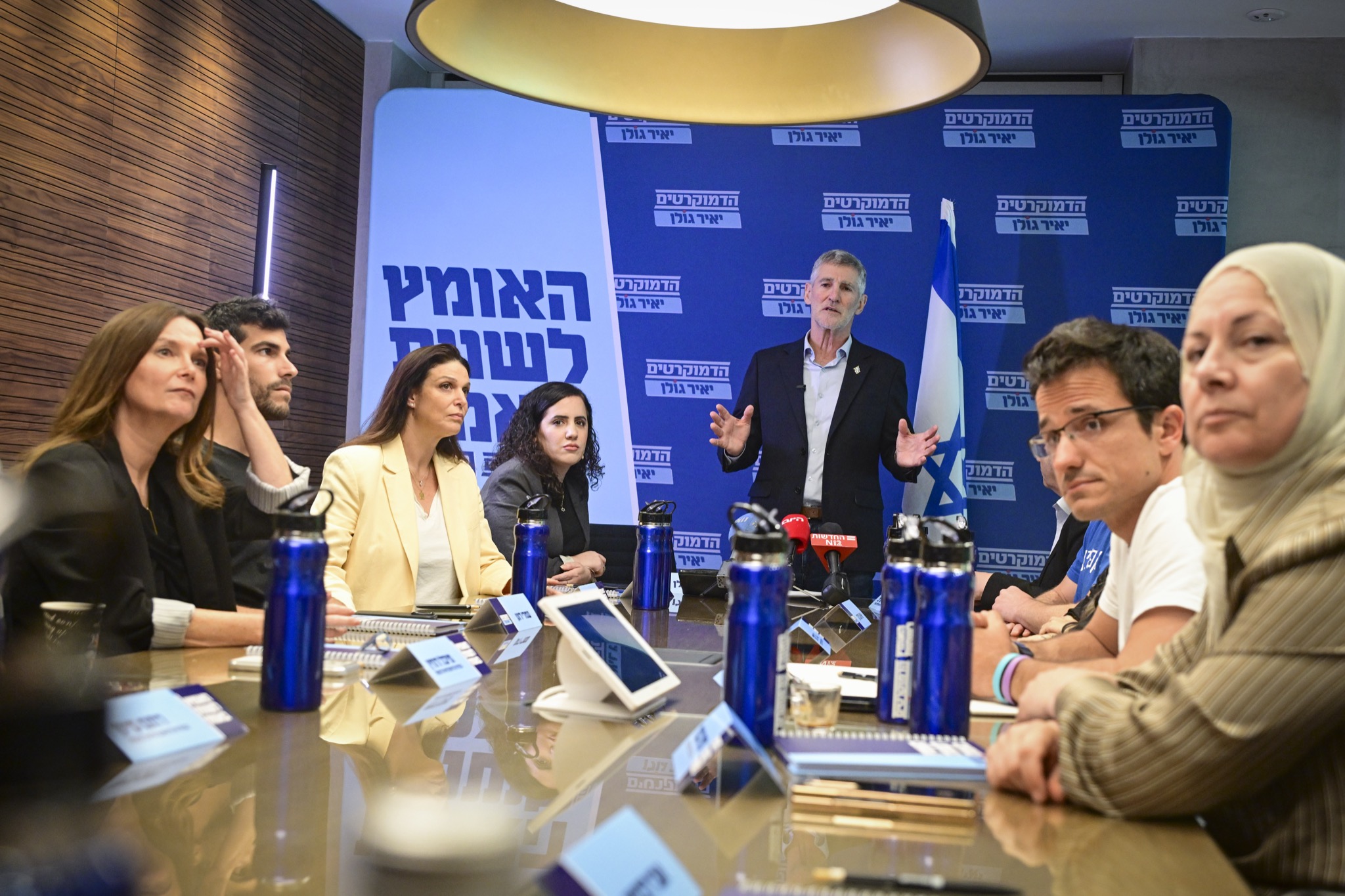
The situation is different when an Israeli Jew joins a Palestinian political project, such as Balad, or participates in a framework such as Hadash that recognizes Palestinian political rights and challenges the existing power structures. That person is not entering the dominant national project and accepting its basic terms; they are entering a political space where Palestinian demands, history, and political aspirations already have a place. In doing so, they recognize the rights of Palestinians to pursue a political vision of their own.
The case of Ra’am is also different. Segalovitz joined its electoral list while retaining his own political positions and a degree of ideological independence. What emerged was an electoral alliance between an existing Palestinian political project and a Jewish-Israeli lawmaker — not the creation of a new, shared political project.
These distinctions matter, and show that the meaning of Jewish-Palestinian political partnership can take radically different forms.
When A Place for Us All was launched, Alon-Lee Green argued that partnership did not mean “an Arab representative in a Jewish party or a Jewish representative in an Arab party,” but rather that partnership should begin within the party itself. The principle behind this statement is sound, both politically and ethically. Yet it raises fundamental questions in light of A Place for Us All’s attempt to join the Joint List.
The Palestinian parties that constitute this alliance are political organizations with decades of collective struggle, established memberships, institutional structures, and internal democratic processes. Each has developed its own political constituency and electoral legitimacy within Palestinian society. The Joint List itself emerged from a longstanding popular demand for unified Palestinian political representation, as well as a history of negotiation and cooperation among these parties.
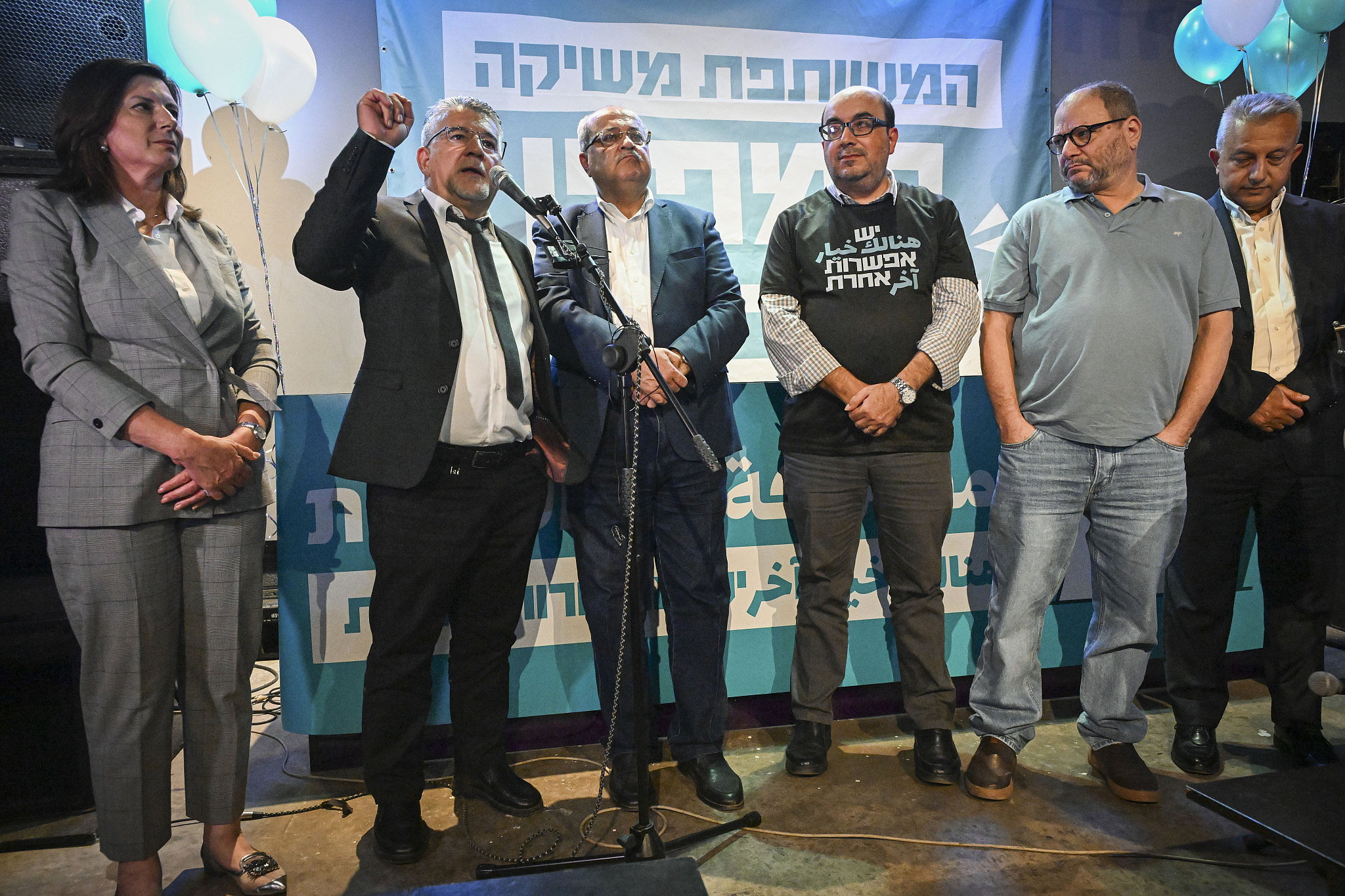
Against this background, A Place for Us All’s demand for a place within the alliance is difficult to reconcile with the limited clarity surrounding its own political constituency and democratic mandate. This is especially significant when the Joint List represents not only the electoral strength of its constituent parties, but also a collective political achievement rooted in Palestinian society. An equal political partnership cannot be built by overlooking the existing forms of Palestinian political organization and representation through which that society has articulated its political demands and exercised its collective agency.
But there is an even deeper problem, too: Broad sectors of Israeli society remain unwilling to participate in a political project in which Palestinians take the initiative and act as political partners in defining the nature of the state and society.
If the central obstacle is the limited willingness within Israeli society to accept political equality and the legitimacy of Palestinian political representation, why direct so much organizational energy toward persuading Palestinian political institutions to make room for a new joint framework? Why not make the transformation of that society — and its unwillingness to accept Palestinians as equal political actors — the focus of its work? That is the harder task, and the more fundamental one.
Challenging Jewish supremacy
Palestinians also have a political responsibility to determine the shape of Jewish-Arab partnerships. In particular, they must examine what they are asking of their partners, and what they hope to accomplish by inviting them into shared political spaces.
Consider, for example, the mass protest held in Tel Aviv on Jan. 31, 2026. Organized by the High Follow-Up Committee for Palestinian citizens, the demonstration brought tens of thousands of Palestinian and Jewish-Israeli protesters together to demand action against the organized crime and violence devastating Palestinian towns inside Israel.

Holding the protest in Tel Aviv was an understandable attempt to take the issue beyond the confines of Palestinian localities and place it before Israeli society. The participation of Israeli Jews was politically significant, as was the decision to mobilize under the leadership of a Palestinian representative body.
But as with the Gaza food drives, evaluating the success of the demonstration should not be based on metrics alone — the number and diversity of the protesters — or the significance of its location. We as Palestinians must also ask: Is the purpose simply to bring them to our demonstrations, or to compel them to confront the political institutions and social structures that allow the conditions we are protesting to persist?
Israeli society does not need a Palestinian protest in Tel Aviv to know that organized crime exists in Palestinian towns. Nor do Palestinians need a Jewish presence to establish that the state and its institutions bear political responsibility for the spread of crime and the way it is handled.
Beyond the act of appearing and protesting together in public, what Palestinians need from a Jewish partner is someone who uses their privileged position within Israeli society to confront the institutions and policies responsible for these conditions. They must oppose killing, not merely sympathize with its victims. They must challenge the state, not merely condemn the consequences of its policies.
Their role, for example, is to challenge and actively oppose the Nation-State Law and the political order it expresses, which privileges Jewish national rights while denying Palestinians equal political standing as a people. Their role should also have been, in May 2021, to confront settler attacks and the violence of the police and security forces in historically Palestinian towns, now known as “mixed cities.”

Partnership, in this sense, does not mean that everyone must stand in the same place. Jewish Israelis must take the responsibility to challenge a system that grants them, as Jews, privileges, power, and legitimacy that Palestinians do not possess. And if this is a costly political undertaking, especially within a genocidal society, then the genocide in Gaza makes it all the more urgent.
Toward an anti-Zionist partnership
In the context of the genocide being inflicted on our people in Gaza, the question of what partnership means takes on an entirely different weight. Beyond describing the severity of the violence, the determination that Israel is indeed carrying out a genocide raises political questions about the responsibility of the institutions, society, and conditions that made this violence possible — and how they can be held accountable.
Which institutions carried out mass killing? Who made the decisions? Who justified and legitimized them? What role did the media play? How did academic, legal, and cultural institutions respond? And how was social acceptance of this level of destruction, killing, and starvation produced?
These are not simply questions about the conduct of a government or an army. They concern the relationship between society and the political structures that act on its behalf, through its resources, its laws, its institutions, and the forms of power it accepts as legitimate.
In this context, Jewish opposition to the war has real political significance. Those who protested against it from within Israeli society have a political role that goes beyond declaring a moral position: Accountability requires that Jewish-Israeli society confront the institutions responsible for genocide, and ask what must change to prevent such violence from occurring again.
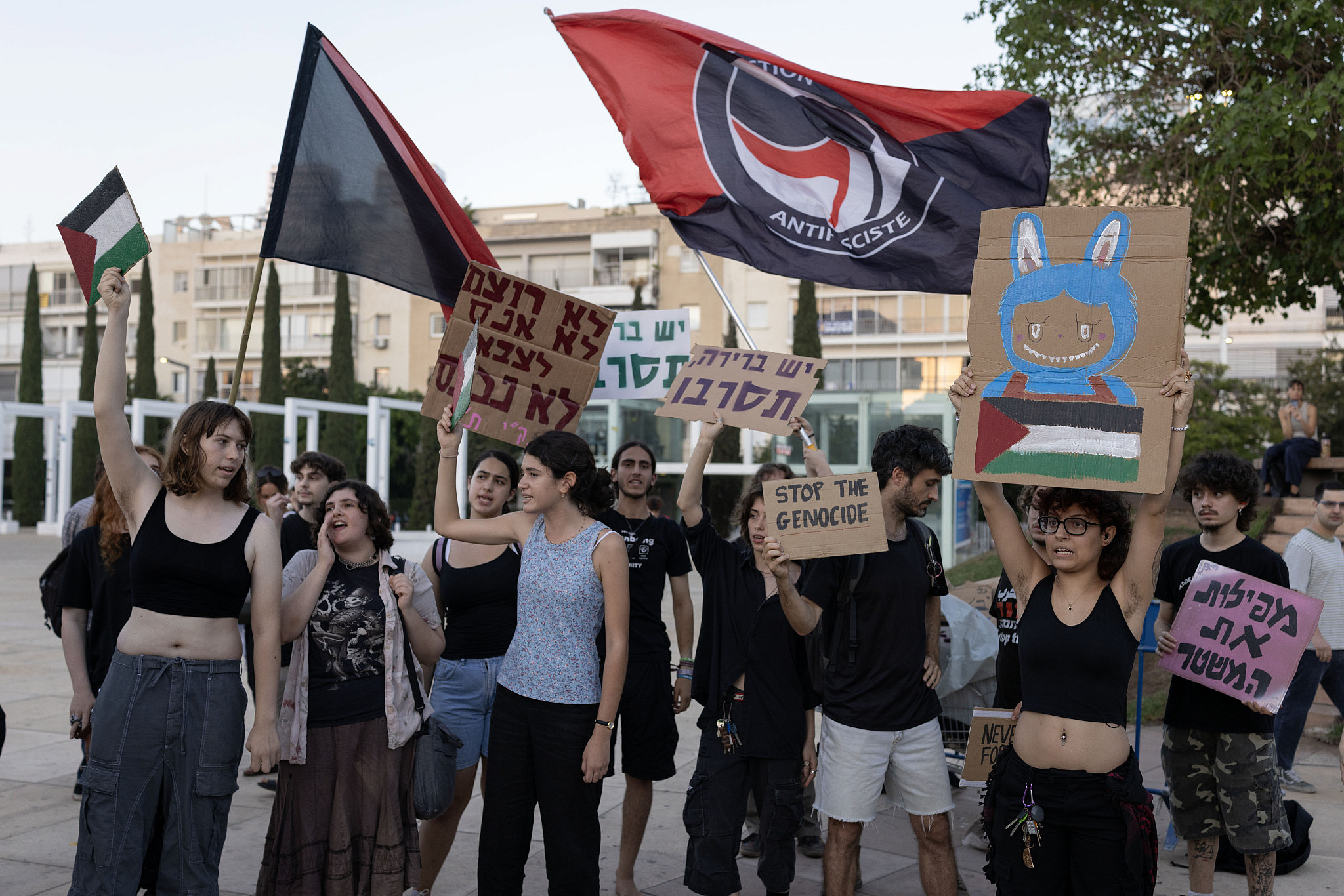
Without accountability, creating “shared space” for Jewish-Palestinian partnership can provide a way to move on from violence and discuss political futures, without confronting the structures that made that violence possible. In a time of genocide, in other words, reconciliation cannot replace truth and accountability.
The task, too, is to build power within Israeli society that compels it to see the Gaza genocide as an event that demands a reckoning with the political structure on which the state was founded: Zionism. This is also why the ideological foundations of partnership cannot be treated as a secondary matter.
Most read on +972

A true partnership must confront Zionism head-on, and envision a future beyond it. Otherwise, it risks simply passing over an ongoing Nakba that has never been resolved, a genocide for which no one is held accountable, toward a future we are asked to imagine “together.”
For their part, Palestinians should not help create that outcome by treating the “shared space” as an end in itself. If the purpose of partnership becomes the preservation of a good relationship, its political content can eventually be reduced to the lowest common denominator, detached from the urgency of the genocidal moment and what it demands.
And if the “shared space” of partnership has any meaning, it must begin with a coherent understanding of liberation and a full willingness to pay its price. That price is not necessarily equal: Those who hold greater power may be required to pay more, to recognize that their privilege is itself something they can and should be prepared to give up as the price of the struggle.
A version of this article was first published in Arabic on Arab48. Read it here.