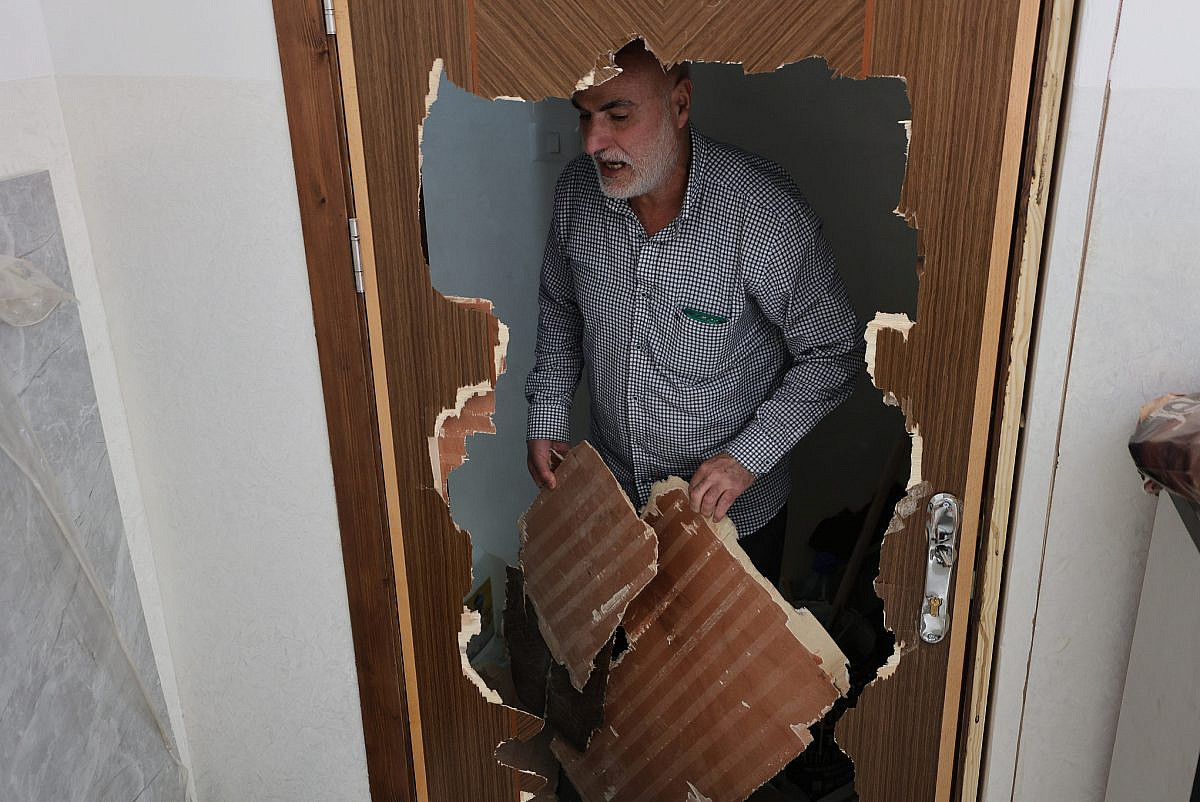
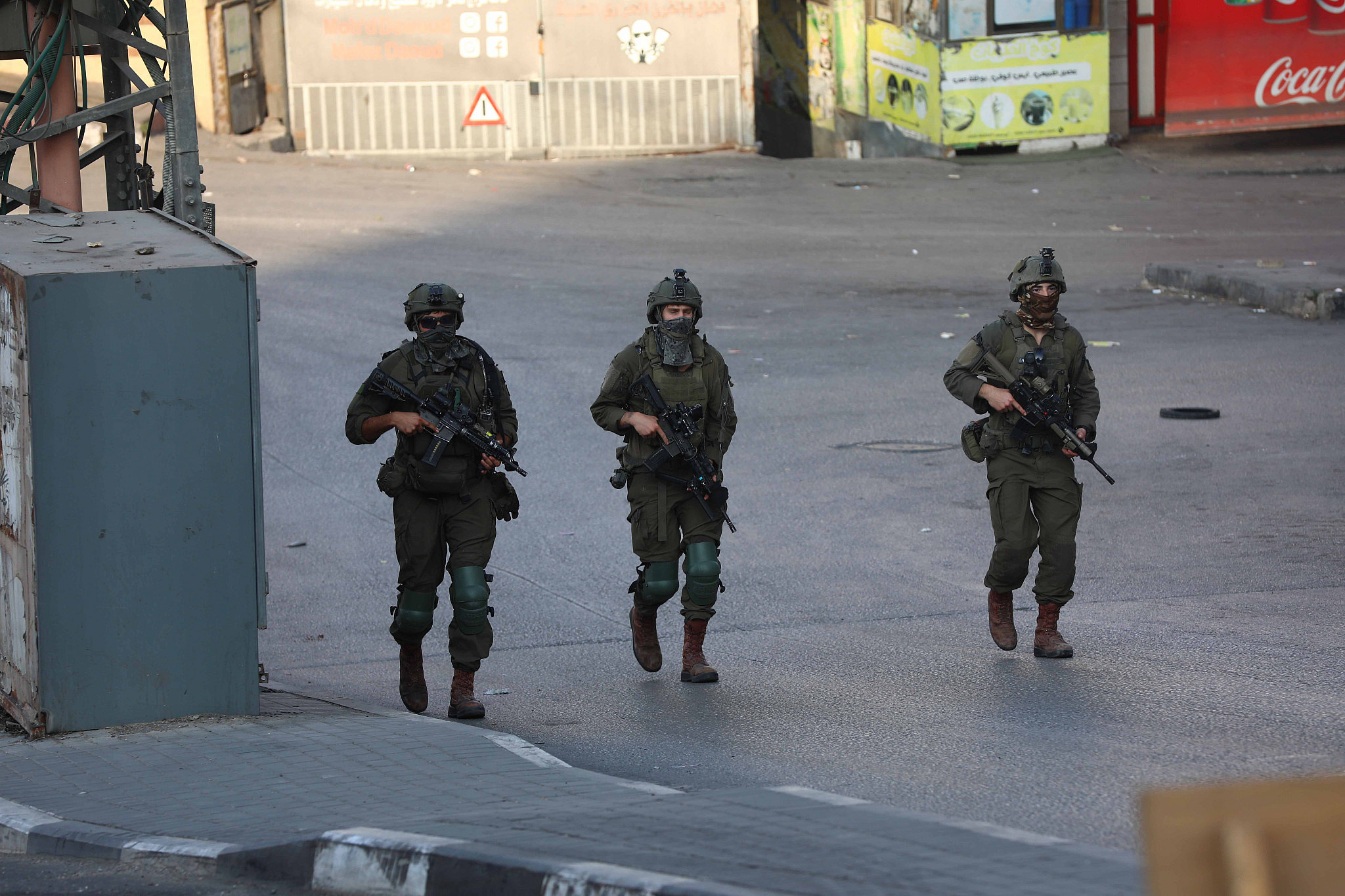
For 11 days, Israeli soldiers had free rein over hundreds of Palestinian homes in the Al-Jilda and Deir Bahha neighborhoods of Hebron, in the southern occupied West Bank, whose residents had been forced out as part of a large-scale military operation. When families were eventually permitted to return, many of them found their homes ransacked and their belongings missing.
Between Oct. 23 and Nov. 2, at least 619 Palestinian families — some 3,971 people — were forcibly displaced by the Israeli army, following a shooting attack by a Palestinian gunman that killed two Israeli soldiers.
The Israeli military told +972 Magazine that the operation was intended to “dismantle terrorist infrastructure and prevent future attacks.” But given that only four weapons were seized during the entire operation, it appears to have been designed primarily as an act of collective punishment.
In Farsh Al-Hawa, a neighborhood near Al-Jilda and Deir Bahha where the shooting attack took place, business owners were given as little as three hours to evacuate their shops. Some premises were demolished, while owners reported that vehicles, equipment, and merchandise were stolen.
With the entire city of Hebron effectively sealed off during the operation, displaced families had no way to collect essentials or make arrangements. They were left guessing when they would be allowed to return — or what they would find when they did.
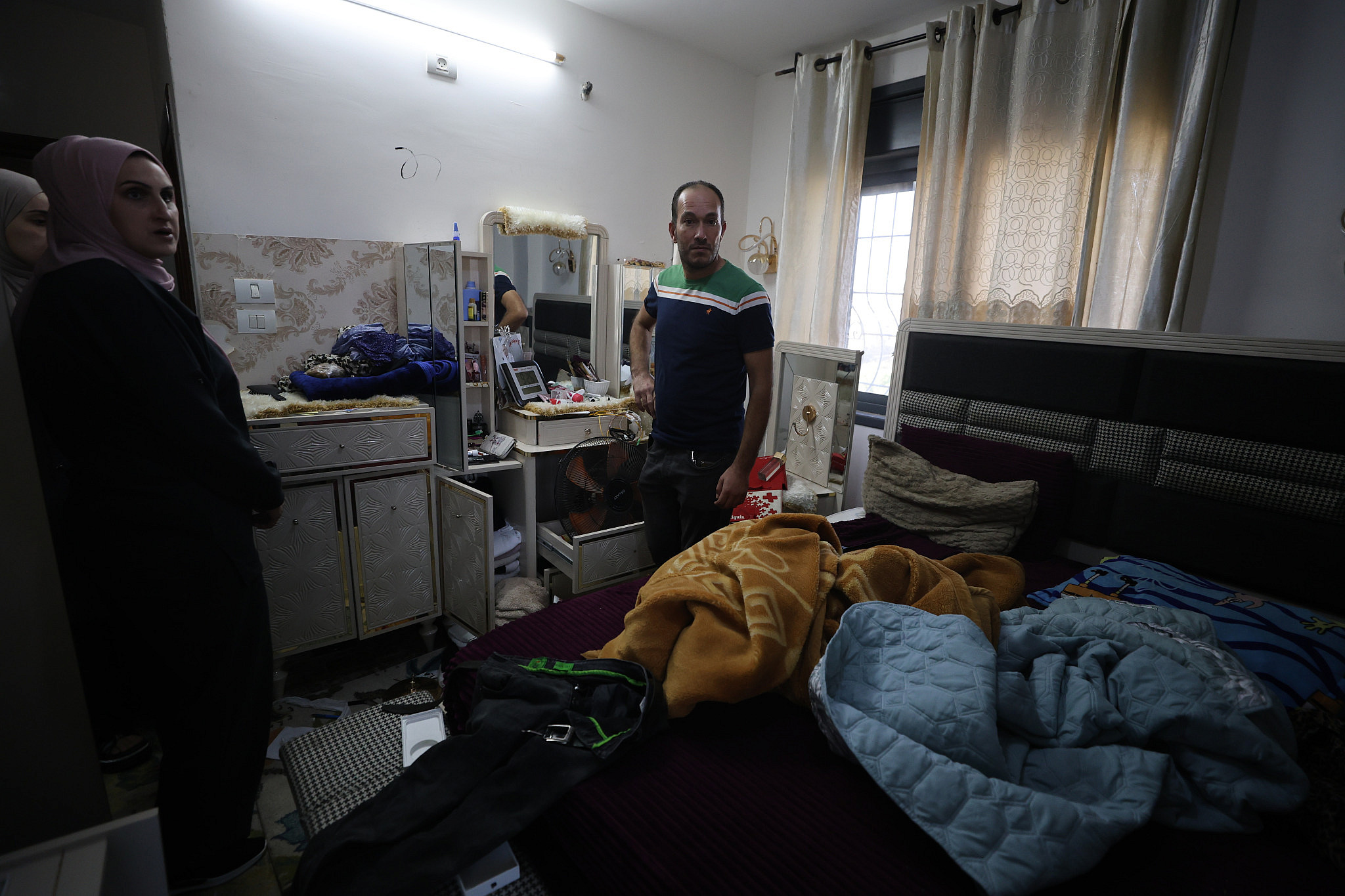
Riham Muhtaseb, a mother of four from Al-Jilda, fled with her children when the military operation began, leaving everything else behind.
“Those [11] days were full of anxiety and fear,” she told +972. “There was no stability. Every day I went to a different house: one day at my brother’s, one day at my sister’s, then my mother’s, my grandmother’s, and my aunt’s. It was unbelievable how scattered we were.”
Her children struggled with the constant upheaval. “My daughter kept crying and saying that she missed our house and wanted to go back,” Riham recalled. “My son was constantly worried about his things [that were left behind].”
When the family returned, they found damaged furniture, broken electronics, and missing valuables. “Every drawer and every cupboard had been opened. The gold was gone, the savings boxes [containing cash] were gone, bags had been opened, the sofa was broken, while the table, the refrigerator, the glass, and the doors were damaged. Even the laptop and printer were broken.”
Personal papers stored in a small metal cabinet had also been disturbed, and other belongings — including collectibles and perfumes — had been moved.
Despite the damage, Riham was relieved to have her children back under their own roof. “Thank God we came back to our home. That’s what matters most. It’s still my home, my stability. I can’t keep taking [my children] from one place to another every day.”
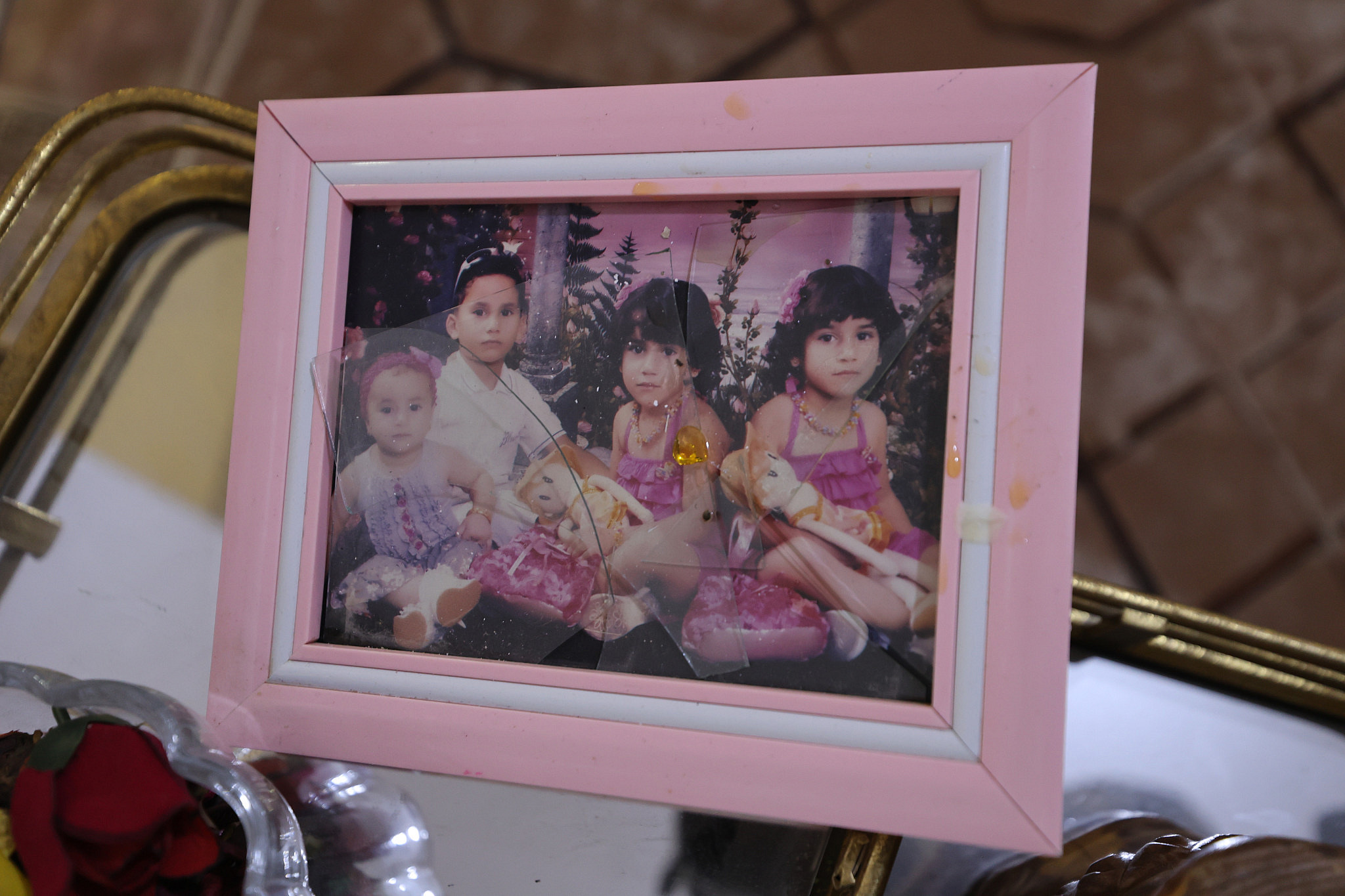
Another resident displaced from Al-Jilda, who asked to remain anonymous due to fear of Israeli military reprisals, said soldiers raided his home and his shop on the building’s ground floor after he fled. “They completely ransacked the shop,” he recounted. “They smashed the surveillance cameras, except for one that captured what happened.
“They turned the entire shop upside down, destroyed the shelves, storage room, and changing room, and stole perfumes and cash from the register,” he continued. “I haven’t attempted to return since, and there’s nothing left in the shop in its original place.”
‘Everything [was] turned upside down’
For Leeqa Muhtaseb, also from Al-Jilda, the displacement began shortly before 1 a.m., when her sister woke her after hearing announcements over loudspeakers ordering residents to evacuate the building.
“I got up quickly,” Leeqa recalled in an interview with +972. “My sister was with me, as was my young nephew. We were all confused. We got dressed in a hurry, and my brother came looking for us, telling us to get ready.
“We hurried downstairs,” she continued. “We didn’t take anything; we didn’t have time to collect our belongings. They told people they could leave by car or on foot. Within about 20 minutes, the entire building had been evacuated.”
In the days that followed, neighbors sent Leeqa photographs showing that her apartment and others in the building had been turned into a military position.
“Imagine your home standing open, with soldiers coming and going, while you have no idea what is happening inside,” she said. “It was extremely confusing and exhausting. It took a serious psychological toll on us.”
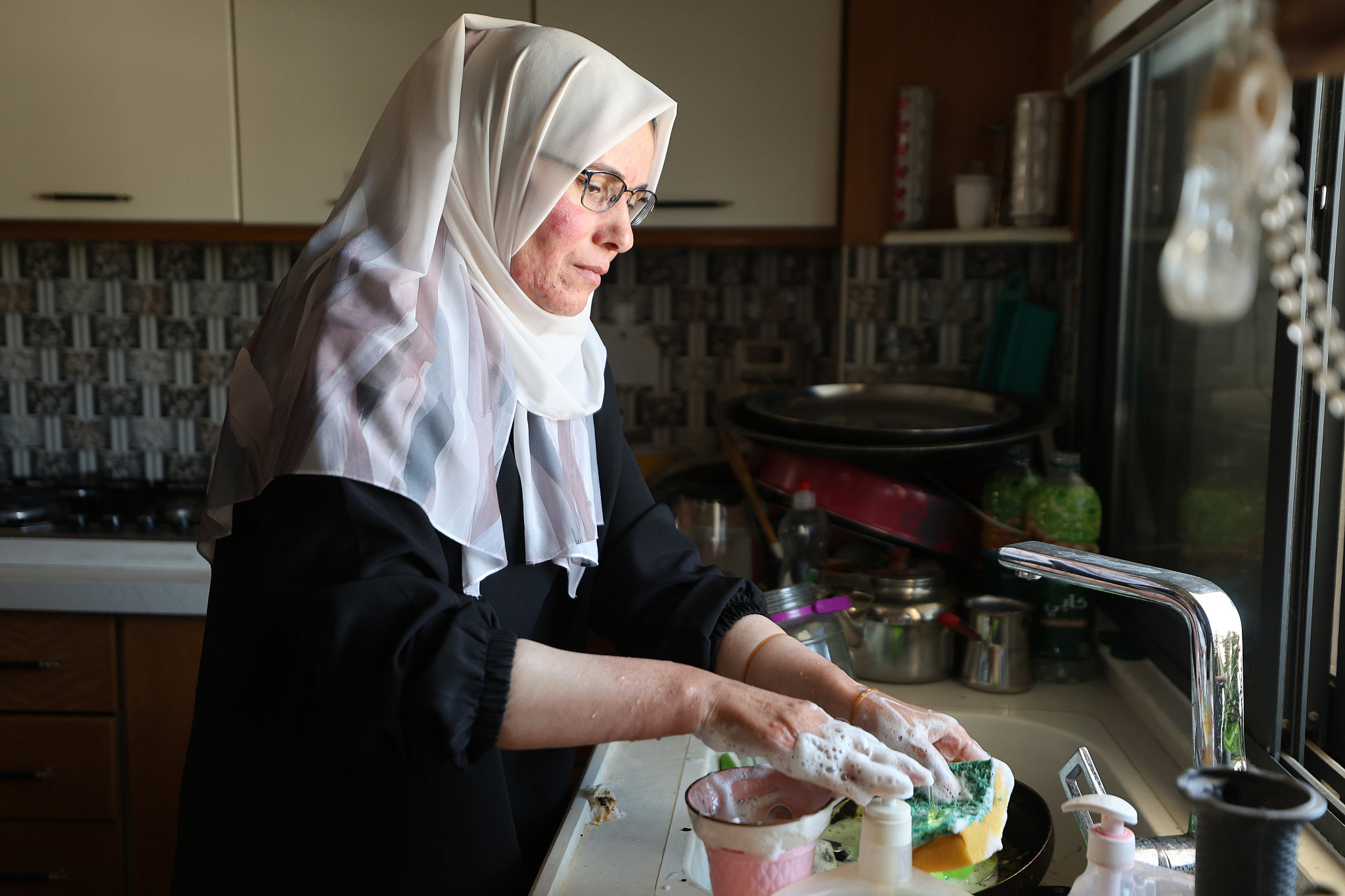
When Leeqa finally returned on the morning of Nov. 2, she was shocked by what was waiting for her. “We came back at 6:30 in the morning and found everything turned upside down. Our neighbours’ furniture was in our apartment, and our furniture was in theirs. There was food, drink, and mess everywhere.”
Yet her relief at being home outweighed the shock. “I was happy to be back. This apartment represents 25 years of my hard work and my entire life. Thank God we returned safely.”
In Farsh Al-Hawa, west of Hebron, Israeli forces ordered seven businesses — including car spare-parts shops, scrap yards, a large tile and flooring showroom, and a small coffee shop — to close on Oct. 23, shortly after the shooting attack.
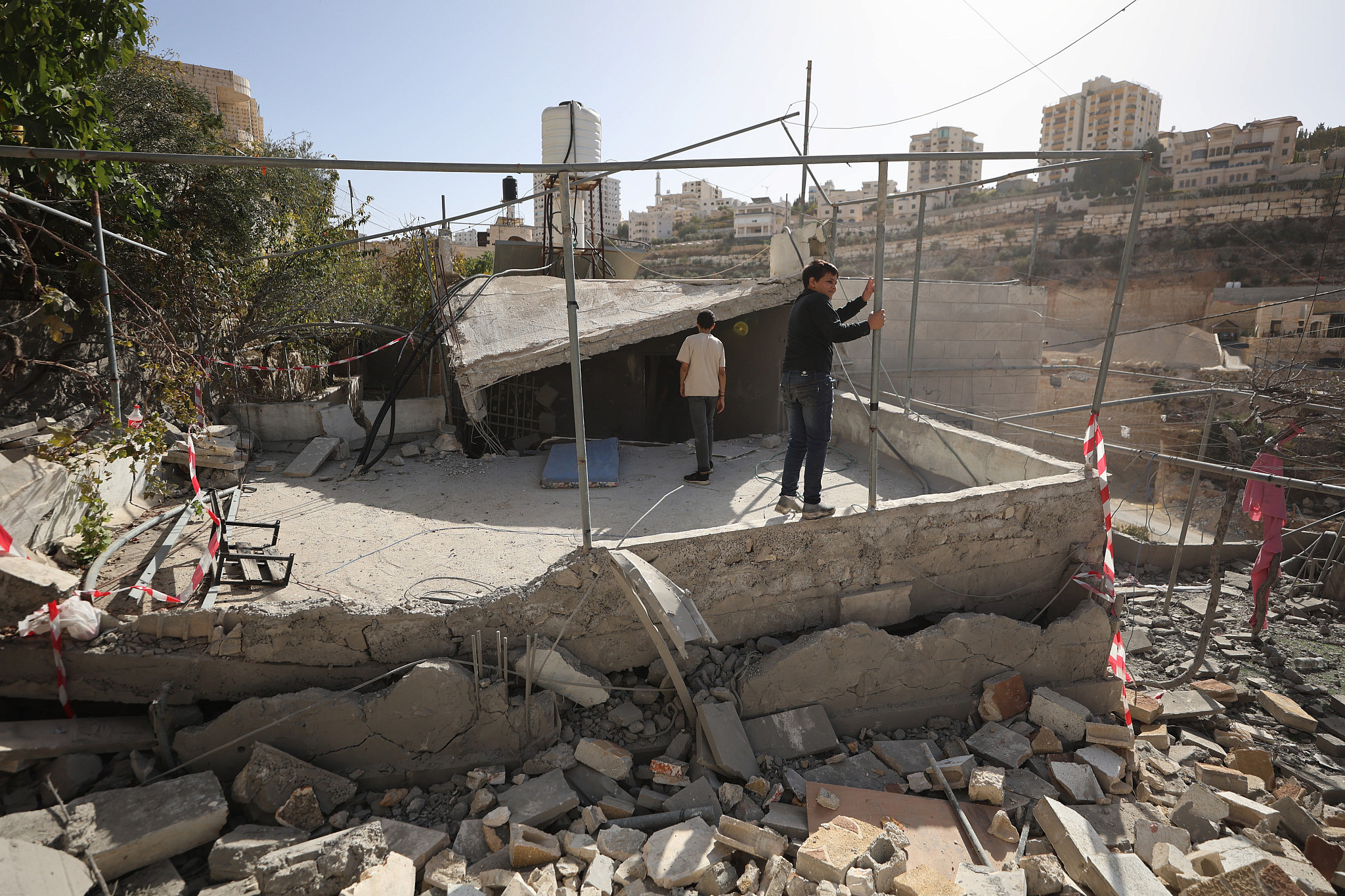
Business owners said vehicles, equipment, and commercial goods were taken during the 11-day operation, while some premises were demolished. Several owners had only hours to remove what they could.
“My shop, located near a military gate and checkpoint established in the area, contained 500-600 vehicles used in the spare-parts trade,” shop owner Iyad Qawasmi told +972. “The army first contacted me and asked for surveillance cameras. I believed that would be the extent of the demand. Instead, after a few hours they called again, ordered me to come to the shop, and told me I had three hours to clear it.
“I called people for help,” he continued. “Neighbors and workers rushed to help me remove as many vehicles as possible. But time was running out. Soon, the army arrived with a civilian [contractor] and equipment to lift and transport vehicles.”
Qawasmi said the army and the Israeli civilian, whom he described as a settler, took around 300 vehicles. When he questioned an Israeli officer about why the vehicles were being taken, he said he was told it was a “military decision.” He does not know where they are now.
Nextdoor, Suleiman Karama, who also owns a car spare-parts business, said he was unable to salvage any of his stock.
“I had 140 cars, iron, copper, and so much other equipment,” Karama said. “The army closed the road and wouldn’t let us take anything out. I couldn’t remove a single thing.”
The losses extended beyond the vehicles. The complex occupied by Karama and Qawasmi’s shops included sheds, containers, a kitchen, a bathroom, and storage facilities that they had built and equipped over years of work.
Owners of a third spare-parts business, about 150 meters away, also reported vehicles and equipment being taken at night. A large tile showroom was forced to move its stock and vacate the premises.
According to the business owners, all seven shops that were forced to close remain shut, with two having been completely destroyed. They estimate their combined losses at millions of shekels, while dozens of workers have lost their source of income. For Qawasmi and Karama, the losses represented years of investment and work, now wiped out in a matter of days.
‘11 days of torture’
Rafiq Hassan Amin Al-Huneini, 50, was also displaced from Al-Jilda, where his extended family has lived for generations. Their five households include around 35 to 40 people.
Around midnight on Oct. 23, he heard unusual movements outside and saw soldiers nearby. As neighbors began leaving their homes, he realized his family would be next.
“When I saw our neighbours coming out, I told my wife to get ready. I knew our turn was coming. There was no way around it,” he recounted to +972.
Soldiers eventually ordered the family to leave, telling them to take enough food, water, and clothes for seven days, along with personal documents, car keys, and phones. “We left in our cars, taking only some clothes and a small number of belongings,” Al-Huneini continued. “We didn’t know what was going to happen.”
The family initially stayed with Al-Huneini’s married daughter, then moved between relatives’ homes before renting an apartment for the final three days. Other members of the extended family were scattered across the city.
Most read on +972
“You feel uncomfortable staying in other people’s homes for so long, no matter how welcoming they are,” he said. “You don’t want to burden anyone. It exhausts you psychologically.”
Al-Huneini returned around 6:30 a.m. on Nov. 2, after hearing that soldiers had begun withdrawing.
“The house was a mess,” he said. “Our belongings had been moved to my brother’s home. They had left their garbage behind. There was dirt and rubbish everywhere. There were opened sardine cans and rubbish inside the cupboards. The drawers were smashed, and the mattresses were dirty.”
The family cleaned the house from floor to ceiling, but the dirt and smell lingered. His wife continued washing cupboards and belongings for days after their return.
The displacement also prevented Al-Huneini from working at his auto repair shop, which he lives just above. “I couldn’t go to work. Where was I supposed to work? I just went into town, walked around, and tried to pass the time.”
Al-Huneini said soldiers had looted his home. He showed +972 a CCTV video of Israeli soldiers carrying two electric fans as they left the building. Other videos that he took upon his return showed the condition of the home after the soldiers had left: furniture scattered across rooms, belongings thrown around, and his children’s bicycles smashed.
As families remained displaced, neighbors and supporters organized peaceful protests and daily gatherings demanding their return.
Hajj Hijazi Shawer Al-Tamim, known as Abu Raed, the mukhtar of the Tamimi family and the Al-Jilda area, described the period as one of the hardest they had endured.
“These 11 days were torture,” he told +972. “Anyone who has never experienced being forced out of their home under threat of weapons cannot understand what it means. It is a bitter experience.”
Abu Raed believes that peaceful demonstrations and the use of cameras to document events helped maintain pressure for residents’ return. But protesting carried risks, particularly when few people were willing to participate.
“At first I came alone, as most people were afraid of the army,” he recalled. “I also came alone the second time, and then, during the third time, the soldiers assaulted me. Some young men took me to hospital for treatment.”
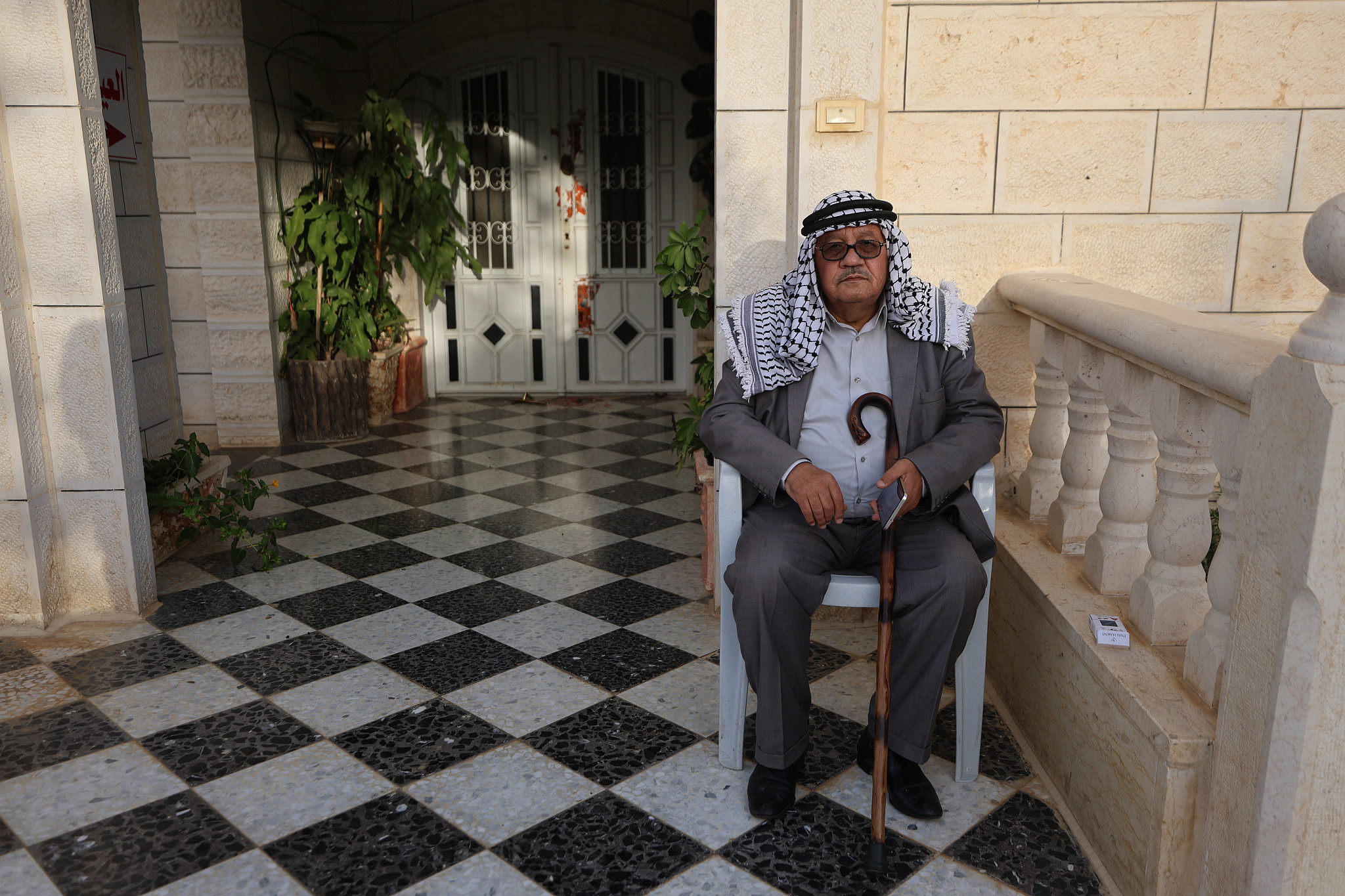
Despite the assault, participation grew in the days that followed, with more residents and supporters joining the demonstrations. Abu Raed said solidarity across Hebron, particularly from families who hosted those forced from their homes, helped residents endure the displacement.
“When you are thrown out of your home in the middle of the night, no one can understand that feeling unless they have lived through it,” he said.
In response to +972’s inquiry, an Israeli army spokesperson stated that Israeli forces had “conducted a targeted and thorough search of all infrastructure in the area to locate and neutralize terrorist infrastructure and weapons.”
The spokesperson added: “The forces were issued clear instructions and protocols to safeguard residents’ property and avoid damaging homes during the operation, as well as to ensure the area was left as orderly and clean as possible upon their departure. A review indicates that no claims of property damage have been reported; however, should any specific allegations arise, they will be thoroughly investigated.”