
In partnership with

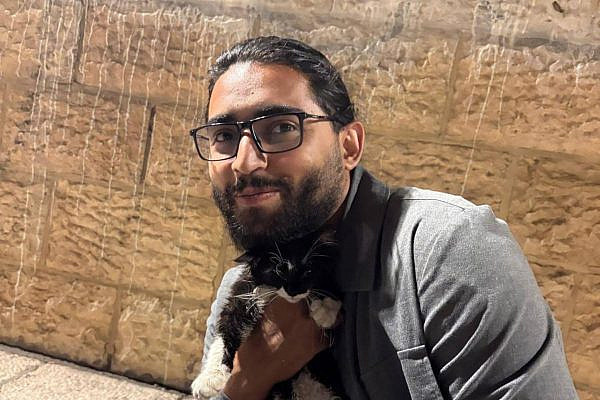
In February 2025, the Palestinian journalist Saeed Hasanein gave an interview to the Gaza-based Al-Aqsa TV from his home in Shefa-Amr in northern Israel. He discussed the ceasefire deal at that time, which included the exchange of Israeli hostages for Palestinian detainees. And he pointed to footage showing Israeli hostage Omer Shem Tov kissing the head of one of his captors, saying this was an act of gratitude for the humane way Hamas had treated them.
Almost two years later, Hasanein has been convicted of contact with a foreign agent, expressing identification with a terrorist organization, and destroying evidence — all on the basis of this interview with Al-Aqsa TV, which is affiliated with Hamas. He now awaits his sentence.
Hasanein’s conviction last week at the Haifa District Court comes amid a broader crackdown on Palestinian journalists, activists, and political leaders in Israel, many of whom have faced arrest or persecution over public statements. The ruling also sets a potentially dangerous precedent for Arab journalists, who may now think twice before agreeing to an interview for fear that their words — or simply their choice of platform — could expose them to serious charges.
Namir Adlebi, Hasenein’s attorney, told +972 Magazine that the charge of contact with a foreign agent in relation to a public interview is unprecedented. “We had hoped the court would examine the matter objectively and acquit him,” he said. “There is no doubt that we will appeal the decision. This is a conviction we cannot accept or understand in any way.”
The defense argued that Hasanein’s remarks in the February 2025 interview should not be interpreted as an expression of identification with Hamas, emphasizing that he had subsequently expressed regret over his statements and described the October 7 attacks as a crime. The court rejected those arguments, ruling that his remarks constituted an expression of identification with Hamas and that his agreement to be interviewed by Al-Aqsa TV itself amounted to contact with a foreign agent.
Hasanein was also convicted of another charge of expressing identification with a terrorist organization, based on a September 2024 interview about the assassination of Hezbollah leader Hassan Nasrallah with the Palestinian channel Qudsuna. His defense argued that the statements had been presented selectively and stripped of their context — which the court rejected.
Hasanein was additionally convicted of destroying the cellphone he had used to communicate with Al-Aqsa TV. His defense did not dispute that he had destroyed the device, but maintained that he had acted out of panic and fear that his personal information would be exposed.
In the verdict, Judge Shlomo Benjo ruled that harm to national security could occur even without the transfer of classified information, arguing that Hasanein’s words and public standing could be used to bolster Hamas’ image.
The consequences for Hasanein began long before his conviction. His initial arrest four days after the Al-Aqsa TV interview led to him being fired by Al-Nas Radio, where he was a broadcaster, and dismissed from his volunteer role as a stadium announcer at Bnei Sakhnin Football Club — even before an indictment was filed against him.
Hasanein, who is in his sixties and suffers from health complications, was held in police custody and subsequently placed under house arrest before the verdict was delivered.
A pattern of persecution
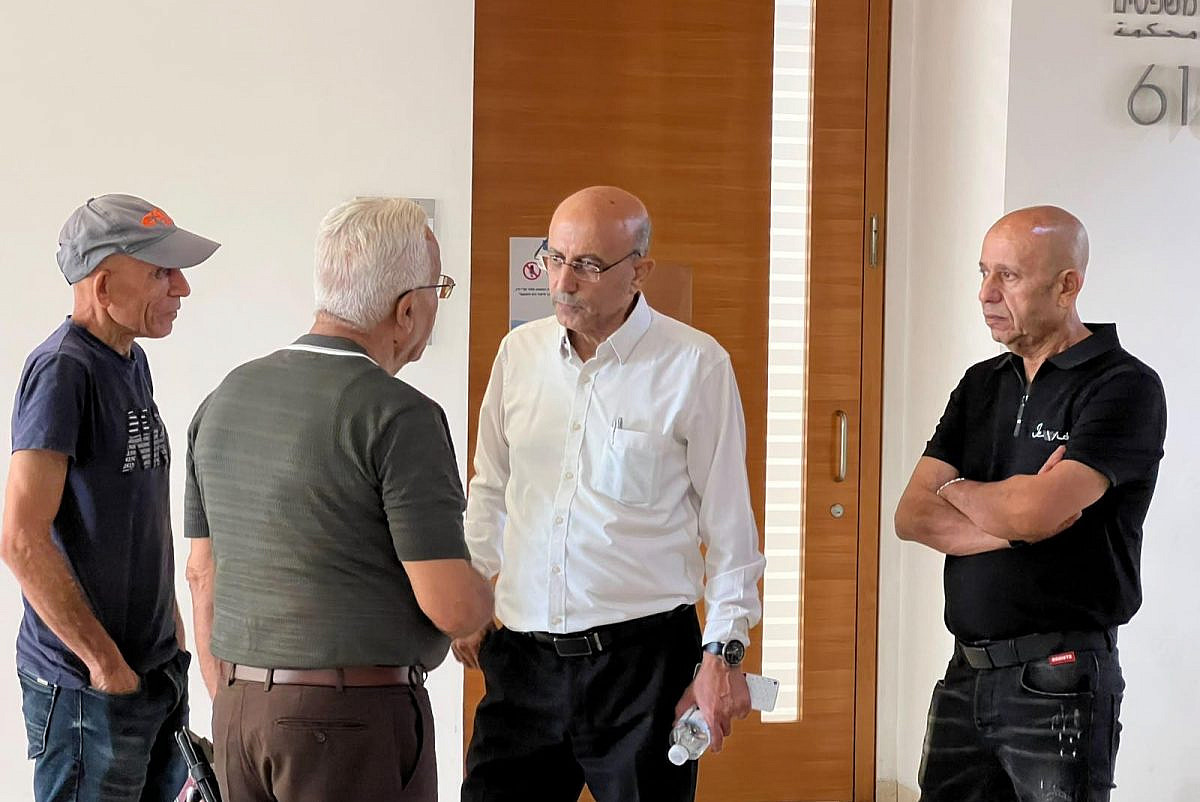
Journalists, activists, and supporters attended his hearing, reflecting concerns that the case could have consequences far beyond Hasanein himself. Those concerns are not unfounded: His prosecution is part of a wider pattern in which public statements and political activity by Palestinian citizens of Israel have become grounds for arrest or conviction on terrorism-related charges.
Earlier this year, an Israeli court convicted Palestinian lawyers Ahmad Khalifah and Mohammad Taher Jabarin of indirect incitement to terrorism and expressing identification with a terrorist organization over slogans they chanted at an anti-war demonstration. Among the slogans cited was: “Gaza shall not submit to the tank or the cannon.”
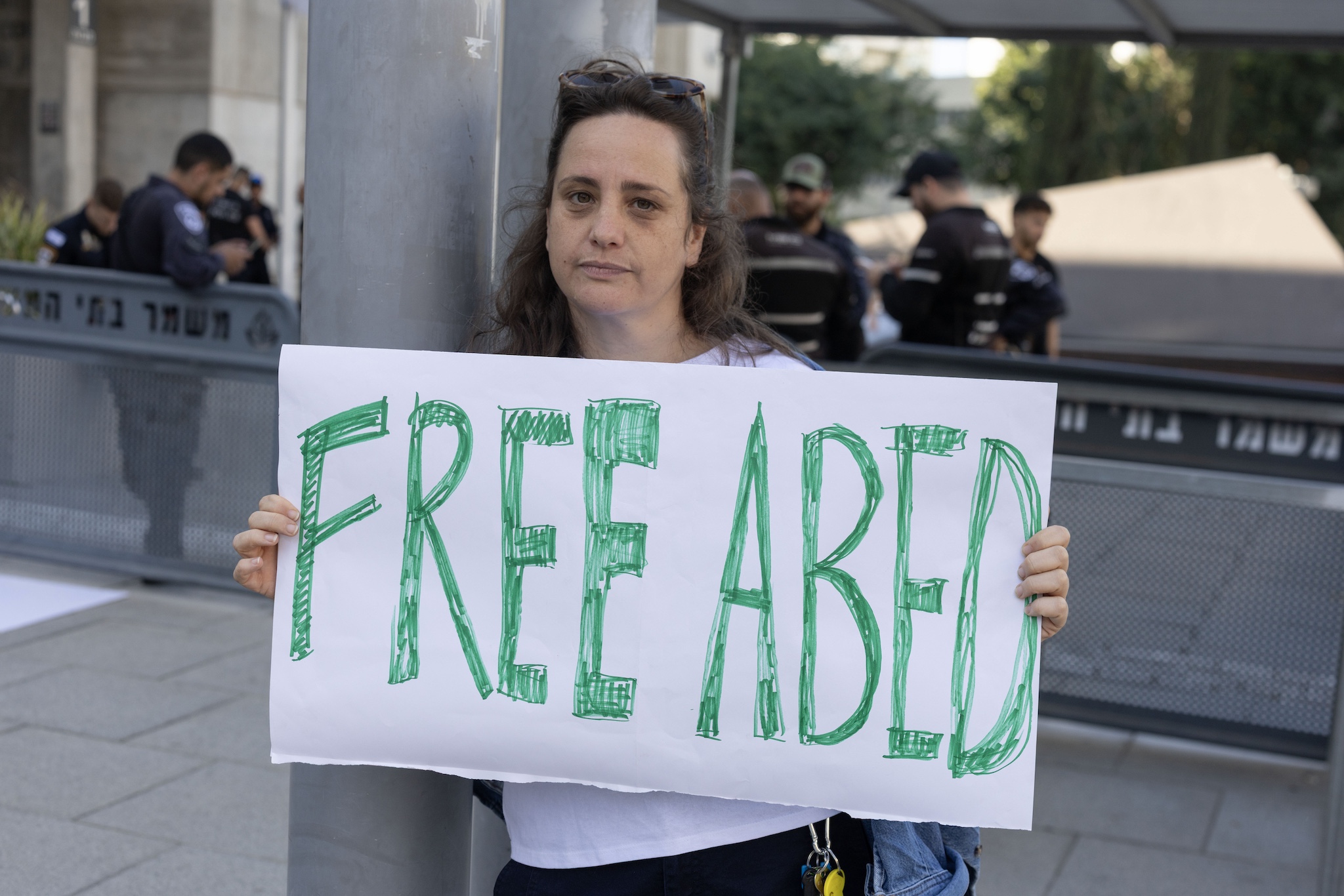
More recently, Abed Abu Shehadeh — a community organizer in Jaffa and a contributor to +972 Magazine — was arrested during a nighttime raid on his home in early November. His investigation, which involved the Shin Bet, Israel’s internal security agency, centered on suspicion of contact with a foreign agent — following an interview he conducted with exiled Palestinian political leader Azmi Bishara in Qatar. After five days in detention, police released him without restrictions.
The scrutiny has extended beyond journalists and activists to Palestinian political leaders. In June, police arrested Mohammed Barakeh, a former Knesset member and chair of the High Follow-Up Committee for Arab Citizens of Israel, over a speech he had given in Ramallah four years earlier.
And on Nov. 15, just hours before Hasanein’s conviction, police arrested Ibrahim Abu Jaber, acting chairman of the Trust and Reform Party, following a raid on his home in Kafr Qasim. The Joint List condemned the arrest, describing it as part of a policy of persecution, intimidation, and silencing directed against Arab political leaders. Reports of his arrest did not specify the grounds for the suspicions against him.
These arrests have unfolded against an increasingly hostile political backdrop. Incitement against Palestinian citizens of Israel and their political representatives has intensified since the election, particularly following the Arab parties’ electoral gains and the possibility that they could play a role in determining the next government.
Alongside accusations of “election theft,” Prime Minister Benjamin Netanyahu and his acolytes have tried to portray Arab political representatives as a security threat. During a speech at the Knesset’s swearing-in ceremony, Netanyahu accused Ra’am and the Joint List of seeking to destroy Israel and called for preventing the formation of a government that would rely on their support.
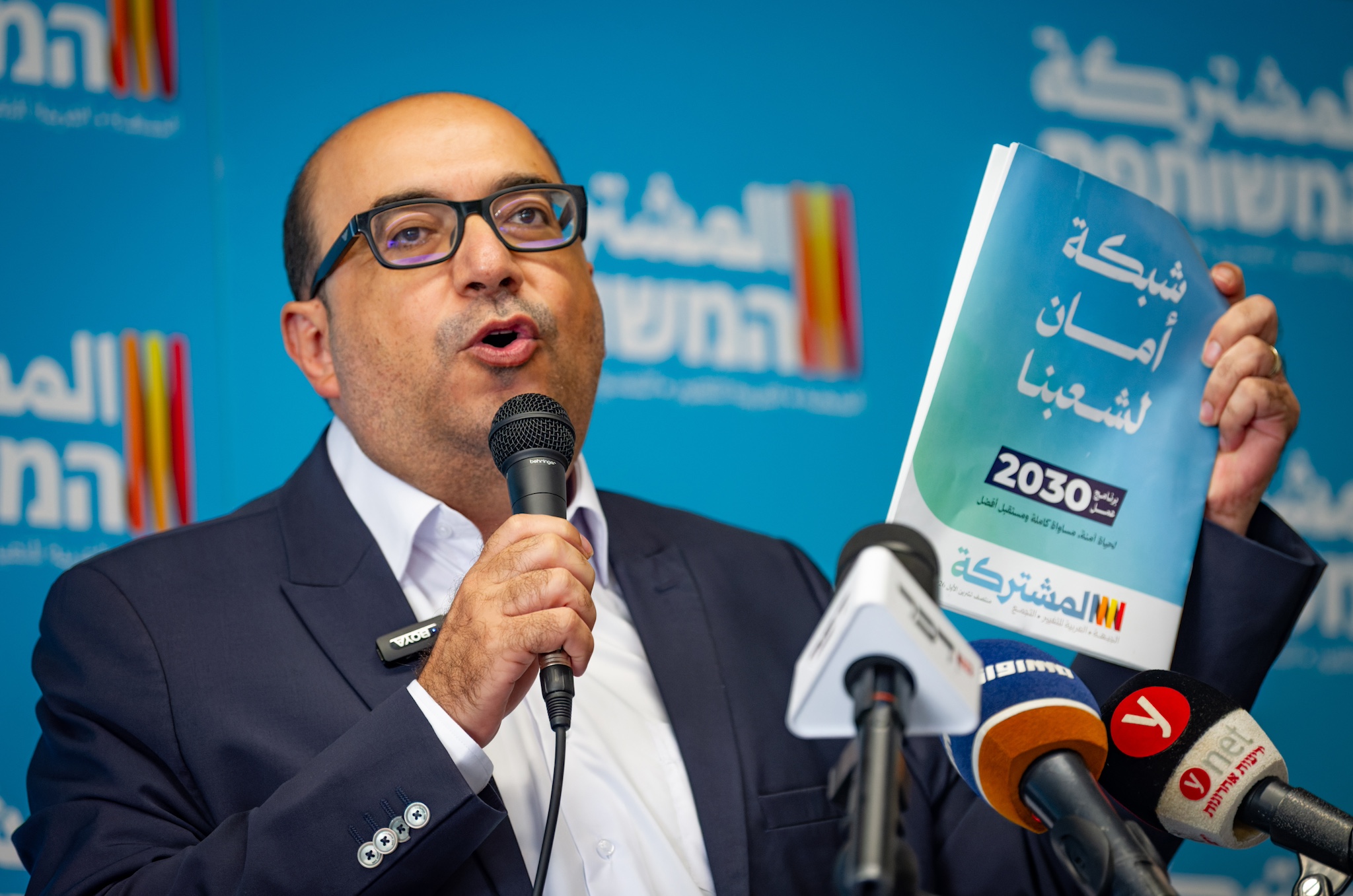
Even before that speech, Balad chairman Sami Abu Shehadeh had warned that incitement against Palestinian citizens would intensify following the election. Referring to the video in which Netanyahu accused the Arab parties of intending to destroy the state, Abu Shehadeh said: “This is the most dangerous video I’ve seen in recent years. This is murderous incitement.”
Seen in this context, Hasanein’s conviction is not simply about the remarks he made in two television interviews. It also raises questions about the increasingly blurred line between prosecuting security offences and criminalizing speech, political expression, and engagement with Palestinian media outlets.
Even if Hasanein failed to choose his words carefully, and even if he erred by adopting the terminology used by the channel interviewing him, that hardly seems sufficient to justify the serious security charges brought against him — much less his conviction. The court’s decision to treat the interview itself as contact with a foreign agent is particularly troubling, given the implications for anyone who speaks publicly to media organizations deemed hostile by Israeli authorities.
Most read on +972

Hasanein’s sentencing hearing is scheduled for Feb. 18, and his lawyer has already announced his intention to appeal the ruling. But regardless of the eventual sentence or the outcome of an appeal, the conviction is already sending a message to Hasanein’s colleagues.
Press freedom is undermined not only when a journalist is arrested or convicted, but also when others begin censoring themselves out of fear that speaking to the “wrong” outlet could land them in a jail cell. For Palestinian journalists in Israel, that fear is no longer hypothetical.
A version of this article was first published in Hebrew on Local Call. Read it here.