
In partnership with

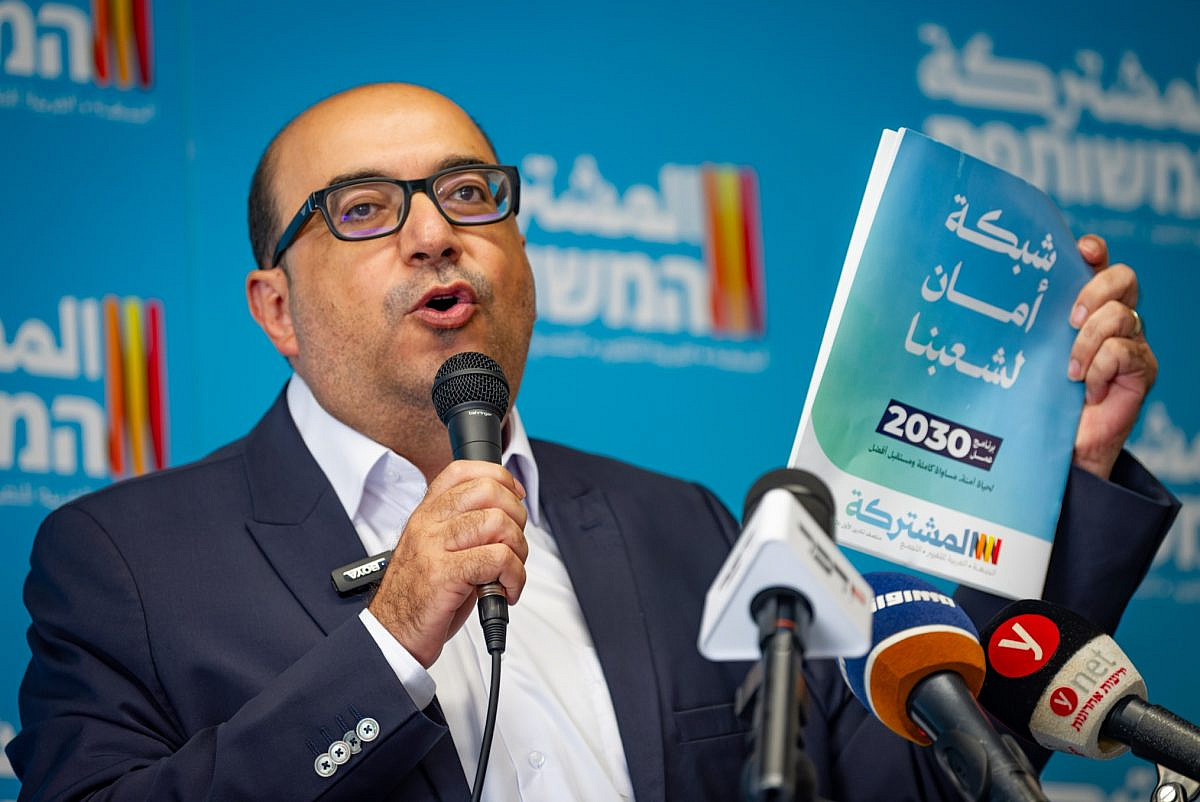
Sami Abu Shehadeh was not among the lawmakers sworn in to Israel’s new Knesset last week. Less than a month before the election, the leader of the Palestinian party Balad — running as part of the Joint List — withdrew from the race after the Supreme Court indicated that it would uphold his disqualification over an article he had published the day after the October 7 attacks.
But his withdrawal did not keep him on the sidelines of the election campaign. Alongside outgoing Hadash chair Ayman Odeh, who also stepped down and will not serve in the new Knesset, Abu Shehadeh was among the Joint List’s most visible and active campaigners, remaining actively involved until election day.
“Those who come for the sake of the cause put their personal interests aside,” Abu Shehadeh told +972 shortly before the Knesset’s swearing-in ceremony.
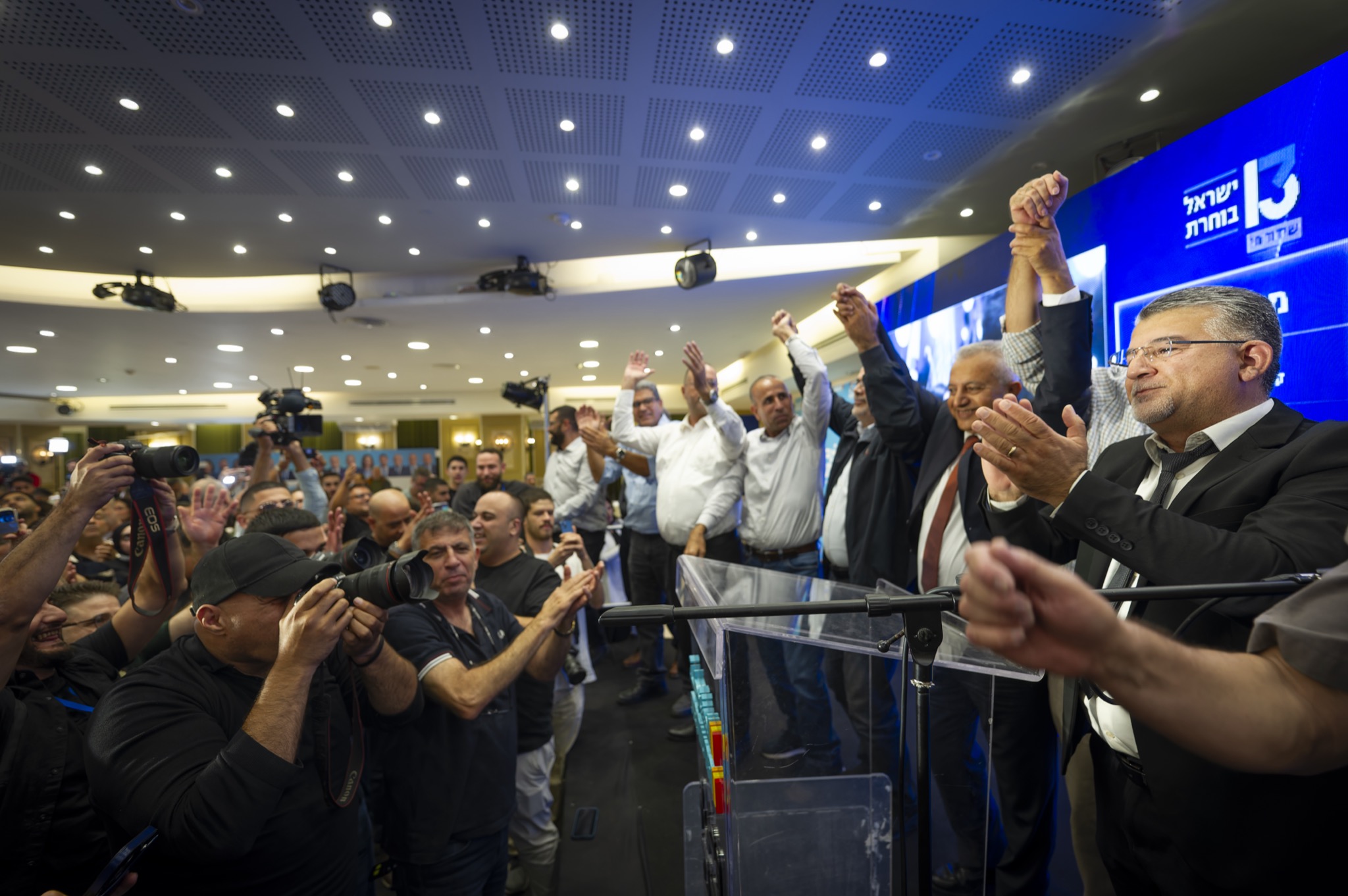
For Abu Shehadeh, the Joint List’s electoral achievement — winning more than half a million votes and 11 seats — alongside the eight seats won by the second Palestinian-led party, the United Arab List (Ra’am), reflects a profound shift in the Arab public’s political consciousness.
“Arab society felt that it mattered and that it had power,” he said. “[Palestinian-led parties] winning 19 seats [means that] Netanyahu cannot form a government. Period. And this comes after three years of a terrifying sense of helplessness [among] Palestinians, the Arab world, and the international community.
“No one in the world managed to impact this government of extermination except us, the Palestinian citizens,” he continued. “We stopped them from [retaking power]. I think some people still haven’t grasped the magnitude of what happened.”
Unity above all
Abu Shehadeh withdrew from the race on Oct. 2, after Supreme Court President Yitzhak Amit indicated that a majority of the justices would support the Central Elections Committee’s decision to disqualify him, and suggested that he withdraw voluntarily.
Abu Shehadeh rejected allegations by members of the Central Elections Committee, the Attorney General, and some Supreme Court justices that the article he wrote on Oct. 8, 2023, expressed support for armed struggle against Israel. Nevertheless, he agreed to withdraw.
The Haifa-based legal center Adalah, which represented Abu Shehadeh, explained that his decision was intended to avoid setting a legal precedent that could undermine Palestinian political participation. The proceedings were subsequently dismissed without the court ruling on his disqualification.
Abu Shehadeh’s handling of the affair drew criticism from many within the Arab public, with some accusing him of having “humiliated himself” by apologizing for the article during the Supreme Court hearing.
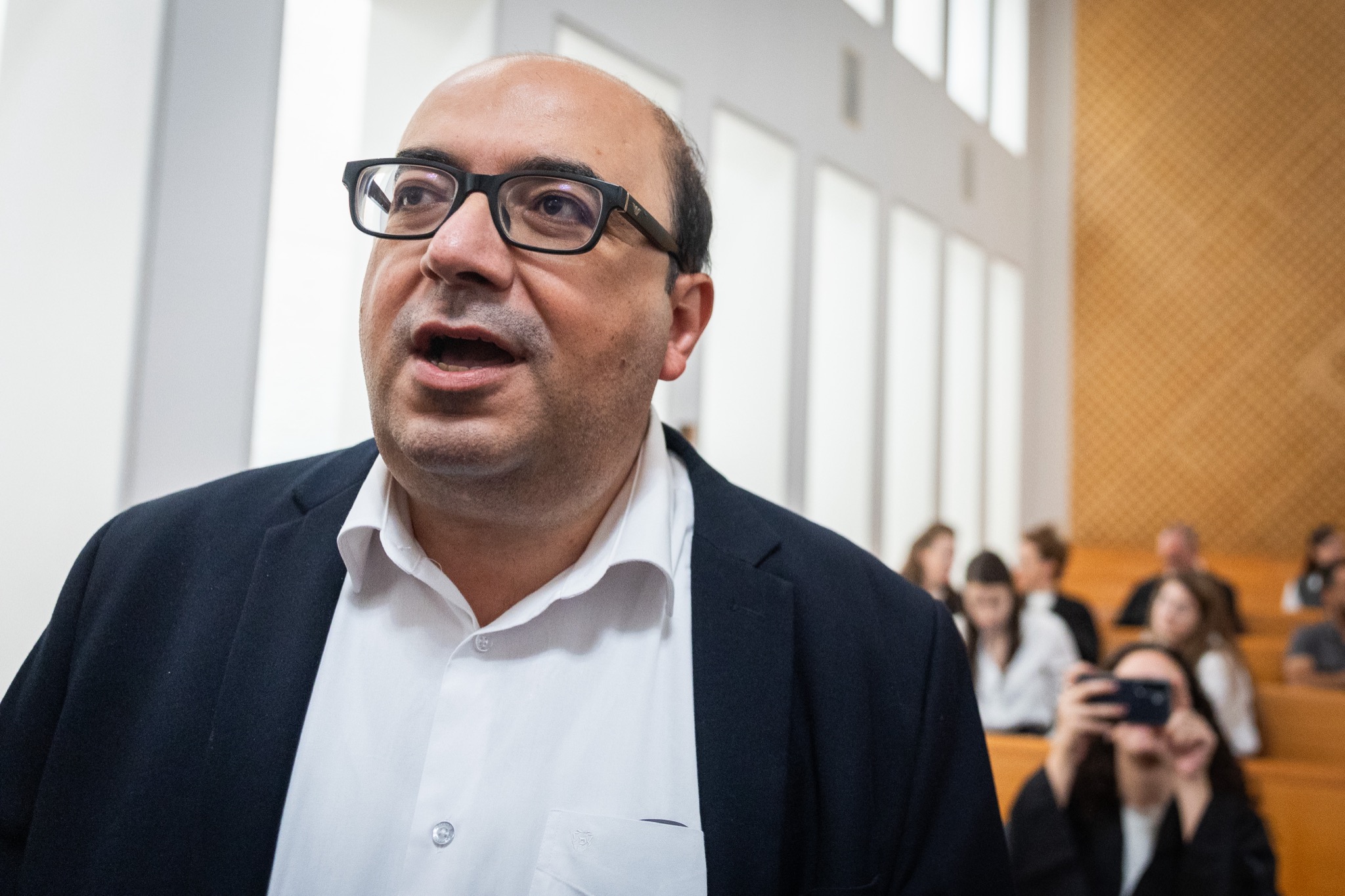
“I wasn’t satisfied with how I handled the disqualification case — not politically, not in the media, and not legally,” Abu Shehadeh said. “I wanted something different. But I said we would leave these matters until after the election, because I saw that we had dropped two seats in the polls.
“I went out and worked like any other candidate. I said we would examine everything afterward: Right now, there’s an election.”
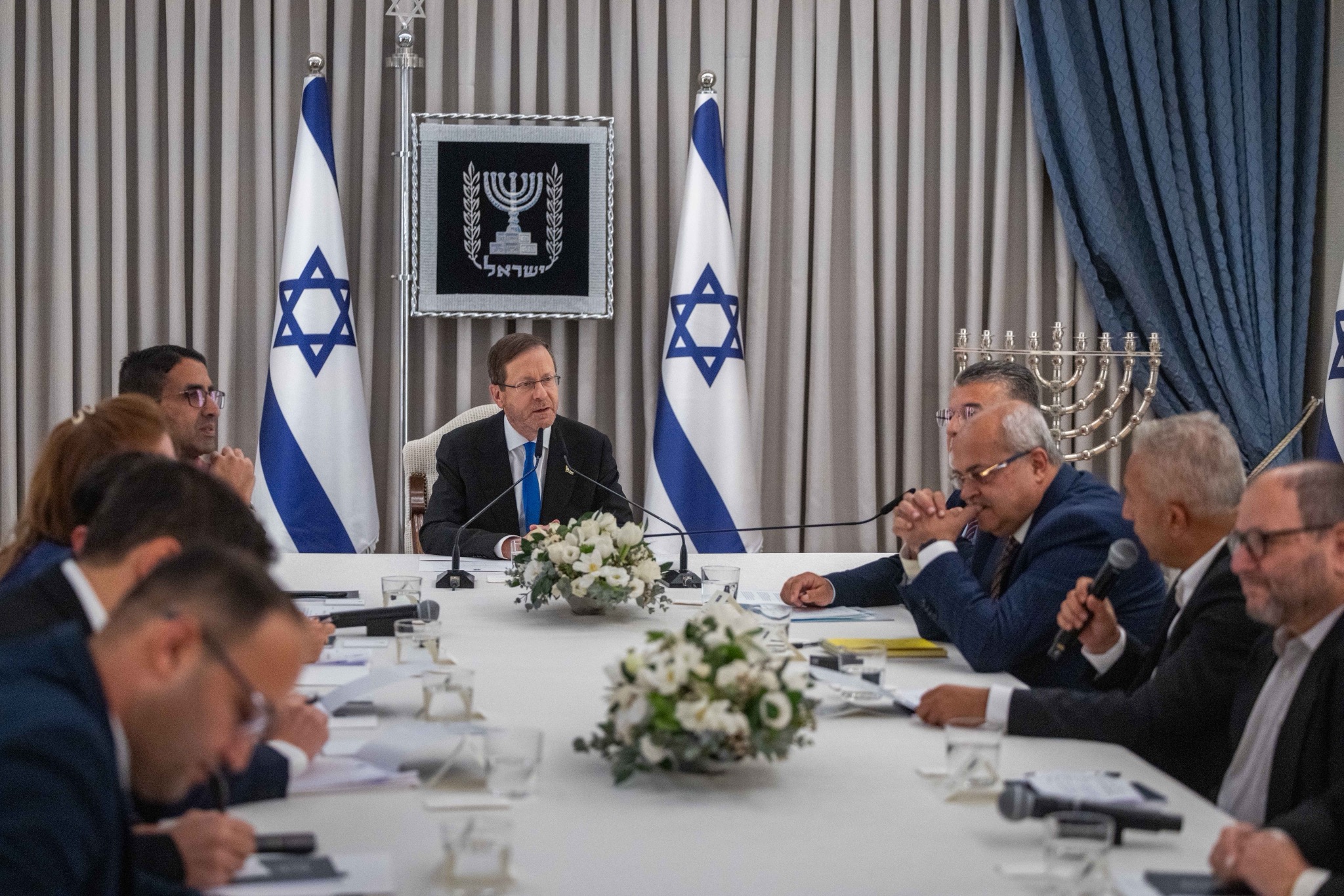
That determination to preserve unity within the Palestinian political arena also helps explain another, far from obvious decision: All 11 Joint List lawmakers, including Balad representatives, formally recommended to Israel’s president that Gadi Eisenkot be tasked with forming the next government.
In September 2019, Balad’s three lawmakers initially joined the rest of the Joint List in recommending Benny Gantz for prime minister, only to withdraw their recommendation. In 2020, Balad lawmakers again said they would oppose recommending Gantz, but ultimately did so, citing their commitment to the Joint List.
That decision sparked a bitter internal debate within Balad. This time, however, no public dissent emerged over the recommendation.
“No one thinks [Eisenkot] is a good candidate,” Abu Shehadeh said. “But everyone understands that we are at a unique historical moment. People voted for us to get rid of the government of extermination. We don’t have any easy options.”
According to Abu Shehadeh, Balad’s central committee debated the question, with the need to preserve the Joint List’s unity ultimately prevailing. “After the Joint List received more than half a million votes, its unity was what shaped the discussion. In the end, we agreed to move forward [with the recommendation] unanimously,” he explained.
But Balad’s decision to back Eisenkot should not be mistaken for an endorsement of his politics. “Getting rid of Netanyahu does not mean that Eisenkot is the long-awaited messiah,” Abu Shehadeh said. “The problem is not just Netanyahu as an individual. The problem is Netanyahu’s policies. The problem is racism. This government may be replaced, but the challenges will remain.”
The winners who won’t win
Abu Shehadeh sums up the post-election situation in one sentence: “The loser refuses to admit he lost, and the winner refuses to admit he won.” Netanyahu, he explained, is in denial about losing his majority in the Knesset, but the camp seeking to unseat him can’t acknowledge victory because that would mean accepting the support of Arab parties.
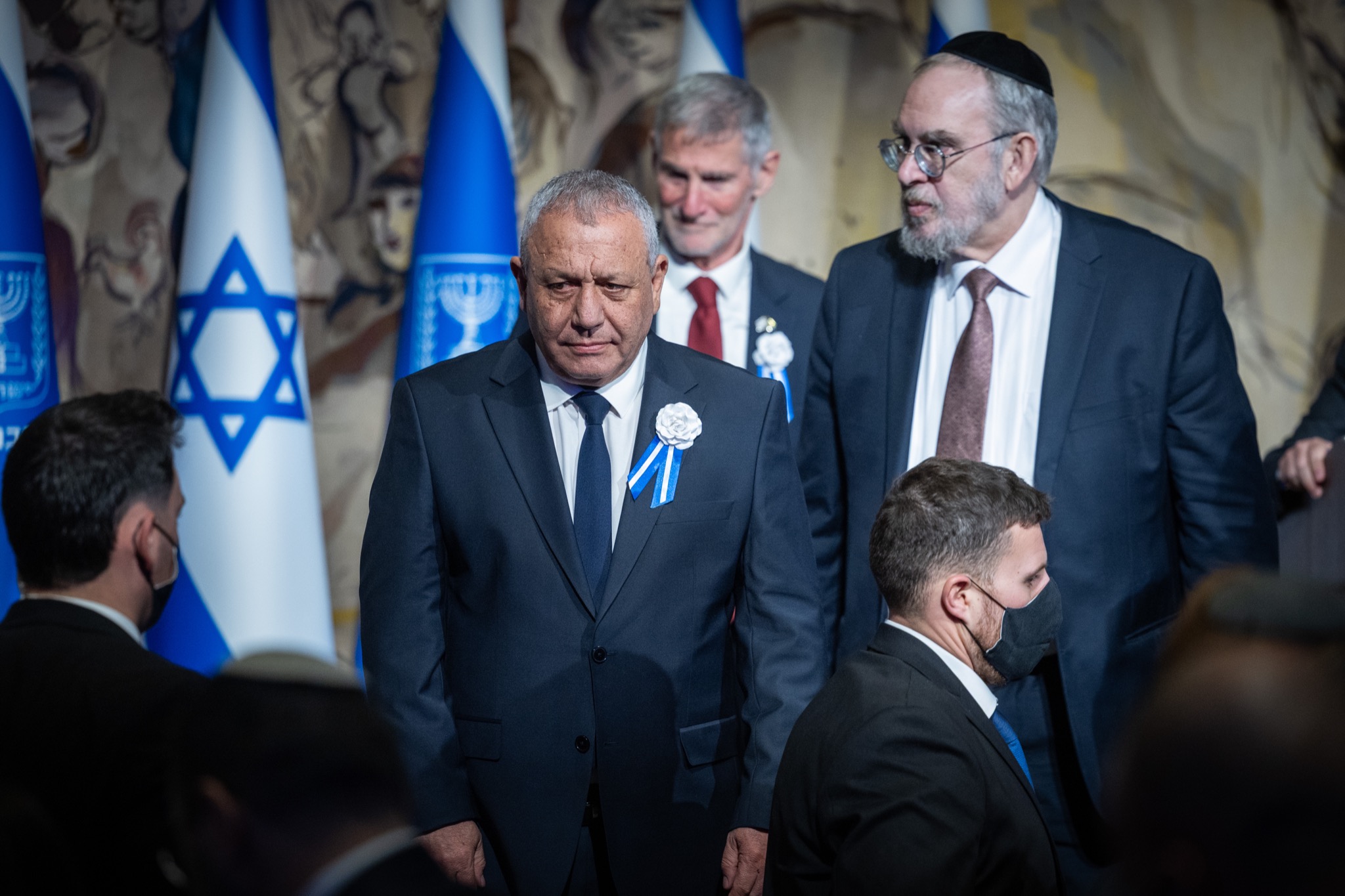
The problem, Abu Shehadeh said, is not merely that the right refuses to recognize the legitimacy of the Arab vote, but that “Eisenkot, too, treats Arab society’s historic achievement as though it were illegitimate or unacceptable.”
His criticism extends to President Isaac Herzog. “Why does the president come out and say that there is no clear outcome? And why does Eisenkot adopt this kind of rhetoric? This is racism. There is no other explanation.”
In Abu Shehadeh’s view, describing the election result as “inconclusive” disregards Arab votes and exposes the deeply entrenched racism within the so-called “change bloc.” Where Jewish opposition parties once spoke of the need for a “Jewish majority” to form a government, they now insist on a “Zionist majority.” To Abu Shehadeh, the distinction is meaningless.
Nor does he see any meaningful difference between the two political camps in this respect: Both exclude Palestinian citizens from the political equation. Their votes are counted, but when it comes to forming a government, they are treated as though they do not exist.
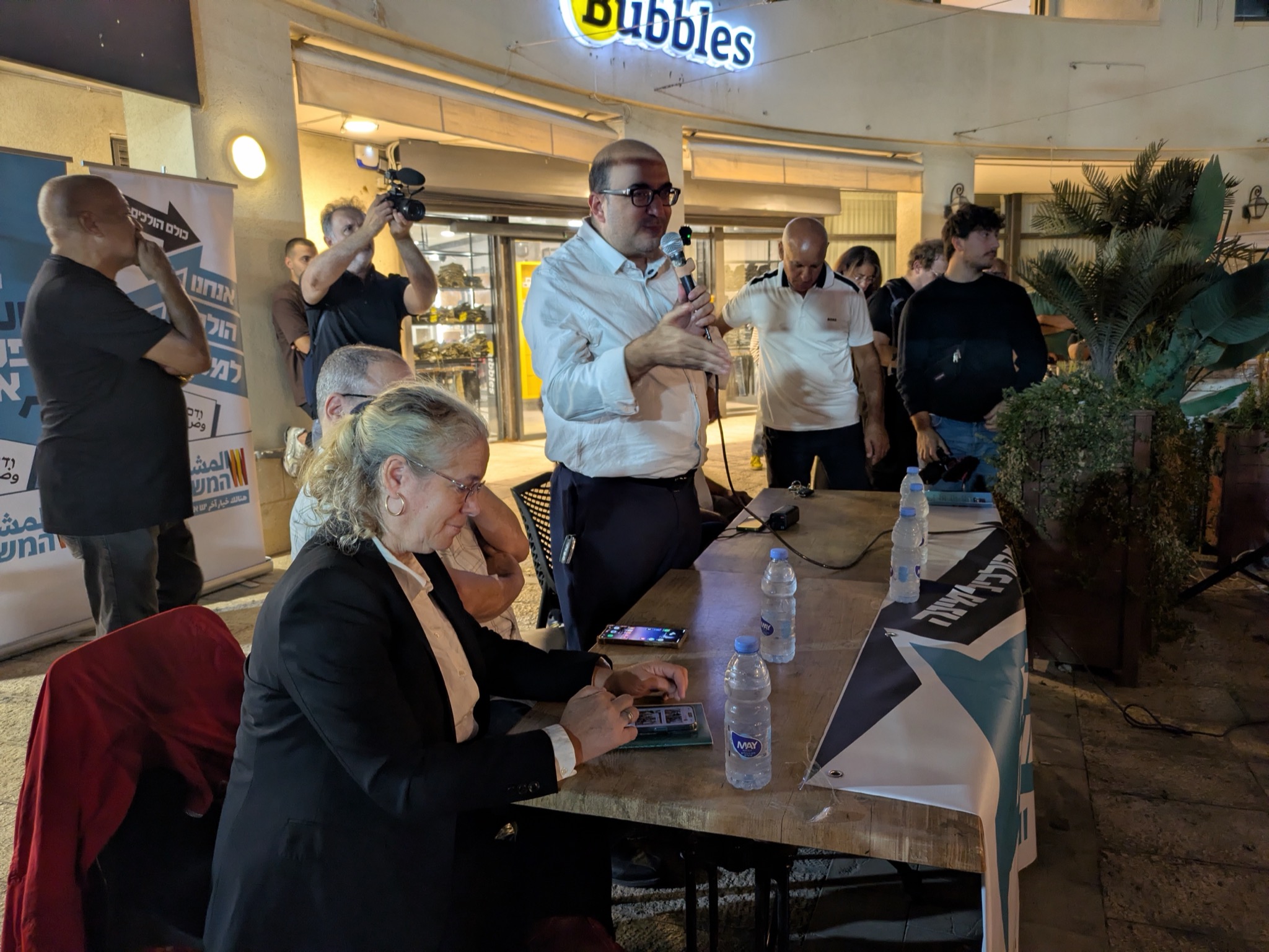
Abu Shehadeh also fears that the election results will fuel further incitement against Palestinian citizens of Israel. He points to a recent video in which Netanyahu warned against “forming a government with those who want to destroy the State of Israel and establish the State of Palestine on its ruins,” calling it “the most dangerous video I’ve seen in recent years. This is murderous incitement.”
Despite Eisenkot’s reluctance to acknowledge his electoral victory, Abu Shehadeh believes he may still succeed in forming a government. And with Eisenkot’s camp having already secured the election of a new Knesset speaker, Abu Shehadeh expects it to begin shaping the Knesset’s agenda even before a government is formed.
Eisenkot may also manage to bring ultra-Orthodox parties into his coalition, which have traditionally aligned with Netanyahu. Even then, Abu Shehadeh argues, Eisenkot would have an interest in maintaining ties with the Arab parties, so that in the event of a crisis he would not be dependent on a single coalition partner.
But he warns that even an Eisenkot-led government would not put an end to the right’s attacks on Palestinian citizens. “Netanyahu will try to undermine the government’s legitimacy by claiming that it relies on Arab votes, or that the elections in Arab society were rigged.”
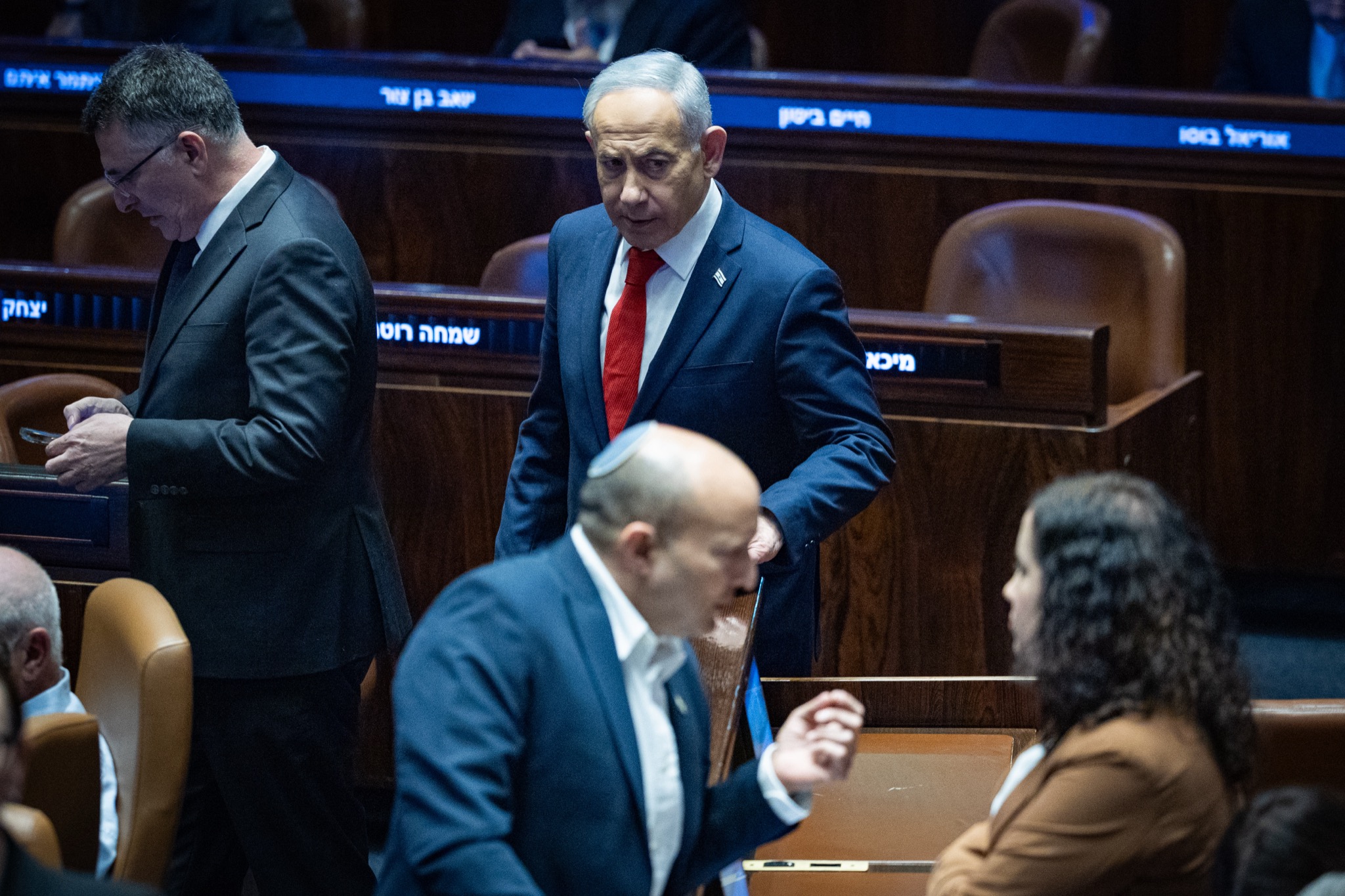
Within the Joint List, Abu Shehadeh’s withdrawal has also left unresolved the question of seat rotation among lawmakers. Balad currently holds three of the Joint List’s 11 seats, but according to Abu Shehadeh, the agreement between the constituent parties allocated Balad four — a commitment he insists remains binding despite his withdrawal.
“There is a signed agreement. The seat belongs to the party, not to an individual,” he explained. “If the Knesset continues and the term runs its course, we’ll discuss the matter. If we find ourselves facing another election after a short time, that’s a different story.”
Seat rotation has been a source of bitter disputes within the Joint List before. Following Balad lawmaker Basel Ghattas’ resignation in 2017, the other parties refused to have their lawmakers step down to allow another Balad representative to take his place. The ensuing standoff dragged on, fueling tensions and mistrust. Similar disputes arose on subsequent occasions, when lawmakers delayed their resignations despite earlier rotation agreements.
The issue could once again trigger a crisis if lawmakers from the other parties within the Joint List refuse to make way for Balad’s fourth representative. For now, however, any discussion has been postponed until it becomes clear whether a government can be formed and whether the Knesset will survive beyond the coming months.
Most read on +972

As for his own political future, Abu Shehadeh refuses to commit to running in the next election. “Legally, I can, but I don’t know if I want to,” he said.
Whatever happens next, he believes this election has fundamentally changed Palestinian citizens’ sense of their political strength — a change he does not expect to be easily reversed. Even if the parties of Eisenkot’s “change bloc” refuse to rely on the support of Arab parties, triggering another election in the near future, Abu Shehadeh does not believe Arab voters will become disillusioned and stay home. On the contrary: “Now that Arab society has seen its true power, it will not give it up in the future.”
A version of this article was first published in Hebrew on Local Call. Read it here.