
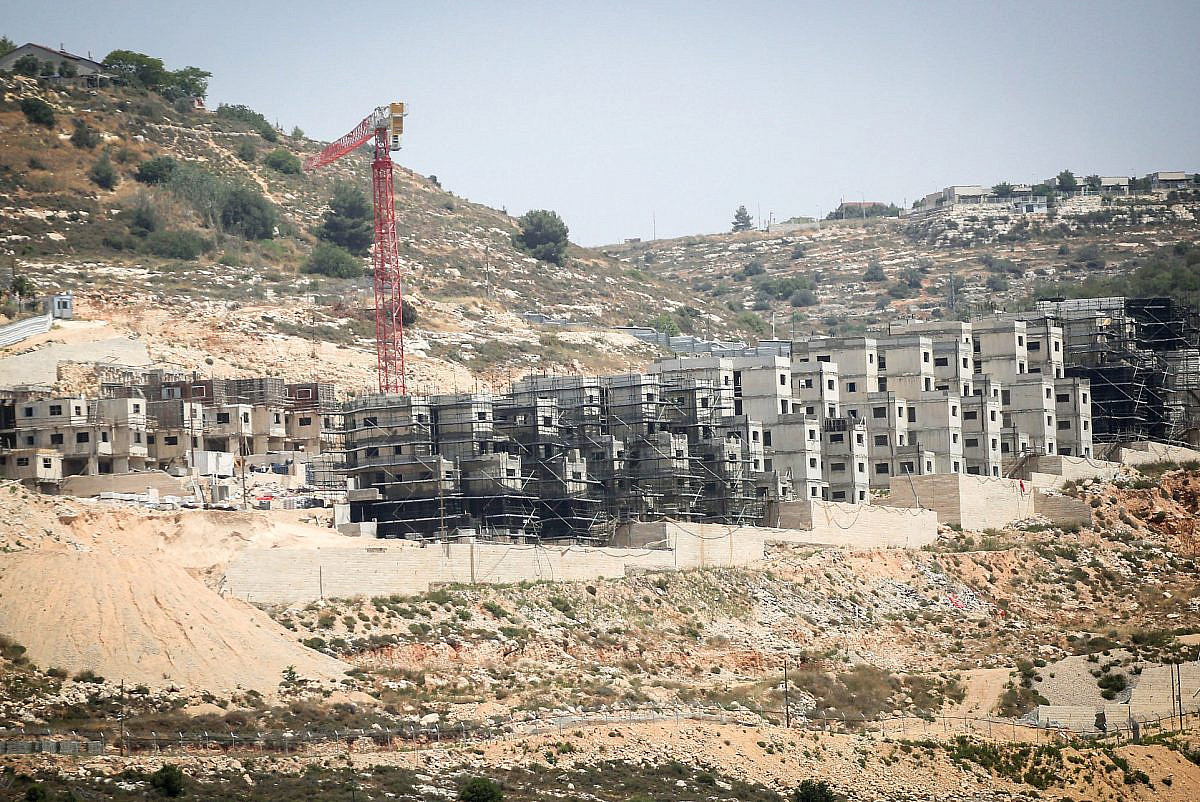
Britain’s decision last week to ban imports from illegal Israeli settlements signals a growing Western break with decades of empty rhetoric and inaction.
European governments have repeatedly condemned Israel’s settlements, warning that they were destroying the possibility of Palestinian statehood. They threatened consequences if long-standing red lines, such as the E1 settlement project east of Jerusalem, were crossed. Yet even as Israel blew past those lines, the threatened consequences never materialized.
The measures announced by British Foreign Secretary Ed Miliband are now catalyzing a long-overdue policy reset. And Britain is not alone.
France and Canada have committed to introducing their own settlement-import bans, building on steps already taken or under development by Spain, Ireland, the Netherlands, Norway, and Belgium. Denmark, Finland, Iceland, Poland, Portugal, and Sweden have also declared support for European restrictions or indicated that they are considering further national measures.
But the UK is going further than just banning settlement goods. It will also prohibit the advertising of settlement real estate, and sanction individuals and companies providing construction, infrastructure, financing, or other services that facilitate settlement expansion. In addition, the government will refuse licenses for arms and other exports that materially contribute to the occupation.
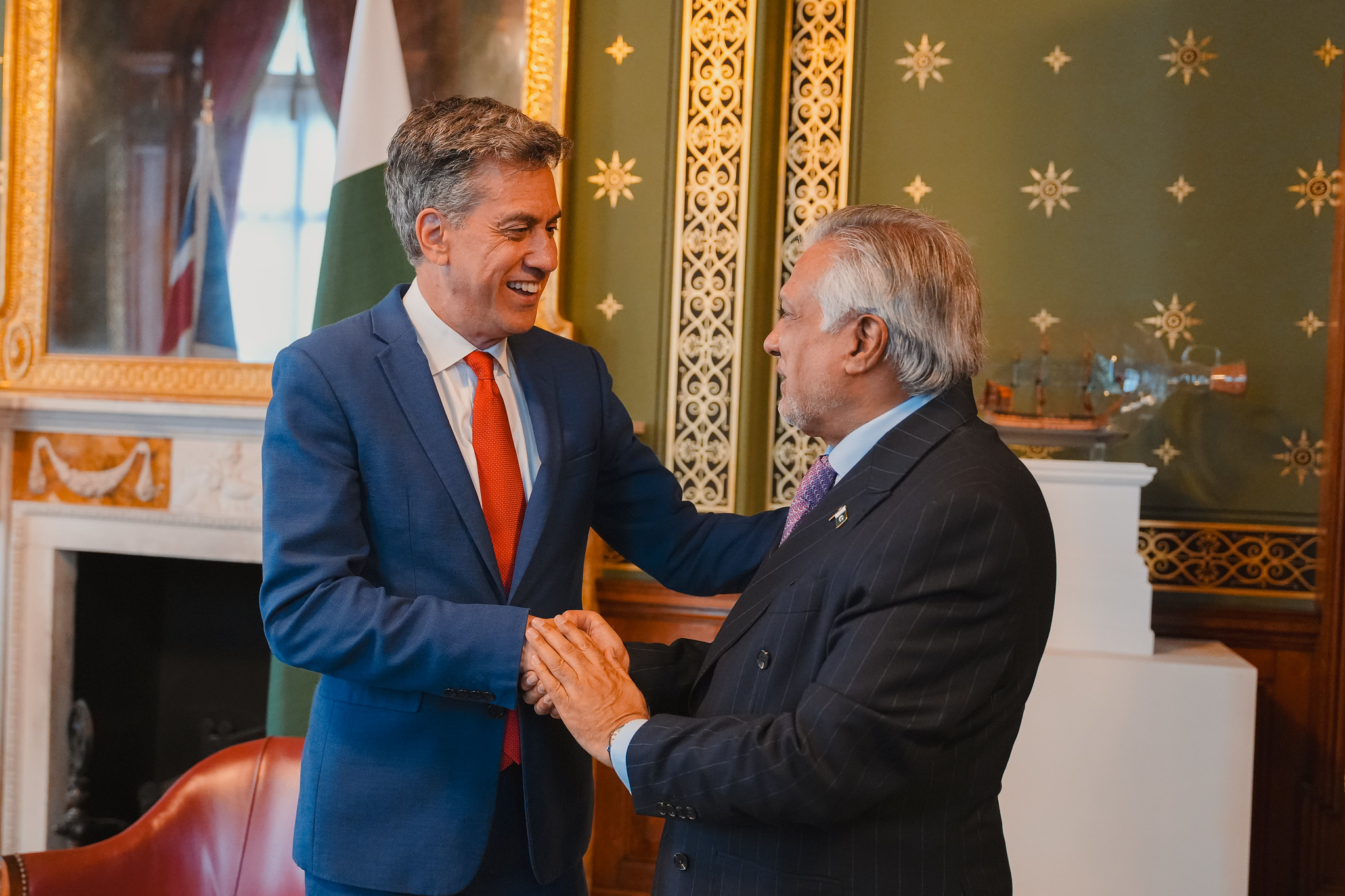
These are, of course, so far only planned actions. Full details must still be worked out before the legislation enters into force. The government has not addressed British charitable funding for Israel’s settlements or their continued inclusion in some bilateral agreements, such as Britain’s convention for the avoidance of double taxation with Israel. Nor is it yet clear whether the government will merely sanction selected settlement facilitators or prohibit settlement-related economic activity as a general rule.
Nevertheless, the package is the most far-reaching adopted by any Western country — targeting not only Israeli settlements in the West Bank but also in the occupied Golan Heights and East Jerusalem. Miliband’s subsequent refusal to rule out action against Israeli banks and the wider financial sector suggests that the government understands the scale of what may be required.
The most important part of Miliband’s statement, however, may not be the measures themselves, but the legal determinations accompanying them. The British government now considers that “settler terrorists” are carrying out ethnic cleansing in areas of the West Bank, often with the acquiescence or support of Israeli authorities.
More fundamentally, the government formally endorsed the International Court of Justice’s 2024 conclusion that Israel’s continued presence in the occupied Palestinian territory is unlawful and should be brought to an end “as rapidly as possible.” As Miliband told parliament, this “unlawfulness … should be reflected in the economic relationships we choose to have with the occupied territories.”
The government’s language echoes the ICJ’s own view that states are required “to prevent trade or investment relations that assist in the maintenance of the illegal situation created by Israel in the occupied Palestinian territory.” It is also rooted in UN Security Council Resolution 2334, which calls on states to distinguish, in their relevant dealings, between Israel and the Palestinian territories it has occupied since 1967.
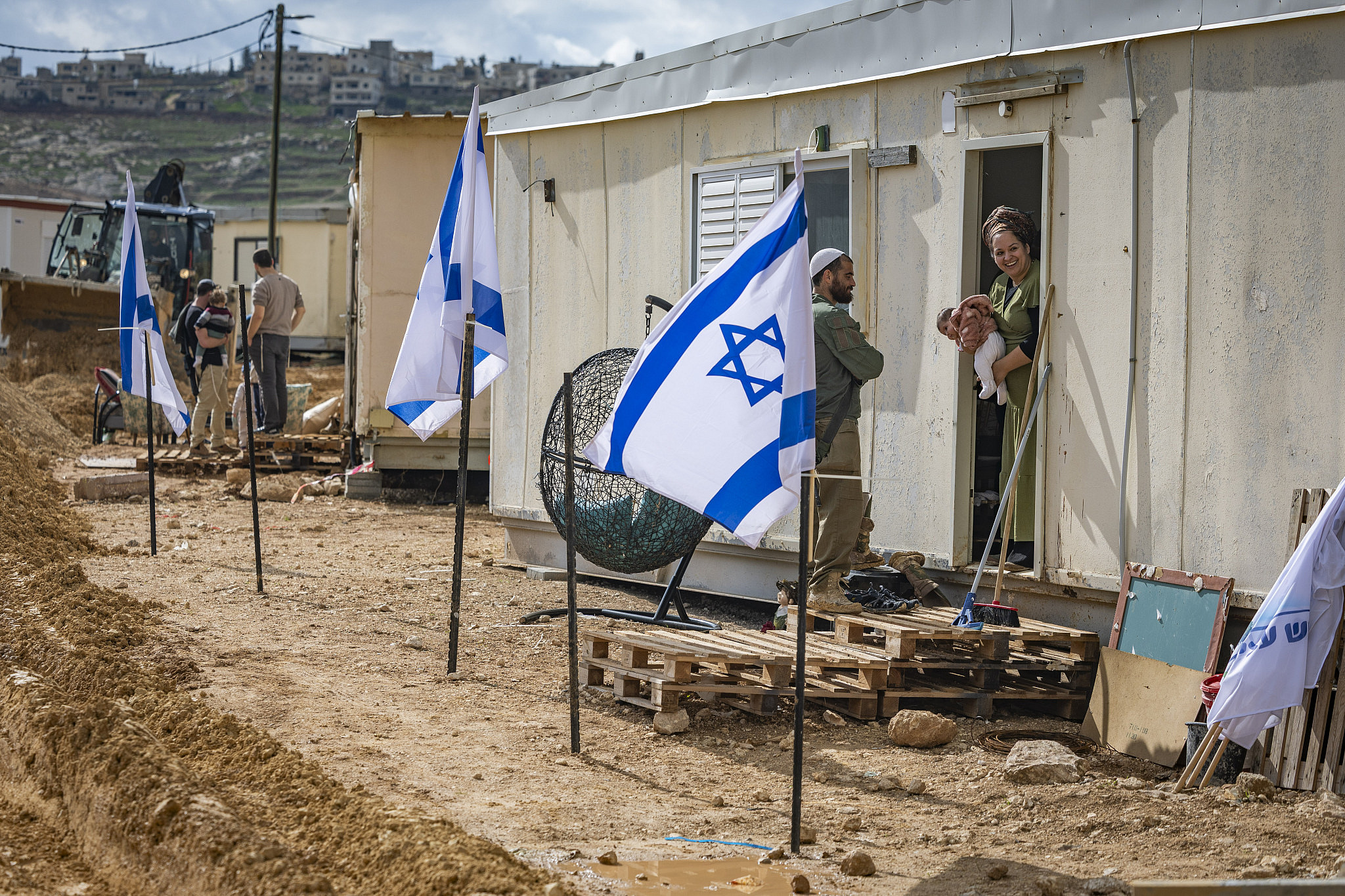
For the past decade, Europe’s differentiation policy has largely meant excluding Israeli settlements from new agreements with Israel, denying settlement products preferential tariffs, and requiring them to be correctly labelled. The UK is now going further by systematizing this territorial distinction across the full range of its economic and regulatory relations. The ultimate aim should be to ensure that no part of its bilateral relations with Israel recognizes, facilitates, or financially sustains Israel’s unlawful actions.
Precedent to follow
The political and economic weight of like-minded European countries, working with Canada and other partners, could now play a unique role in catalyzing broader measures.
Coordinated restrictions would reduce the opportunities for settlement-linked commerce to be rerouted through other jurisdictions. National differentiation measures would also create important precedents that other governments could adopt around the world, while increasing pressure on the European Commission to introduce an EU-wide ban on trade and services.
Of course, international action may face opposition from the United States, especially in the UN Security Council where it regularly vetoes criticism of Israel. This should not, however, mean international paralysis, and there is precedent here that can be followed: During the decades preceding Namibian independence in 1990, repeated Security Council deadlock and South Africa’s refusal to end its apartheid rule over the territory prompted the General Assembly to act.
Working through the UN Council for Namibia, the General Assembly sought to protect the Namibian people’s rights by challenging corporations involved in the illegal exploitation of the country’s natural resources, including through legal action. It also promoted non-recognition of South Africa’s administration there — a duty affirmed by the ICJ’s 1971 Advisory Opinion, which ruled that South Africa’s presence there was illegal — by issuing Namibian travel documents and ID cards.

Britain and its partners should similarly use the General Assembly’s long-running emergency special session on Palestine, convened for the first time in 1997 in response to deadlock in the Security Council. Drawing on its past practice, the General Assembly could establish an ad hoc working group to develop and promote coordinated measures by member states against Israel’s occupation.
The existing UN Register of Damage, whose mandate is currently limited to harm caused by Israel’s West Bank separation wall, could also be expanded to document losses caused by settlement expansion as the basis for future Palestinian reparations.
Challenging impunity
Differentiation, however, cannot become a means of shielding Israel itself from consequences. Focusing on the settlement enterprise is a necessary starting point given the immediate harm it is causing to Palestinians. But it is not a rogue venture conducted by a few violent extremists. The settlement project is planned, financed, and protected by the Israeli state, and has been supported by successive Israeli governments. It is also largely backed by the Israeli public.
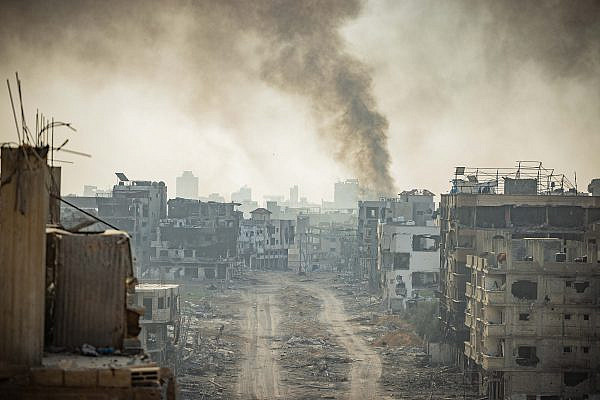
Europe cannot meaningfully oppose the occupation and settlement of Palestine while continuing to insulate the state and society that sustain these policies. Nor are Israel’s internationally unlawful actions confined to the West Bank. They extend most brutally to Gaza, where a growing body of UN experts, human rights organizations, and genocide scholars has concluded that Israel is committing genocide.
Severing the international financial linkages sustaining the settlement project could significantly constrain Israel’s annexation of Palestinian territory. But this will not, by itself, alter the attitudes of an Israeli public that has experienced few external costs for supporting the occupation and is largely opposed to Palestinian statehood.
Europe and its partners must therefore be prepared to impose costs on their broader relations with Israel — including, in the case of the European Union, by withdrawing the preferential tariffs granted to Israeli products under the EU-Israel Association Agreement.
Most read on +972
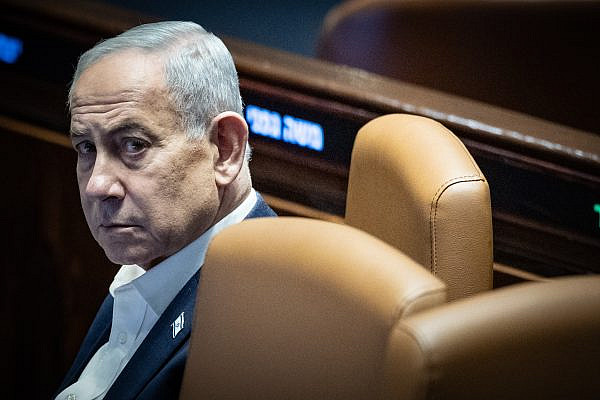

Israel has already defied the UN General Assembly’s September 2024 demand that it end its unlawful presence in the occupied Palestinian territory within 12 months. The UK and its partners should now develop a timebound, sequenced roadmap for doing so, with clear milestones. Israel’s continued non-compliance could trigger progressively wider political, financial, and trade measures, backed by the General Assembly and regional organizations such as the Arab League, the Organization of Islamic Cooperation, and the EU.
The value of this overall effort extends beyond the direct economic costs imposed on Israel and its settlements. It would demonstrate that states can give effect to international law even when the Security Council is blocked.
Britain’s immediate task is therefore to turn its opening gambit into a broader coalition of like-minded countries capable of acting collectively against the settlements — and, from there, to begin challenging the wider impunity that has enabled decades of Israeli aggression and occupation.