November 2, 2026
| View this email in your browser | ||
|
|
SUPPORT US | |
|
November 2, 2026
|
||
|
What’s at stake in Israel’s election? |
||
|
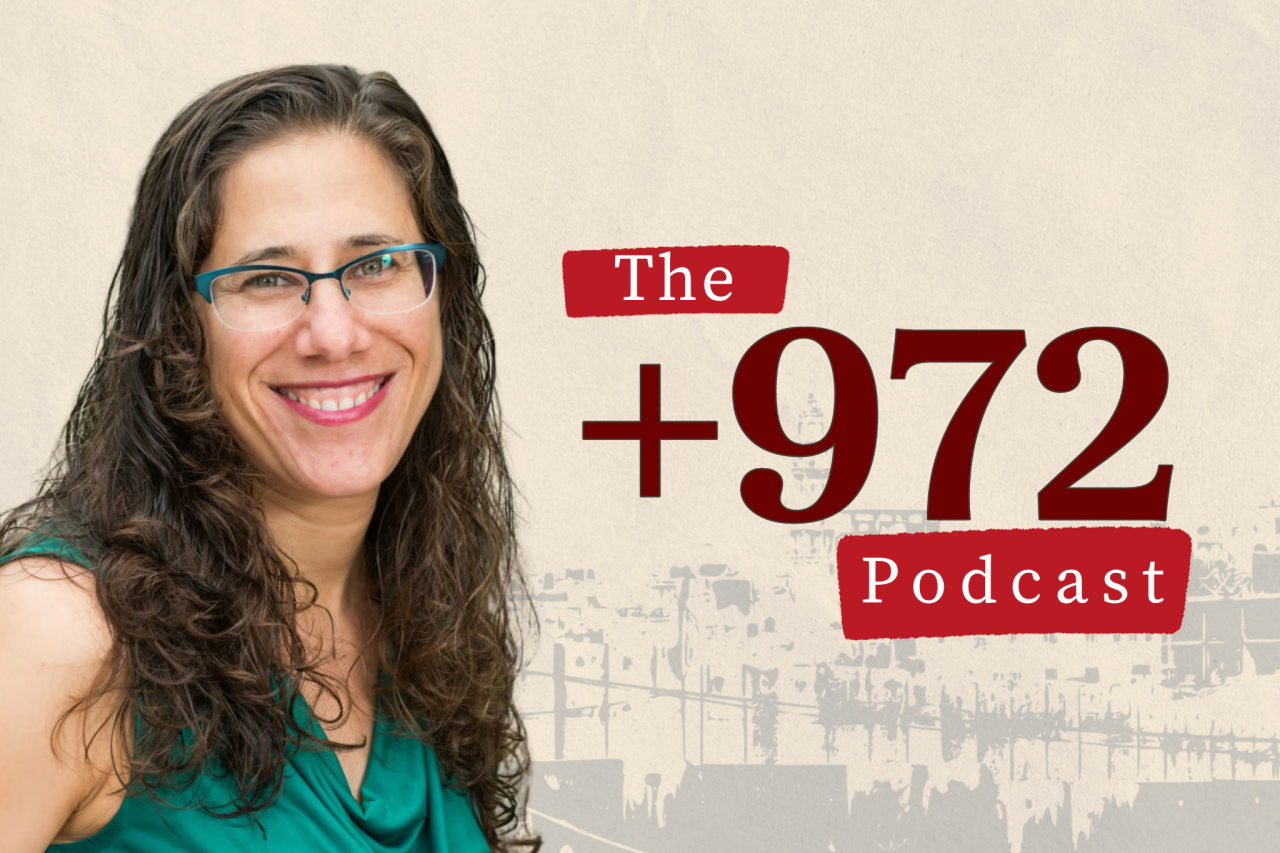
Welcome to +972’s Sunday Recap! As Netanyahu’s bloc adds more extremists to its ranks ahead of the election, his opponents are impeding their own path to power by refusing to work with the Joint List and the Islamist party Ra’am — the two Arab lists standing in the race. Ben Reiff cuts through the electoral noise with this comprehensive primer ahead of Tuesday’s vote. On the campaign trail, opposition leader Gadi Eisenkot has been trying to outflank Prime Minister Benjamin Netanyahu on the right. Amos Brison explained why this is a failed strategy: The more Eisenkot adopts hawkish positions, the harder it is to explain what alternative he offers — and he’s not the first to make that mistake. Far-right minister Bezalel Smotrich may lose power in the election, but for Avi-ram Tzoreff, he still defines the horizon of Israeli politics. In the nine years since the MK’s ‘Decisive Plan,’ Israeli liberals acceded to the religious right’s maximalism — while claiming to oppose ‘messianic’ violence (originally published in Local Call). One thing Israel’s election won’t change, Areej Sabbagh-Khoury argued, is the renewed reality of political apartheid. The disqualification of Balad leader Sami Abu Shehadeh sends a clear message: Jewish-majority state institutions will now determine who can represent Palestinian citizens. Himmat Zoubi argued that Jewish Israelis must do more than just stand together with Palestinians. Beyond creating spaces for joint action, meaningful partnership requires challenging Jewish supremacy and strengthening Palestinian political power. And on the latest episode of the +972 Podcast, Dikla Taylor-Sheinman spoke with historian Leena Dallasheh about what’s at stake for Palestinian citizens in Israel’s election — while also discussing the echoes of military rule in today’s crackdown on Palestinian dissent, and the struggle for a more substantive form of citizenship. *** We are in an extraordinarily dangerous era in Israel-Palestine, one defined by genocide, apartheid, and Jewish supremacy from the river to the sea. It has never been more vital for our journalists, led by Palestinians and Israelis, to report on and analyze what is happening on the ground and beyond, guided by humanism, equality, and justice. +972 Magazine is proof that an alternative is possible — and we need your support to increase our impact. Join us. |

|


|
|
| PHOTOS, IN ORDER OF APPEARANCE: | ||
|
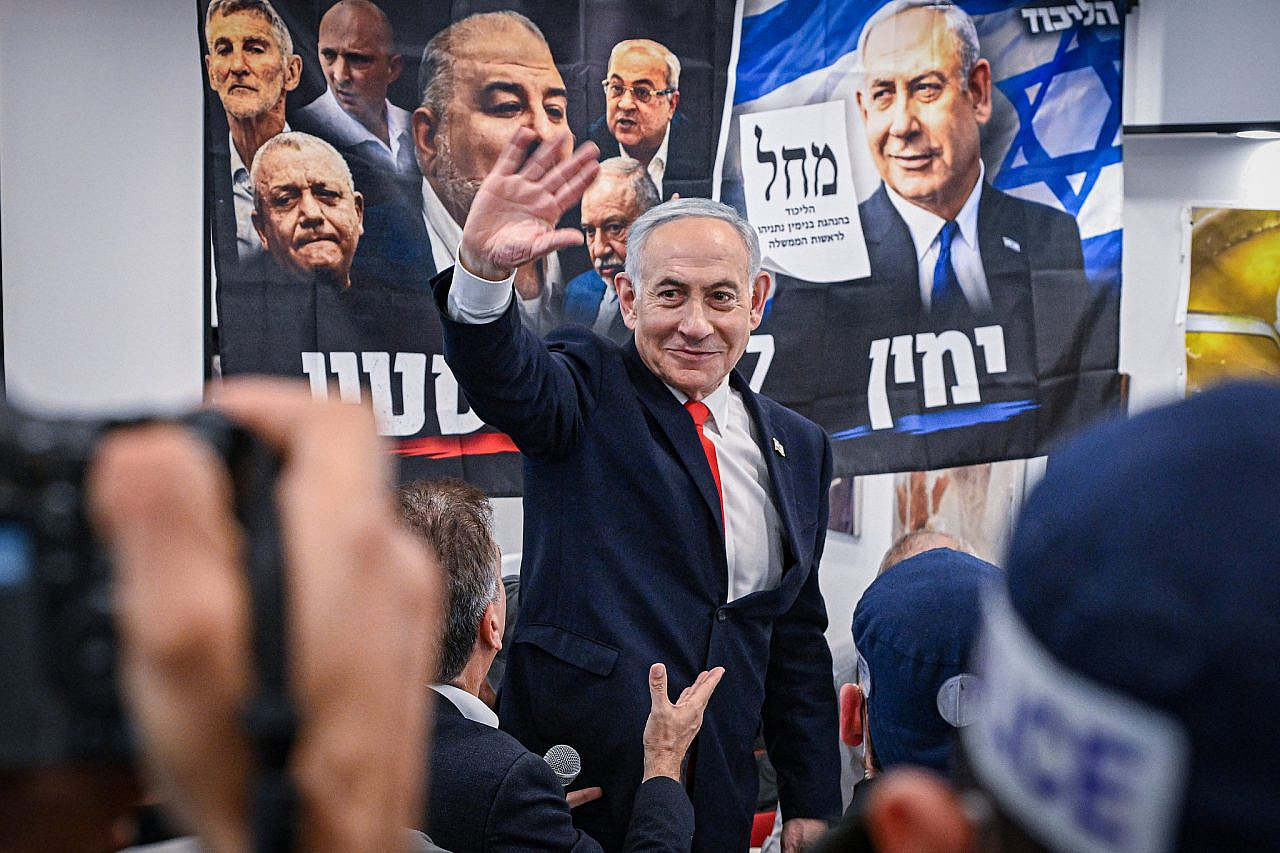
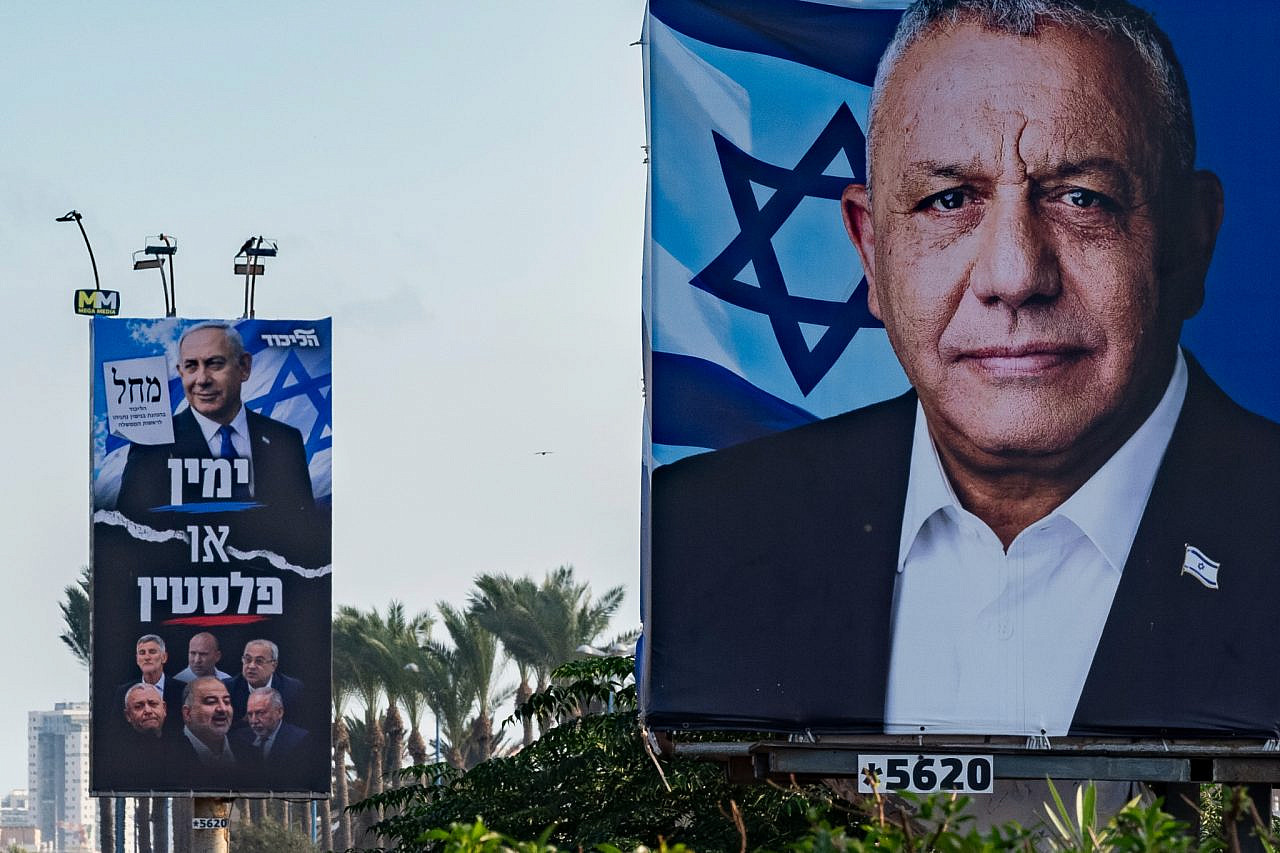
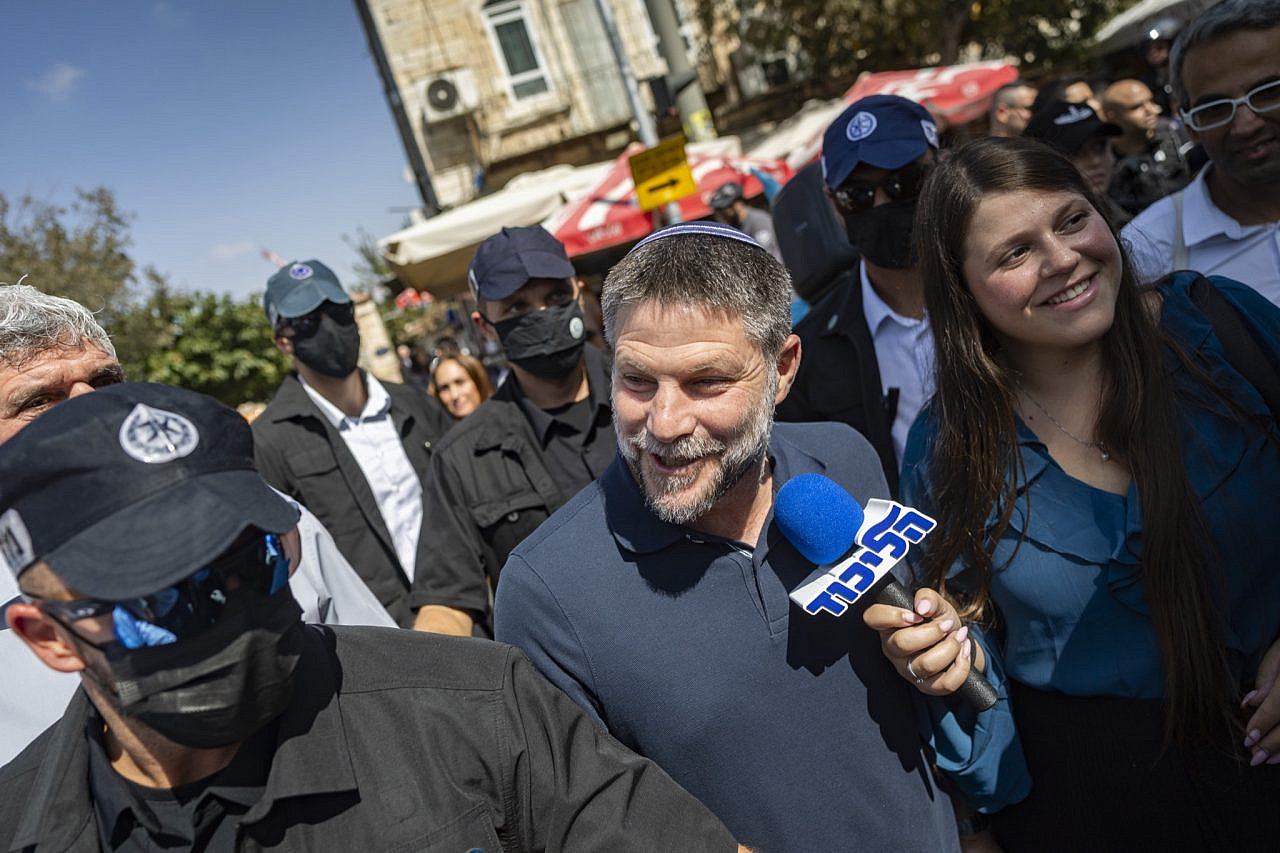
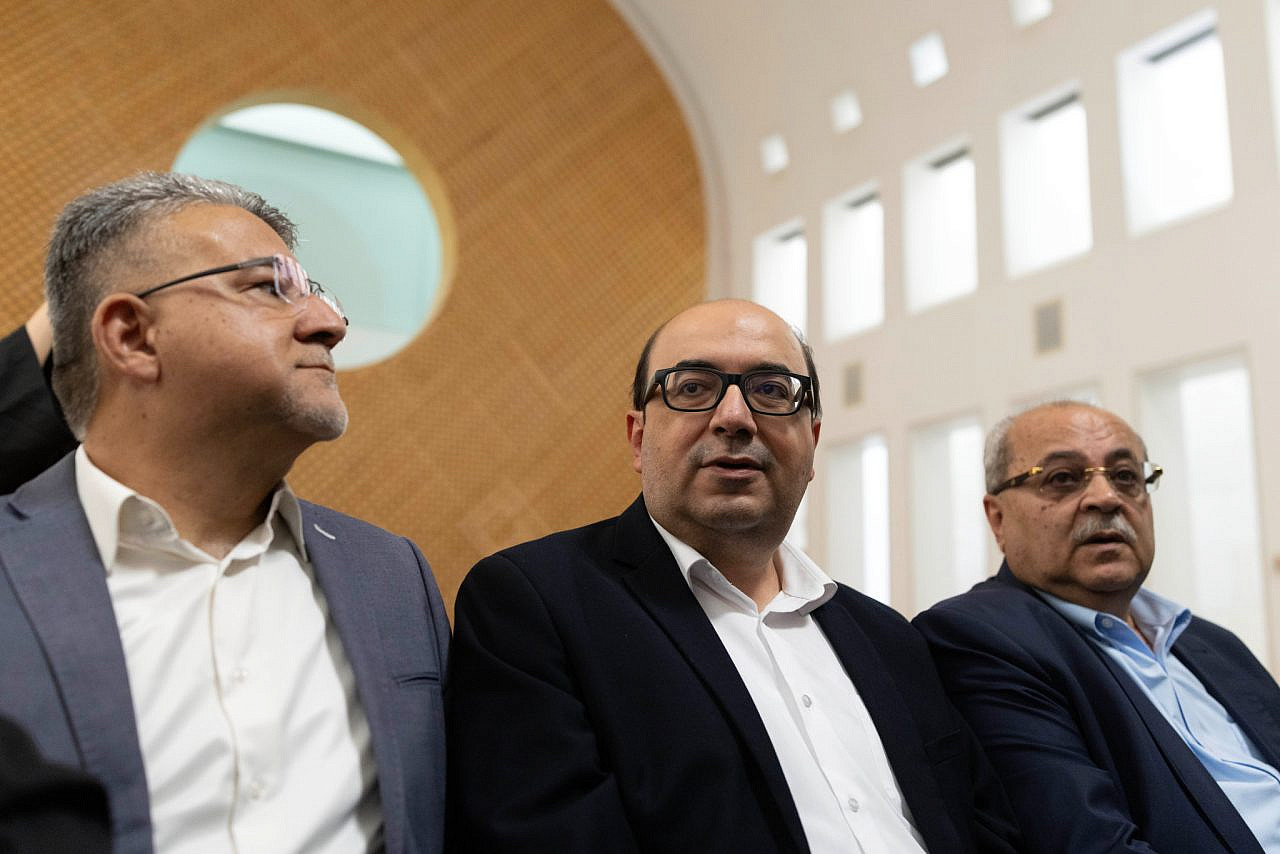
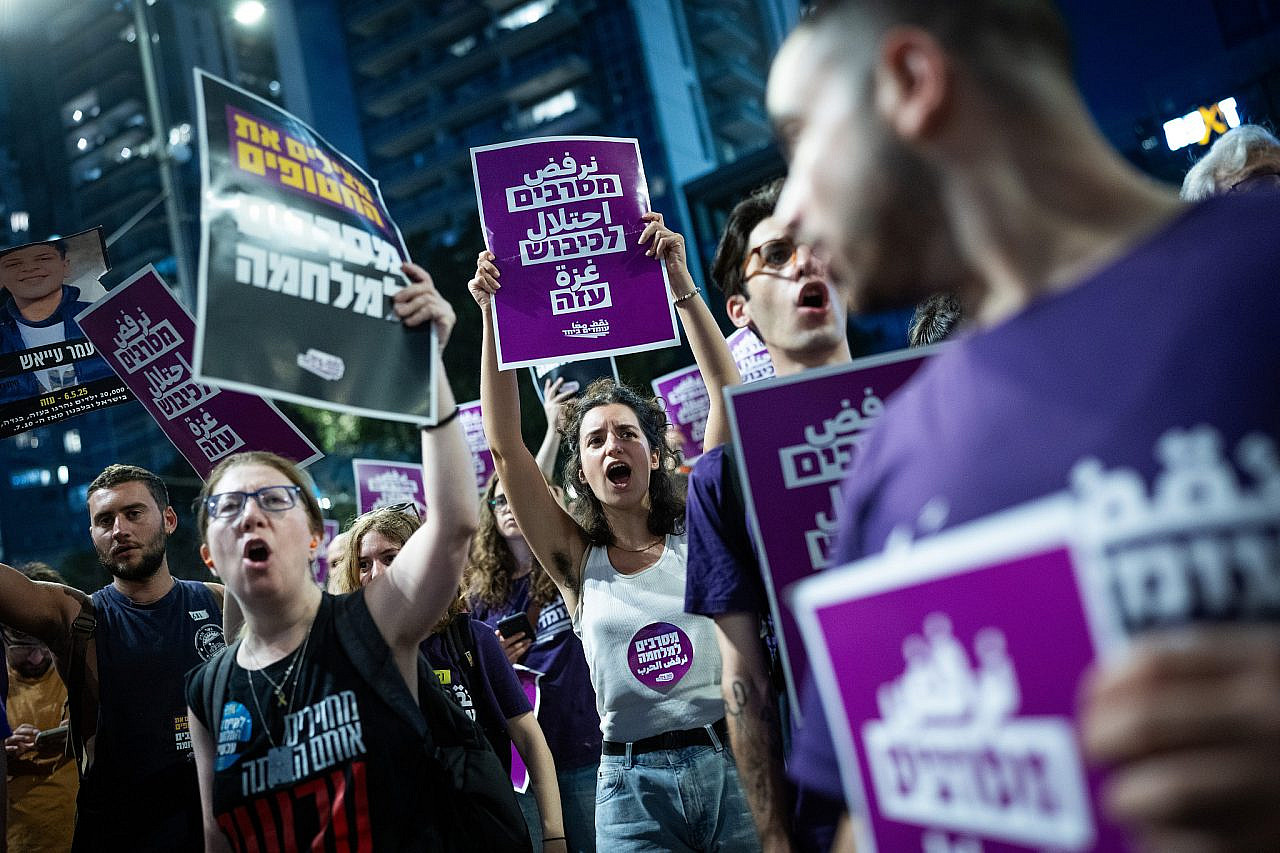
Israeli Prime Minister Benjamin Netanyahu visits the Hatikva Market in Tel Aviv as part of the Likud party’s election campaign, October 22, 2026 (Avshalom Sassoni/Flash90), Election campaign billboards featuring Yashar party chairman Gadi Eisenkot and Likud party chairman and Israeli Prime Minister Benjamin Netanyahu alongside opposition leaders, displayed on a road in the northern Israeli city of Haifa, October 17, 2026 (Sharon Leibel/Flash90), Finance Minister and Religious Zionist Party chairman Bezalel Smotrich tours the Mahane Yehuda Market as part of the party’s election campaign, in Jerusalem, October 9, 2026 (Chaim Goldberg/Flash90), Balad chairman Sami Abu Shehadeh, surrounded by MK Ahmad Tibi and Joint List chairman Yousef Jabareen, at the Supreme Court in Jerusalem for a hearing on the Central Elections Committee’s decision to disqualify candidates and parties from running in the upcoming Knesset elections, October 1, 2026 (Oren Ziv), People gather at Hostage Square in Tel Aviv during a rally calling for the release of the hostages held in Gaza, August 17, 2025 (Erik Marmor/Flash90), Leena Dallasheh (Courtesy).
|
||
| About | Privacy Policy | Unsubscribe | ||
| +972 Magazine is an independent, non-profit media initiative, supported largely by our readers. | ||
| © 2026 +972 Magazine. All Rights Reserved. | ||